    Ingredient Profile

    Chinese magnolia fragrance note

    Chinese magnolia delivers a crisp, white‑flower aroma tinged with citrus, offering perfumers a fresh, radiant lift that bridges classic bloo…More

    China

    1

    Fragrances

    Fragrances featuring Chinese magnolia

    Character

    The Story of Chinese magnolia

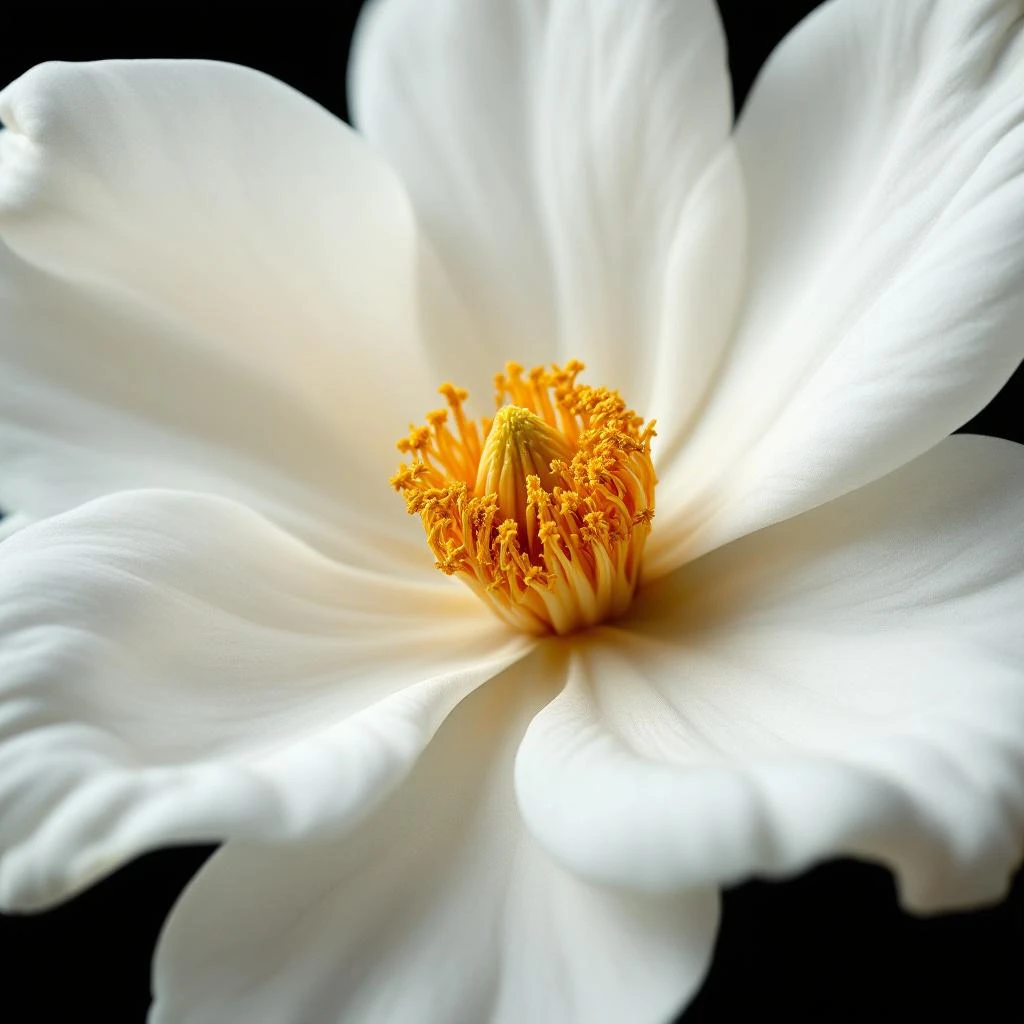
    Chinese magnolia delivers a crisp, white‑flower aroma tinged with citrus, offering perfumers a fresh, radiant lift that bridges classic bloom and bright fruit.

    Heritage

    Chinese magnolia has rooted itself in East Asian culture for centuries. Ancient Chinese texts describe the flower as a symbol of purity and feminine grace, and court poets praised its fleeting scent. By the late 1800s, traders introduced the blossom to Europe, where it inspired early floral perfumes. In the 1930s, French houses experimented with synthetic replicas after natural oil proved scarce. The post‑war era saw a resurgence of natural extraction as Chinese growers refined CO2 techniques, making authentic Chinese magnolia oil viable for modern compositions. Today, the note appears in niche fragrances that seek a bridge between classic elegance and contemporary brightness.

    At a Glance

    Fragrances

    1

    Feature this note

    Origin

    China

    Primary source region

    Ingredient Details

    Extraction

    Supercritical CO2 extraction

    Used Parts

    Flower petals

    Did You Know

    "The white champaca variety, Michelia alba, produces a flower that opens for only a few hours each morning, yet its scent can fill an entire garden for days."

    Production

    How Chinese magnolia Is Made

    Farmers in Guangxi and Fujian cultivate Michelia alba on terraced slopes. Harvest crews collect blossoms at dawn, when petals hold peak fragrance. Workers sort buds by size, then freeze them to lock volatile compounds. Technicians grind frozen petals into a fine paste and feed it into a supercritical CO2 extractor. The extractor runs at 80 °C and 150 bar, pulling a clear, amber‑tinged oil from the plant matrix. After extraction, the oil passes through a chilled separator that removes waxes and pigments, leaving a pure, fruity‑floral distillate. The final product stores in amber glass to protect it from light and oxidation. Throughout the process, quality labs test each batch for linalool and citral levels, ensuring consistency for perfumers worldwide.

    Provenance

    China

    China23.7°N, 108.6°E

    About Chinese magnolia