Character
The Story of Chinese iris concrete
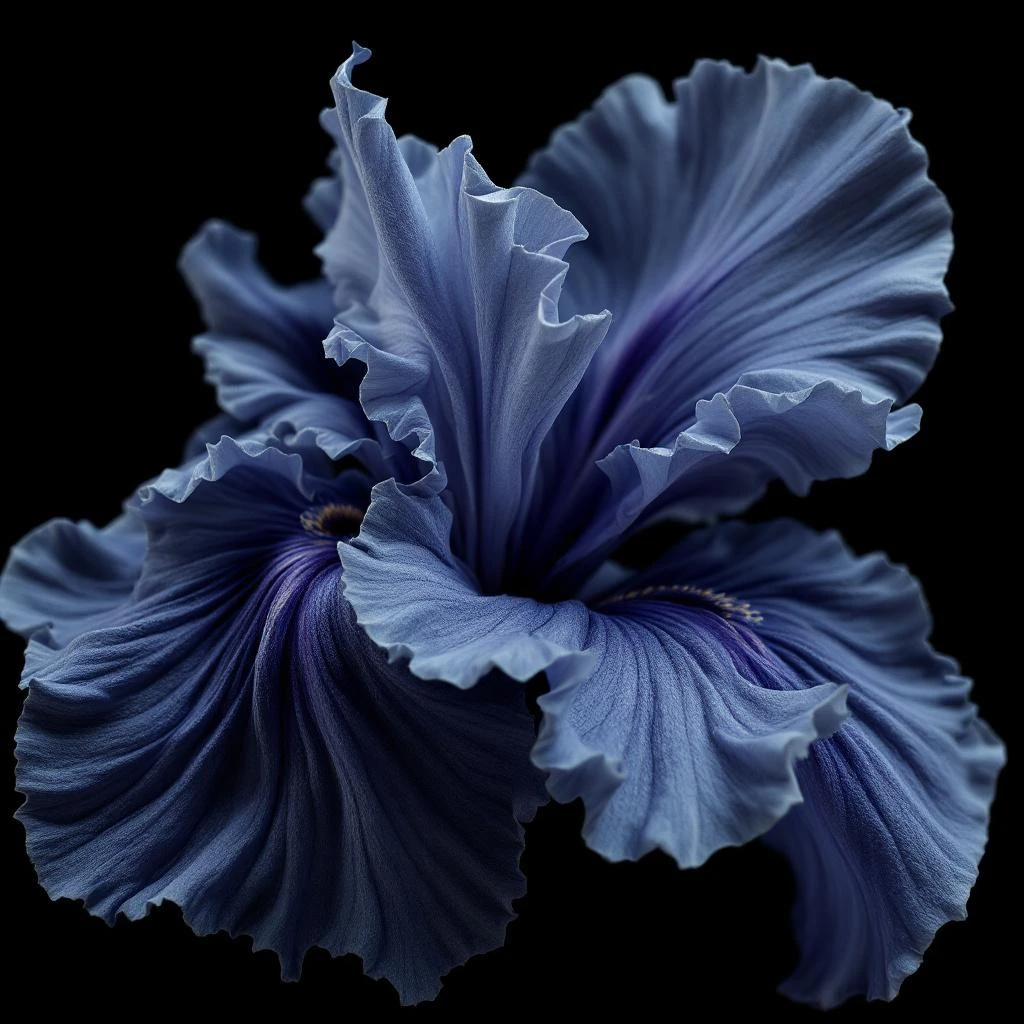
Chinese iris concrete captures the powdery, violet‑green heart of aged iris rhizomes. Harvested after a six‑year growth cycle, it yields a creamy, slightly woody note that anchors premium fragrances with lasting depth and subtle elegance.
Heritage
Iris roots have flavored cosmetics and medicines since antiquity. Egyptian texts record the use of aged orris root in sacred ointments, valuing its calming aroma. By the Middle Ages, Arab traders carried the dried rhizomes across the Mediterranean, where they entered European apothecary shelves. In the sixteenth century, Catherine de Medici introduced iris concrete to the French court, and it quickly became a staple in aristocratic perfume bottles. The 1800s saw the first commercial steam‑distillation of iris rhizomes in France, turning a rare botanical curiosity into a standardized ingredient. Because the scent develops only after years of aging, the material earned the nickname "gold of the perfume world." Throughout the twentieth century, master perfumers used Chinese iris concrete to anchor floral bouquets, and its scarcity kept it among the most prized natural notes in haute perfumery.
At a Glance
1
Feature this note
China
Primary source region
Ingredient Details
Steam distillation
Aged rhizomes
Did You Know
"It can take up to six years for an iris rhizome to accumulate the aromatic compounds that become concrete, making each kilogram of Chinese iris concrete one of the most valuable natural perfume ingredients on the market."