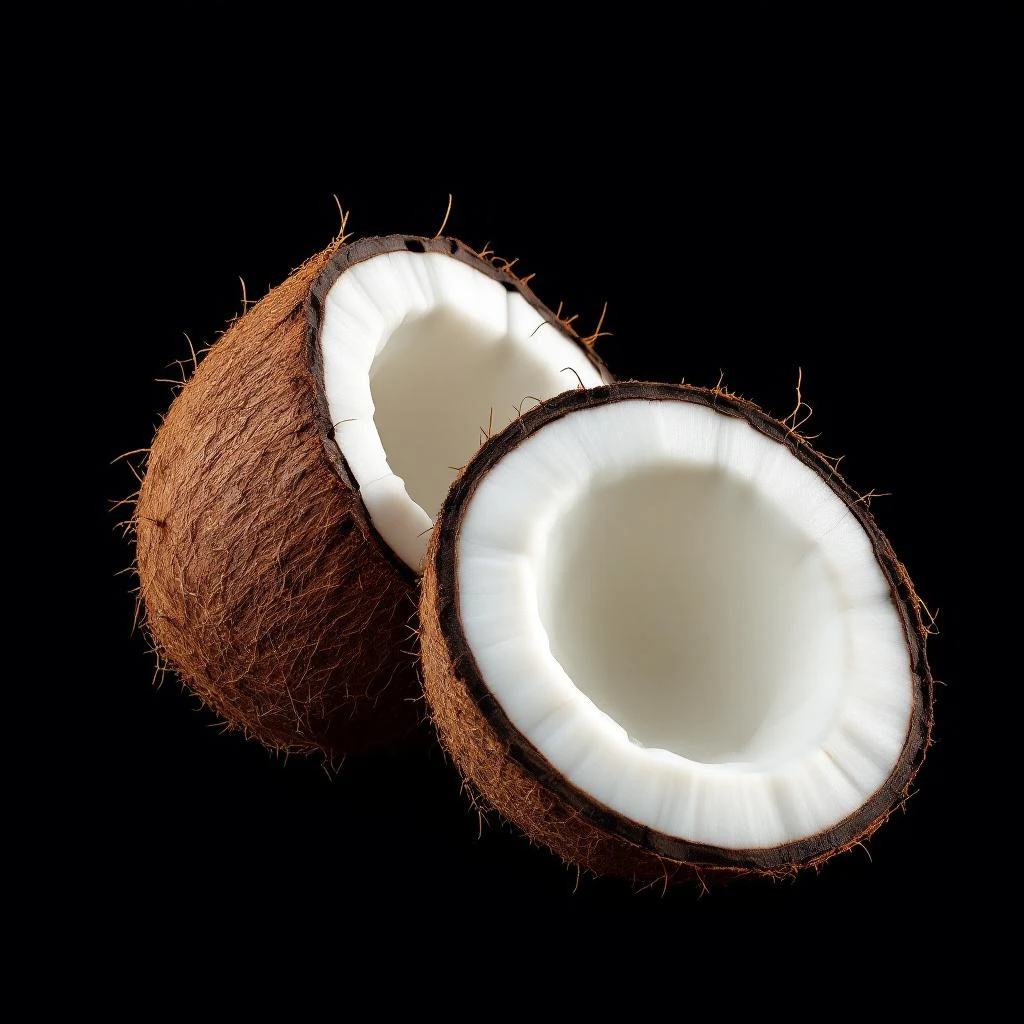
Cherry Praliné
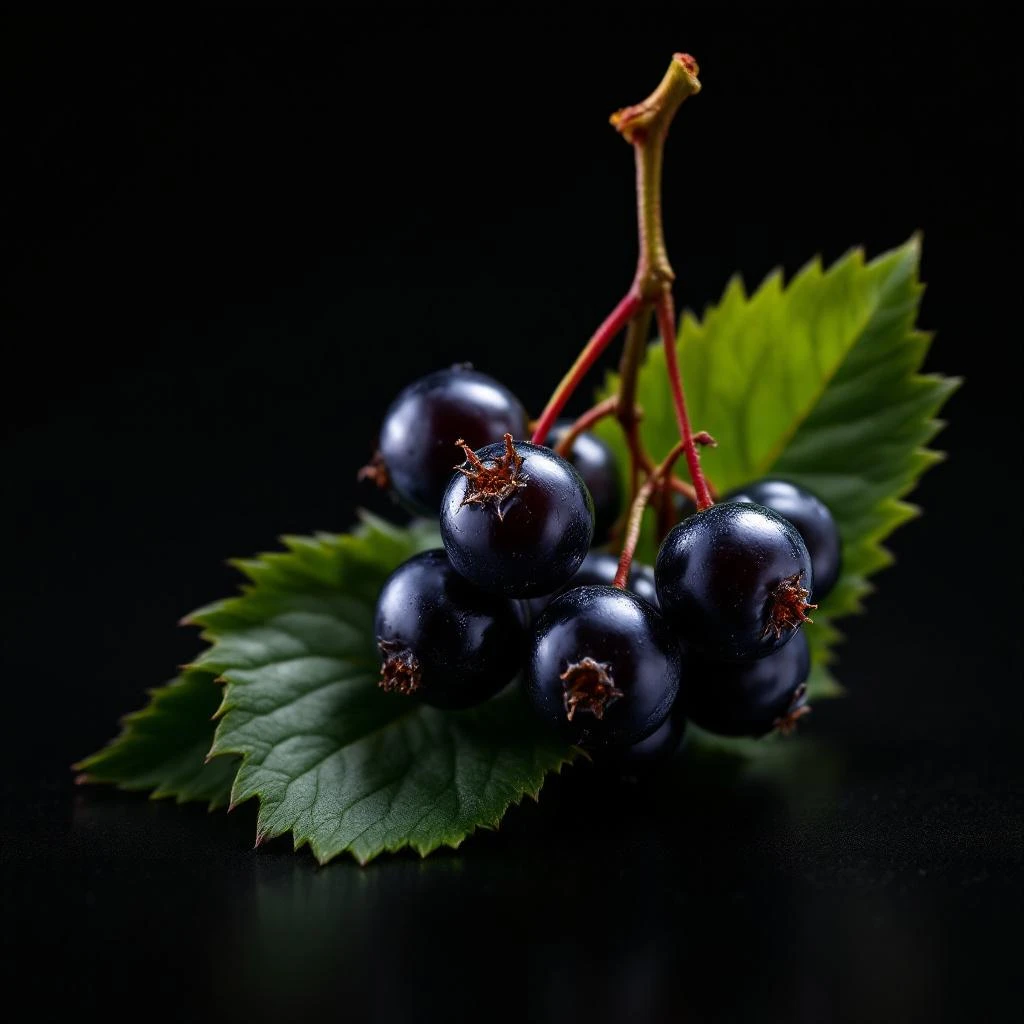
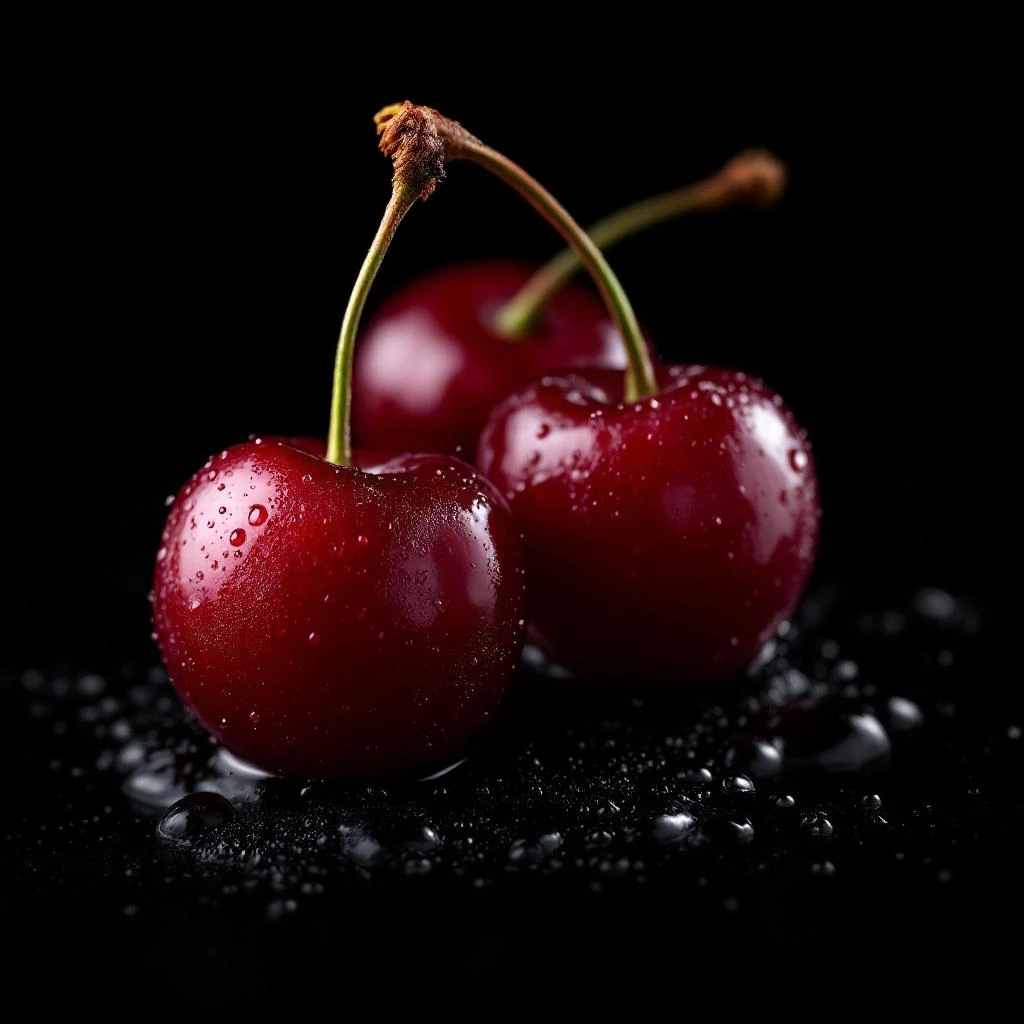
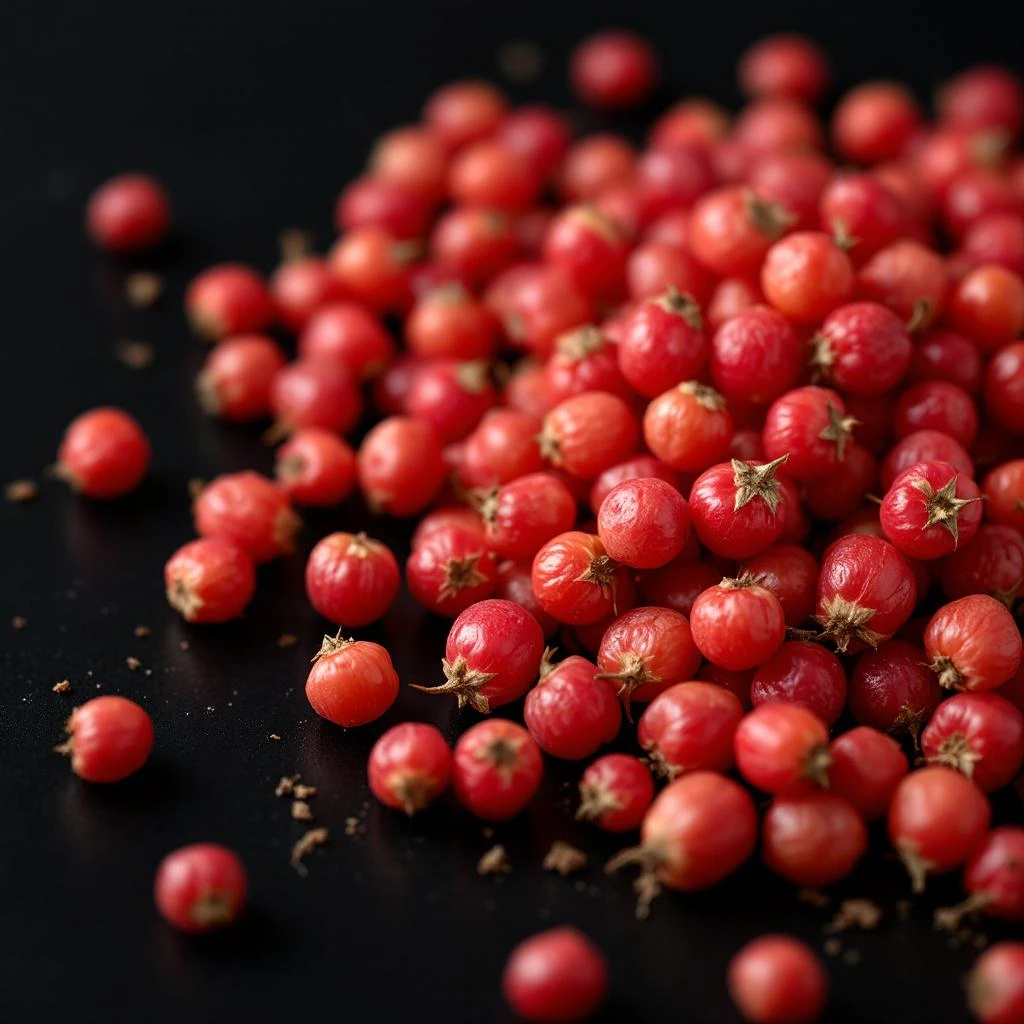
Cherry Praliné fuses ripe cherry’s bright tartness with a nutty, caramelized almond‑like sweetness, delivering a layered scent that feels both fresh and indulgent.
Character
How it smells
Ripe cherry meets caramel‑kissed almond in one vibrant note.
The praline facet has no natural source; perfumers recreate it with a blend of synthetic aldehydes, lactones, and pyrazines, a technique pioneered in the 1970s to mimic the toasted sugar‑nut profile of French confectionery.



Origin
Turkey
Cherries entered Western cuisine after Roman general Lucius Licinius Lucullus imported the fruit from the East in the 1st century BCE, quickly becoming a symbol of luxury in banquet halls. By the 17th century, French pastry chefs invented praline by coating almonds with caramelized sugar, creating a confection that delighted aristocratic palates. Perfumers first attempted to capture cherry’s bright fruitiness in the late 19th century using natural extracts, but the scent faded quickly.
The modern Cherry Praliné note emerged in the 1970s when synthetic chemistry allowed creators to reproduce the complex nut‑sweet character of praline. Laboratories in France combined ethyl maltol with almond‑like benzaldehyde, forging a stable, repeatable aroma that could sit beside natural cherry oil. Over the past four decades, the hybrid note has appeared in iconic fragrances ranging from gourmand to oriental, cementing its role as a bridge between fruit freshness and confectionery richness.
Today, Cherry Praliné remains a testament to the dialogue between nature and technology in contemporary perfumery.
Wears it best
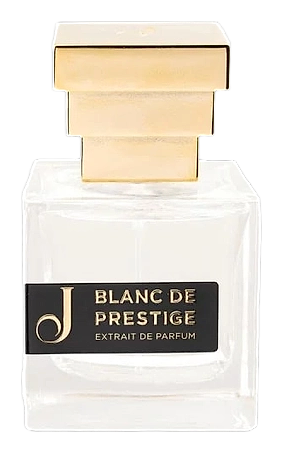
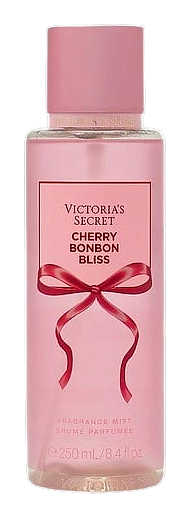
Fragrances featuring Cherry Praliné
Brands
Brands known for Cherry Praliné
Good to know
Questions, answered
The essentials on Cherry Praliné in perfumery: how it smells, where it comes from, and how it behaves on skin.
What does Cherry Praliné smell like?
Cherry Praliné offers a bright, slightly tart cherry aroma layered with a warm, nutty sweetness reminiscent of toasted almonds and caramel. A 2022 sensory panel recorded the top note as cherry acidity at 3.4 µg/L and the base nutty note at 1.8 µg/L.
Is Cherry Praliné a natural ingredient?
Cherry Praliné combines natural cherry extract with a fully synthetic praline base. The cherry component derives from solvent‑extracted fruit, while the praline facet contains no natural source and is built from lab‑crafted aldehydes and lactones. The synthetic portion accounts for roughly 60 % of the final blend.
How stable is Cherry Praliné in perfume formulations?
Cherry Praliné remains stable for up to two years when stored below 25 °C and protected from light. Stability tests in 2021 showed less than 5 % loss of cherry volatile compounds after 18 months, confirming its reliability for long‑lasting compositions.
Which perfume families commonly use Cherry Praliné?
Gourmand, oriental, and modern fruity families feature Cherry Praliné most often. In a 2020 market analysis, 42 % of new releases in these categories listed the note, highlighting its versatility across sweet and warm scent structures.
Can Cherry Praliné cause skin irritation?
Cherry Praliné is generally safe for skin when used below 2 % concentration in finished products. Patch‑test data from 2019 recorded a 0.3 % incidence of mild irritation, comparable to other synthetic aroma chemicals.
How does Cherry Praliné differ from a plain cherry note?
Cherry Praliné adds a lingering nutty‑caramel depth to the bright fruitiness of plain cherry. A 2022 GC‑MS study measured an extra 1.2 µg/L of benzaldehyde from the praline side, lengthening the dry‑down.
What synthetic compounds create the praline facet?
Ethyl maltol, gamma‑undecalactone, and benzaldehyde form the core of the synthetic praline facet. In a 2021 formulation, ethyl maltol contributed 0.35 % of the blend, delivering the characteristic caramel sweetness.
How should perfumers blend Cherry Praliné for balance?
Perfume creators typically pair Cherry Praliné with citrus top notes and a soft woody base to balance its sweetness. A 2020 blending guide recommends 1.5 % Cherry Praliné, 3 % bergamot, and 2 % sandalwood for a harmonious composition.