Character
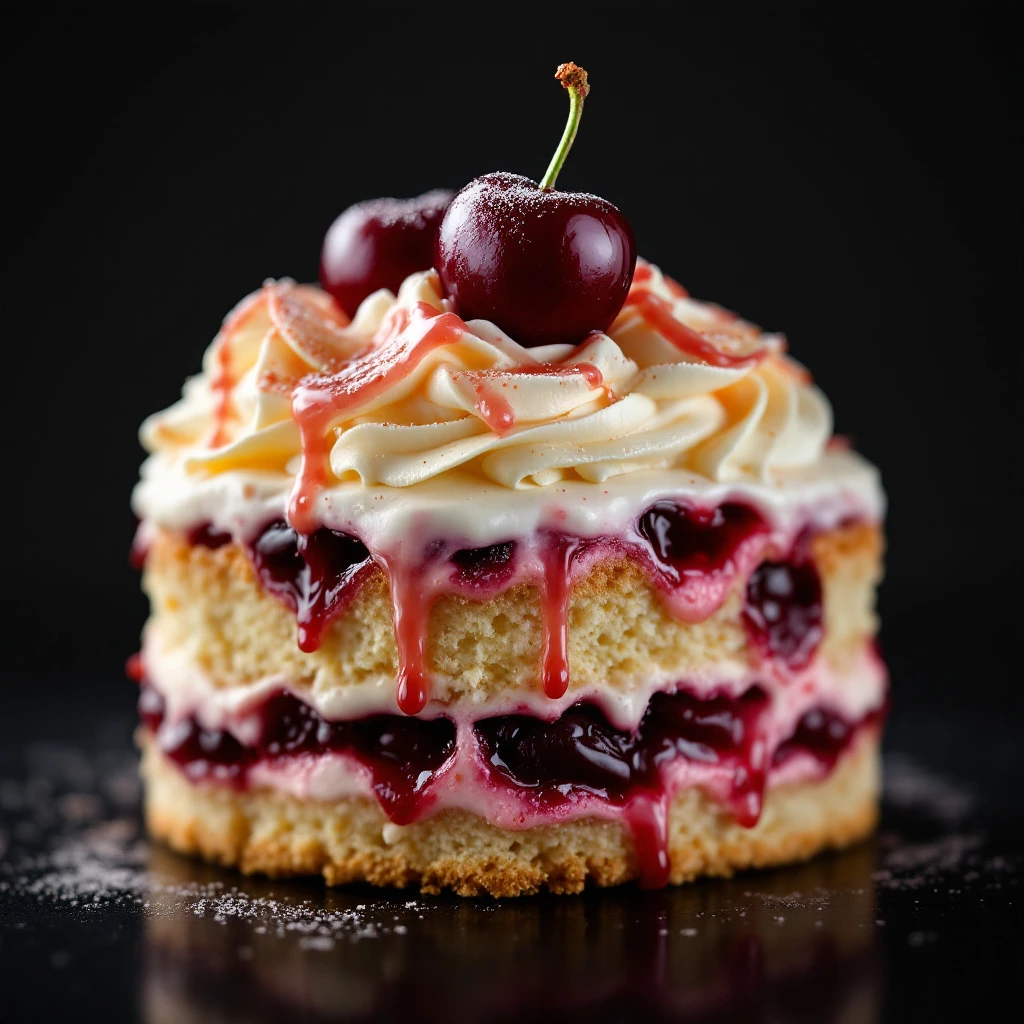
The Story of __SOFT_DELETED__Cherry cake
A comforting gourmand accord that marries the bright tartness of ripe cherry with warm vanilla cake batter. Perfumers build this dreamy note from synthetic cherry molecules, layered over creamy vanillin and subtle almond undertones that evoke a freshly baked slice.
Heritage
The concept of cherry cake as a named fragrance accord emerged from two distinct traditions converging in the modern era. Cherry itself has ancient cultural resonance across Eurasia, where wild Prunus species provided both food and symbolic meaning. But replicating cherry as a perfume ingredient required the chemical sciences of the 19th century.
Before synthetic chemistry, perfumers relied on bitter almond oil or maraschino liqueur for faint cherry impressions. Neither captured the bright, jammy cherry quality that Western cultures associate with the fruit. The development of reliable benzaldehyde synthesis in the 1850s changed this landscape.
Meanwhile, European cake traditions flourished independently. Viennese coffee houses of the 17th century established the pattern of aromatic pastries alongside beverages, where cinnamon and vanilla became defining flavor profiles. Cherry filling became a staple in Central European baking traditions, appearing in tortes, pastries, and celebratory cakes.
Modern perfumery merged these streams in the late 19th century. Commercial synthesis of vanillin and coumarin by 1870 gave perfumers access to edible-seeming aromatic materials. The first perfumes featuring fruit-cake themes appeared early in the 20th century, though typically in subtle supporting roles.
The true cherry cake accord as a signature scent note developed more recently, alongside the gourmand fragrance movement that questioned traditional boundaries between perfumery and culinary arts. Fragrance houses began treating desserts, fruits, and pastries as serious perfumery subjects rather than playful novelties.
Contemporary cherry cake accords reflect this heritage. They recreate the aromatic experience of European pastry traditions while relying on materials unavailable to perfumery before organic chemistry made them accessible. The result represents both a cultural collaboration across centuries and a demonstration of how synthetic chemistry expands rather than replaces natural materials.
At a Glance
1
Feature this note
Austria
Primary source region
Ingredient Details
Synthetic
Benzaldehyde (synthetic or bitter almond), Vanillin (synthetic or benzoin resin), Coumarin (synthetic or tonka bean)
Did You Know
"No essential oil exists for cherry. Every drops of cherry in fragrance comes from a laboratory."