
    Ingredient Profile

    Ceylonese sandalwood fragrance note

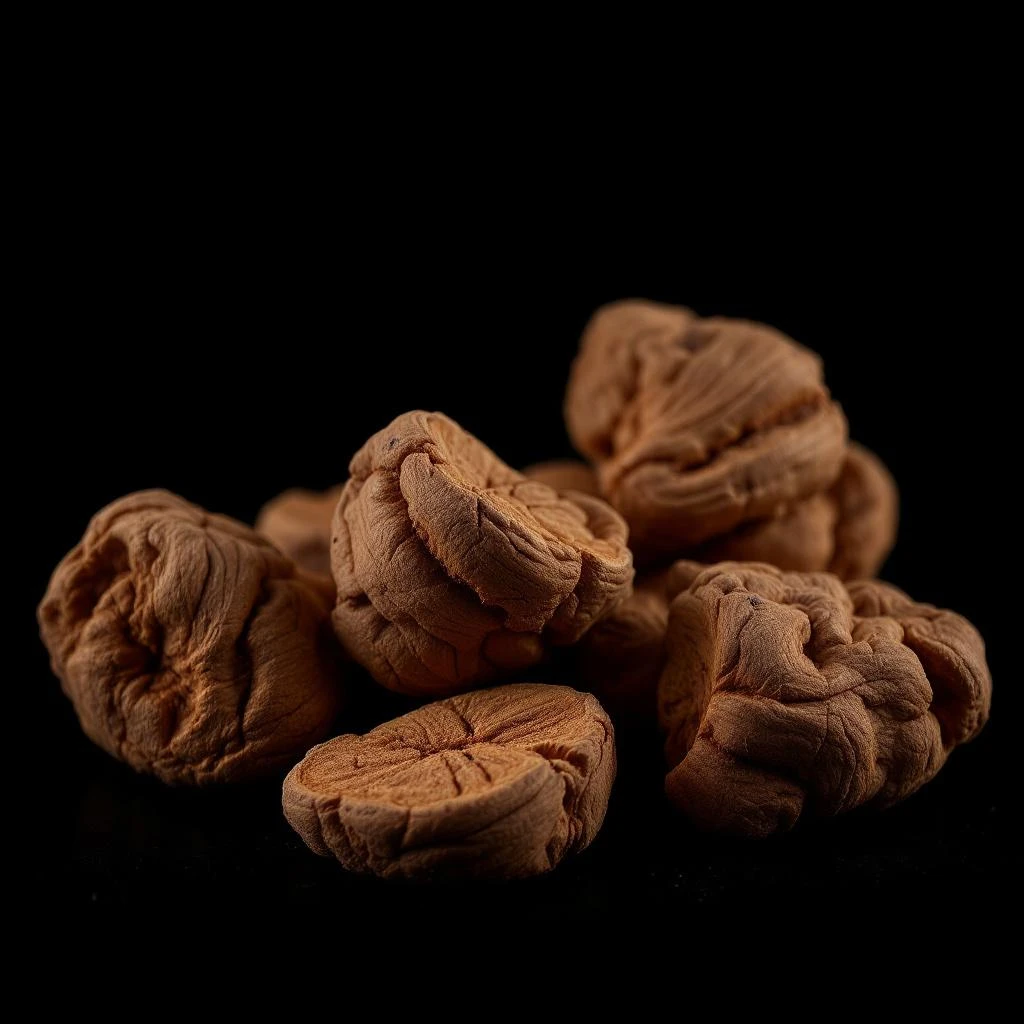
    Ceylonese sandalwood offers a creamy, warm wood scent accented by gentle sweetness and a faint powdery edge. Harvested from mature heartwood…More

    Sri Lanka

    2

    Fragrances

    Fragrances featuring Ceylonese sandalwood

    Character

    The Story of Ceylonese sandalwood

    Ceylonese sandalwood offers a creamy, warm wood scent accented by gentle sweetness and a faint powdery edge. Harvested from mature heartwood in Sri Lanka, its high α‑santalol level provides a smooth, enduring base prized by perfumers worldwide.

    Heritage

    Sandalwood has traveled the spice routes for millennia, and Sri Lanka became a key source after Arab traders introduced the wood to the Middle East in the 9th century. Local Ayurvedic texts recorded its use as a calming incense and a skin‑soothing balm. During the 17th century, colonial powers established plantations to meet European demand, which led to over‑harvesting and a decline in wild populations. The Sri Lankan government responded in the 1990s with a certification program that tracks each tree from seed to oil, restoring forest cover while supporting rural livelihoods. By the early 2000s, Ceylonese sandalwood regained its reputation for purity, and today it features in niche and mainstream fragrances alike, celebrated for its consistent aroma and ethical sourcing.

    At a Glance

    Fragrances

    2

    Feature this note

    Origin

    Sri Lanka

    Primary source region

    Ingredient Details

    Extraction

    Steam distillation

    Used Parts

    Dried heartwood

    Did You Know

    "Ceylonese sandalwood trees reach peak oil yield at just 15 years, half the age required for many other timber species, making it one of the fastest maturing aromatic woods."

    Pyramid Presence

    Heart
    1
    Base
    1

    Production

    How Ceylonese sandalwood Is Made

    Sustainable farms in central Sri Lanka cultivate Santalum album on a rotation schedule that protects soil health. Harvesters select trees older than fifteen years, fell them with low‑impact chainsaws, and strip the bark to expose the heartwood. Workers cut the heartwood into uniform blocks, then air‑dry the pieces for three to six months to reduce moisture. Dried blocks enter a stainless‑steel still where steam at 180 °C passes through for four hours, extracting the essential oil. The condensate separates into oil and water; the oil settles, is filtered through fine mesh, and is stored in amber glass to shield it from light. Quality labs test each batch for α‑santalol concentration, ensuring it meets the 40‑% minimum required for premium use. The process balances yield with forest regeneration, allowing new seedlings to replace harvested trees each cycle.

    Provenance

    Sri Lanka

    Sri Lanka7.9°N, 80.8°E

    About Ceylonese sandalwood