Character
The Story of Cereals
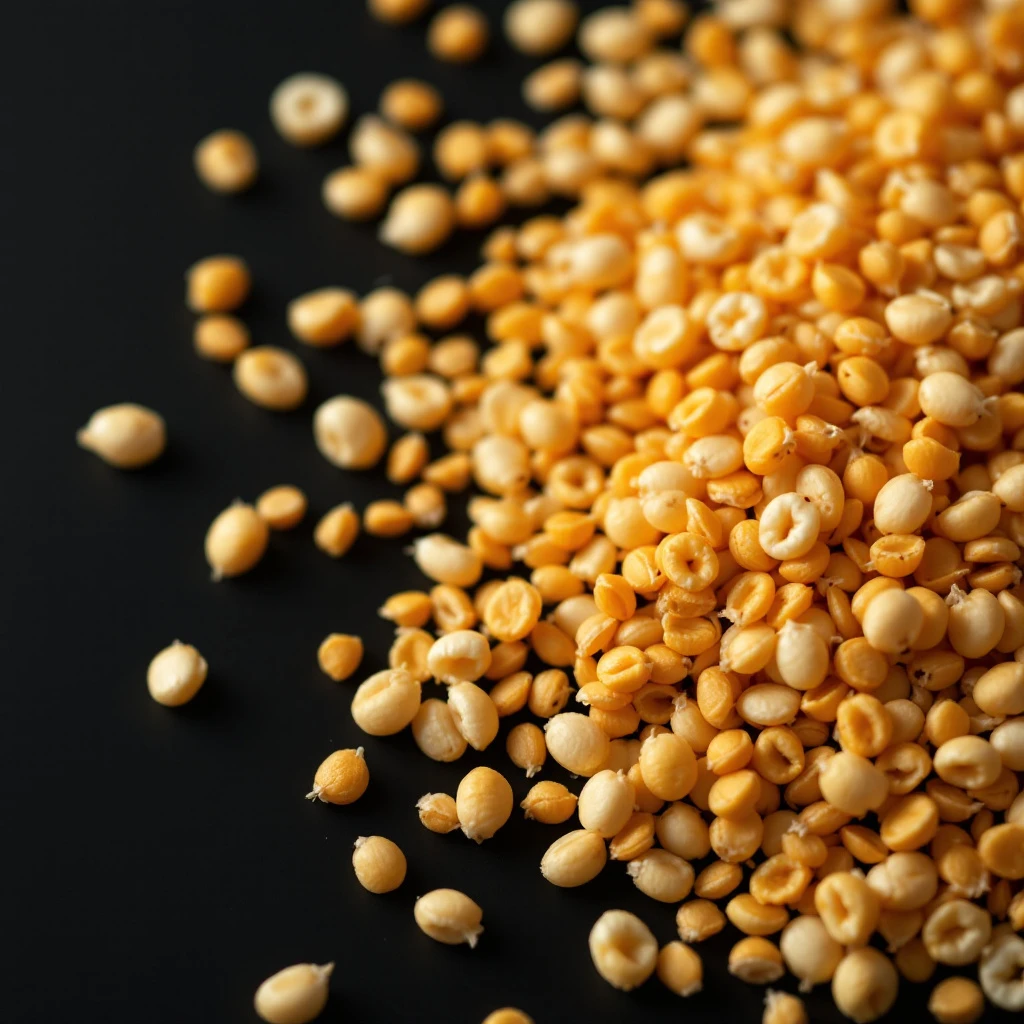
Cereals bring warm, toasted, and nutty dimensions to perfumery, evoking fresh-baked bread and harvested grain fields. These comforting accords create an instant sense of homeliness and nostalgia in fragrance compositions, grounding compositions with their edible, approachable warmth.
Heritage
Grains have been central to human civilization for over 10,000 years, and their aromatic presence in daily life naturally influenced early perfumery traditions. Ancient Egyptians and Mesopotamians burned grain-based incense during harvest ceremonies, recognizing the sacred quality of toasted cereals. Medieval European herbalists used grain-infused waters for their comforting, homey scents. The 19th century marked a turning point when organic chemistry enabled scientists to isolate and identify specific aromatic compounds found in cereals. Vanillin from vanilla was characterized in 1898, followed by the synthesis of coumarin in 1823, which carries a sweet, hay-like quality reminiscent of dried grains. These discoveries opened pathways for recreating and enhancing grain-derived scents. Modern perfumery embraced cereal accords in the late 20th century as warm, edible fragrance families gained popularity, particularly in oriental and gourmand compositions designed to evoke comfort and nostalgia.
At a Glance
1
Feature this note
United States
Primary source region
Ingredient Details
Multiple methods including solvent extraction, CO2 extraction, and synthetic production
Grain germ, bran, straw, kernels, and synthetically derived aroma compounds
Did You Know
"The compound 2-acetylpyrazine, commonly associated with popcorn, is one of several aromachemicals used to recreate cereal notes synthetically in modern perfumery."