
Character
The Story of Cedar leaf
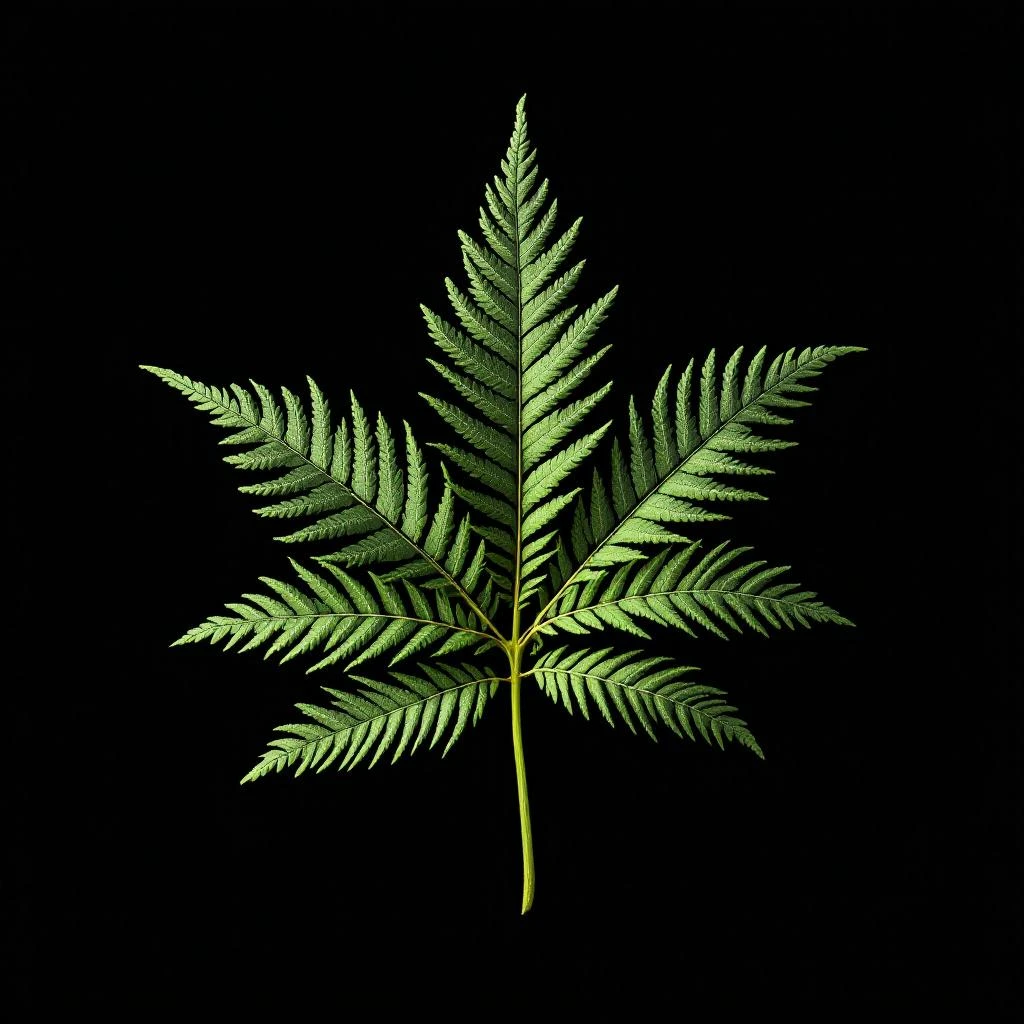
Cedar leaf oil distills the crisp, green essence of Thuja occidentalis. Despite its common name, this botanical shares no lineage with true cedars, yet delivers an aromatic profile that perfumers have prized for centuries.
Heritage
The eastern white cedar held significant cultural weight among Indigenous peoples of northeastern North America long before European settlers arrived. They used the foliage medicinally and ritually, recognizing properties that would later attract the attention of European perfume houses. When perfumers began exploring North American botanical materials in the 19th century, cedar leaf oil emerged as a distinct aromatic with different characteristics from the cedarwoods derived from Cedrus species. Its use in perfumery established during this period of exploration, finding particular favor in fougère compositions and masculine fragrance bases. The distinction between cedar leaf and cedarwood became an important technical consideration for perfumers, as the two materials offer different olfactory profiles despite sharing a common name in common parlance.
At a Glance
7
Feature this note
Canada
Primary source region
Ingredient Details
Steam distillation
Fresh foliage (needles and twigs)
Did You Know
"Eastern white cedar foliage contains thujone, the same compound found in wormwood, giving the oil its distinctive sharp, herbaceous character."
Pyramid Presence