    Ingredient Profile

    Castoreum absolute fragrance note

    Castoreum absolute captures the deep, leathery essence of beaver scent glands, offering a rich animalic note that anchors modern composition…More

    Canada

    3

    Fragrances

    Fragrances featuring Castoreum absolute

    3

    Character

    The Story of Castoreum absolute

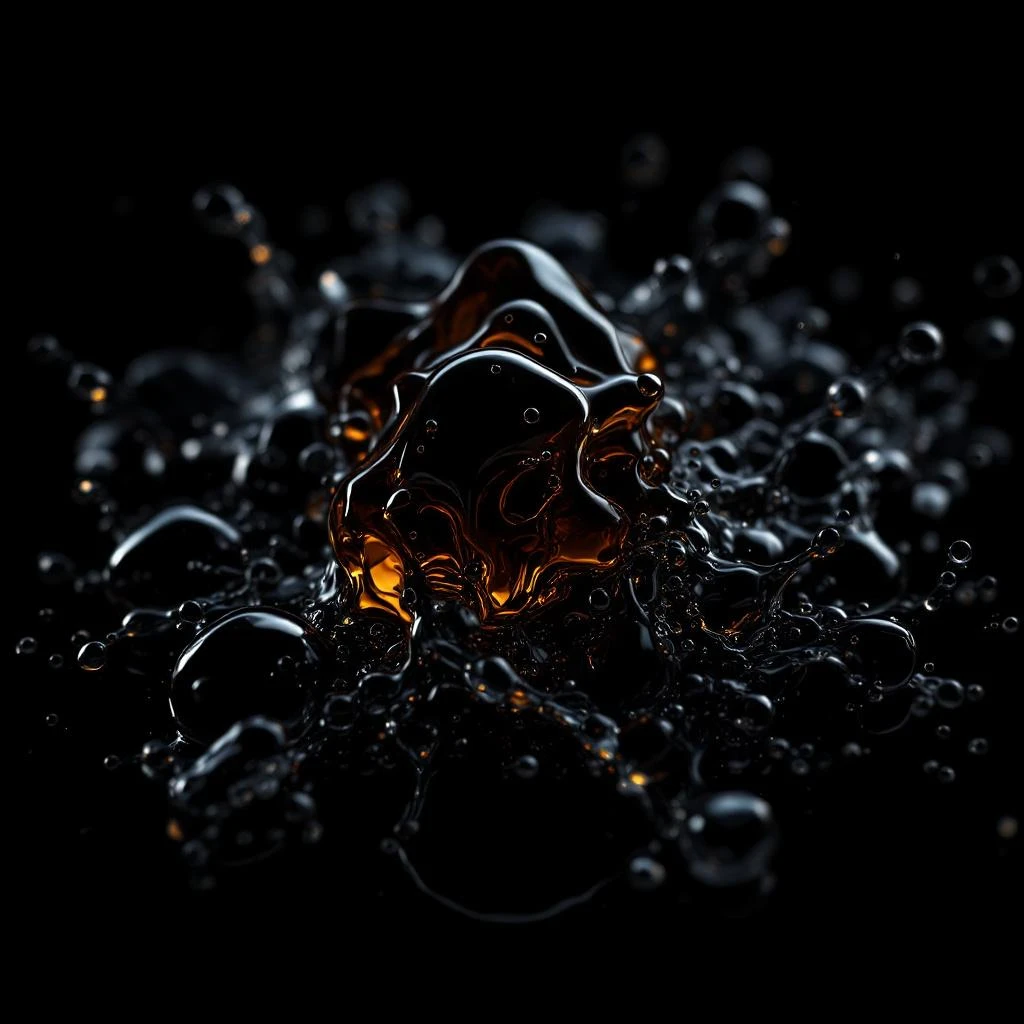
    Castoreum absolute captures the deep, leathery essence of beaver scent glands, offering a rich animalic note that anchors modern compositions with a hint of wild forest and smoked amber.

    Heritage

    Indigenous peoples first noted the strong odor of beaver castor sacs, using them to scent hides. In the 17th century European traders introduced the material to perfumers seeking a natural leather note. Early French ateliers blended castoreum with oakmoss and ambergris to create the first leather‑type fragrances. By the late 1800s, the note appeared in iconic creations such as Guerlain's "Jicky" and Chanel's "Cuir de Russie." The 20th century saw a decline in natural extraction as synthetic analogues like civetone and iso‑eugenol offered cheaper, cruelty‑free options. Nevertheless, niche houses continue to value the authentic depth of true castoreum, positioning it as a heritage ingredient that bridges wild origins with refined artistry.

    At a Glance

    Fragrances

    3

    Feature this note

    Origin

    Canada

    Primary source region

    Ingredient Details

    Extraction

    Solvent extraction

    Used Parts

    Castor sacs (scent glands) of beaver

    Did You Know

    "Beaver castor sacs can weigh up to 2 grams each, yet a single gram of absolute delivers the full aromatic profile used in dozens of classic perfumes."

    Production

    How Castoreum absolute Is Made

    Harvesters collect castor sacs from mature beavers in North America and Eastern Europe. After cleaning, the sacs dry for several weeks to concentrate their aromatic oils. Artisans then soak the dried sacs in high‑purity ethanol, allowing the solvent to dissolve the volatile compounds. The mixture rests for months, during which the alcohol extracts the scent molecules. After maceration, the solution is filtered to remove solid residue. The filtrate is evaporated under reduced pressure, leaving a thick, dark amber absolute. This process preserves the characteristic animalic, leathery nuances while removing water and impurities. The final product contains a blend of phenols, acids, and lactones that give castoreum its distinctive depth.

    Provenance

    Canada

    Canada56.1°N, 106.3°W

    About Castoreum absolute