Character
The Story of Carnation absolute
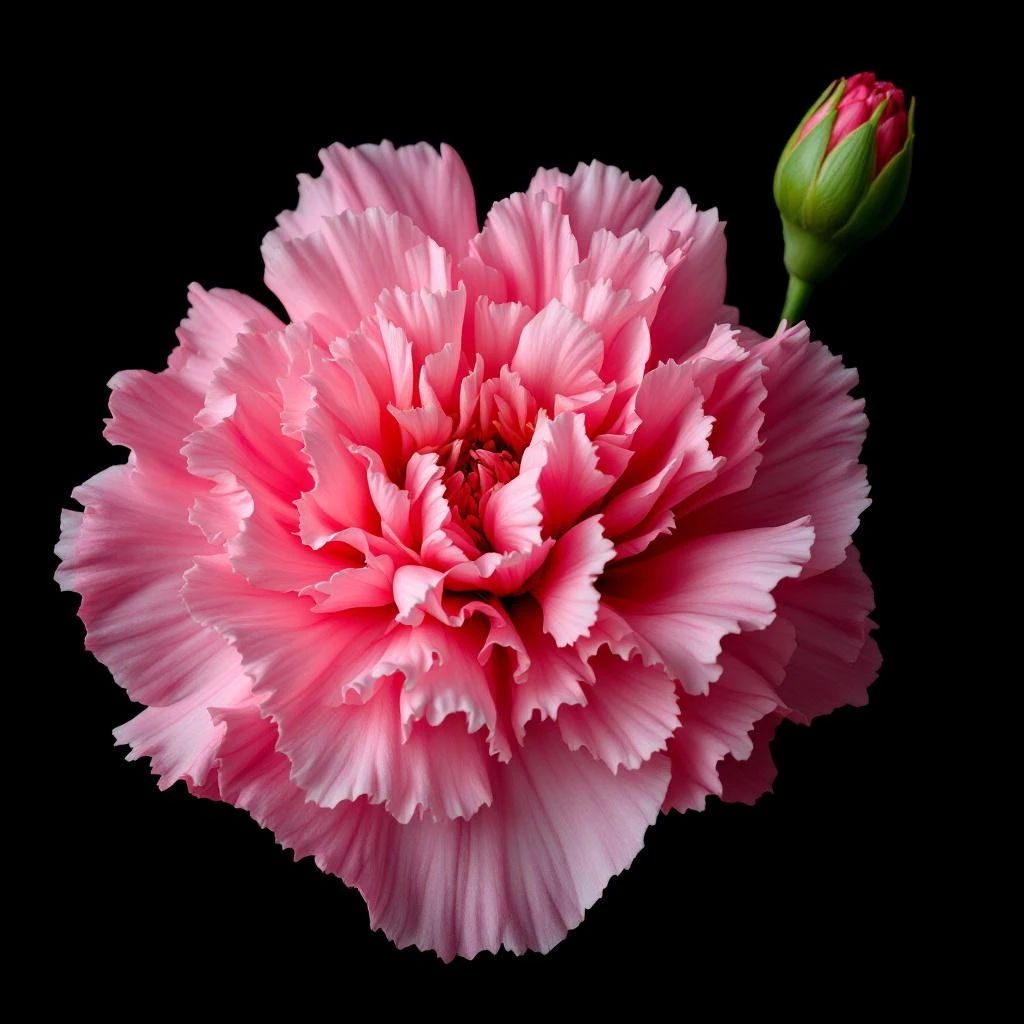
Carnation absolute delivers a honey‑sweet core, bright clove‑spice, and deep floral nuance, making it a rare, richly layered ingredient prized by perfumers seeking depth and warmth.
Heritage
Carnation flowers grew in Mediterranean gardens for centuries, but perfumers only began extracting their scent in the early 1900s. In 1905 a Parisian house introduced the first commercial carnation absolute, sparking a wave of floral compositions that celebrated the flower’s sweet‑spicy profile. The ingredient quickly appeared in classic chypre and aldehyde blends, offering a natural alternative to synthetic clove notes. During the interwar period, carnation absolute became a staple in bridal and evening fragrances, valued for its longevity and richness. Post‑World War II, synthetic aromachemicals reduced its prevalence, yet niche houses revived its use in the 1990s, highlighting its authentic complexity. Today, carnation absolute remains a niche treasure, symbolizing the bridge between historic botanical craft and modern olfactory art.
At a Glance
2
Feature this note
France
Primary source region
Ingredient Details
Solvent extraction (alcohol wash)
Flower petals
Did You Know
"Only the sun‑kissed fields of southern France yield carnation absolute; the region’s mineral‑rich soils give the flower a distinctive clove‑like spark that synthetic versions cannot fully replicate."