Character
The Story of Candied violet
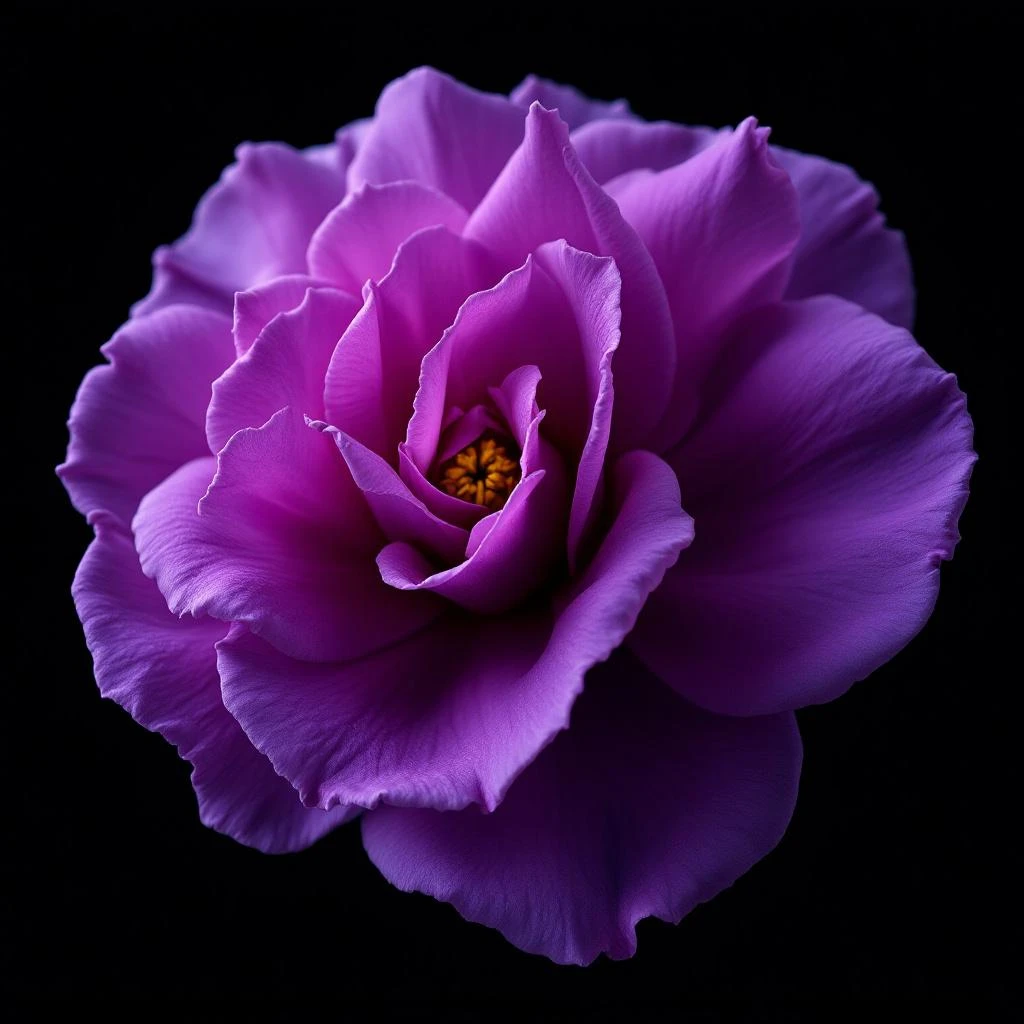
Candied violet brings the delicate sweetness of sugar-preserved violet petals to perfumery, a confectionery-inspired note with roots in 19th-century French flower markets. This gourmand interpretation captures violet's floral grace through a sugary lens.
Heritage
Violet has perfumed human civilization since ancient Athens designated it as a civic symbol. Early Arab perfumers developed distillation techniques that unlocked violet's essence centuries ago. The true revolution came in late 19th-century Germany, where researchers synthesized ionones—compounds that mirror violet's scent so faithfully that they now dominate violet perfumery. Toulouse, France became the epicenter of violet cultivation, with growers supplying both the perfume industry and the confectionery trade. French artisans have preserved violet petals in sugar since at least the 1840s, creating the candied form that eventually inspired perfumers. The famous Parma violet—a sweet, velvety interpretation—emerged from Italian monastic tradition in the 19th century, laying groundwork for the candied aesthetic that defines much modern violet perfumery.
At a Glance
3
Feature this note
France
Primary source region
Ingredient Details
Solvent extraction with synthetic ionones
Flower petals
Did You Know
"It takes over 33,000 kilograms of violet flowers to produce a single kilogram of essence, making natural violet one of the most precious materials in perfumery."
Pyramid Presence