
Character
The Story of Candied Pear
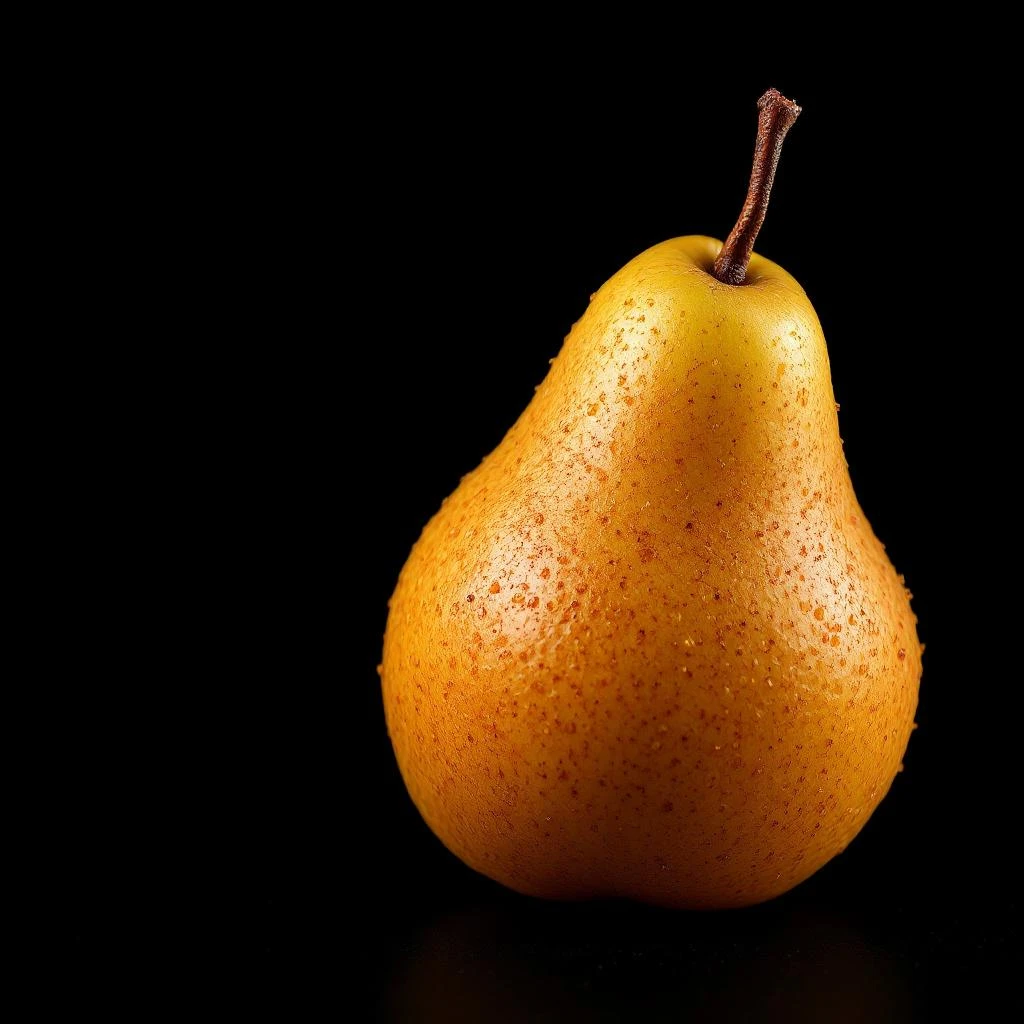
Candied Pear captures the ripe sweetness of sun-drenched orchard fruit, transformed through perfumery's alchemical art into a gourmand accord bridging fresh fruit and confection.
Heritage
Pears (Pyrus communis) originated in the Caucasus mountains and spread through Roman cultivation across Europe. Ancient Greeks used pears as digestive aids, eating them after heavy meals. Roman cooks developed sophisticated pear preparations including spiced and candied versions. Medieval monasteries maintained pear orchards as both food source and medicine, preserving fruit in syrups and sugars—techniques that anticipate the candied approach. By the Renaissance, pears had become luxury table fruit, but their delicate aromatics remained beyond capture until the emergence of aroma chemistry in the late 19th century. Only when chemists could analyze and synthesize the volatile esters of ripe pears (approximately 1920s-30s) could perfumers finally recreate fruit notes impossible to extract from nature. The gourmand fragrance movement of the 1980s-90s popularized synthetic fruit accords, with Candied Pear emerging as the confection-like variant of this breakthrough—a modern invention drawing on centuries of pear appreciation.
At a Glance
2
Feature this note
France
Primary source region
Ingredient Details
Synthetic
N/A - synthetic reconstruction from aroma chemicals
Did You Know
"Pear essence required 40 years of aroma chemistry before perfumers could faithfully reconstruct its delicate ester profile."