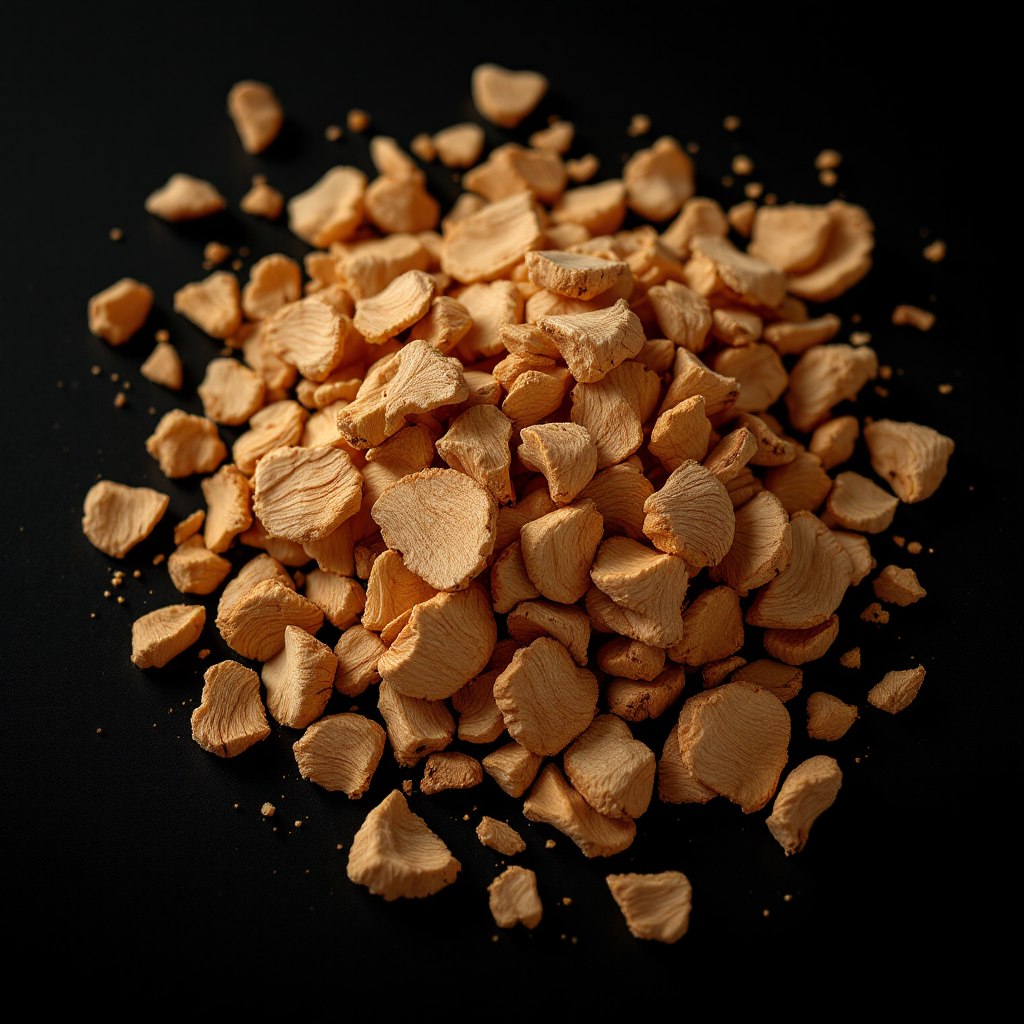
Canadian Pine
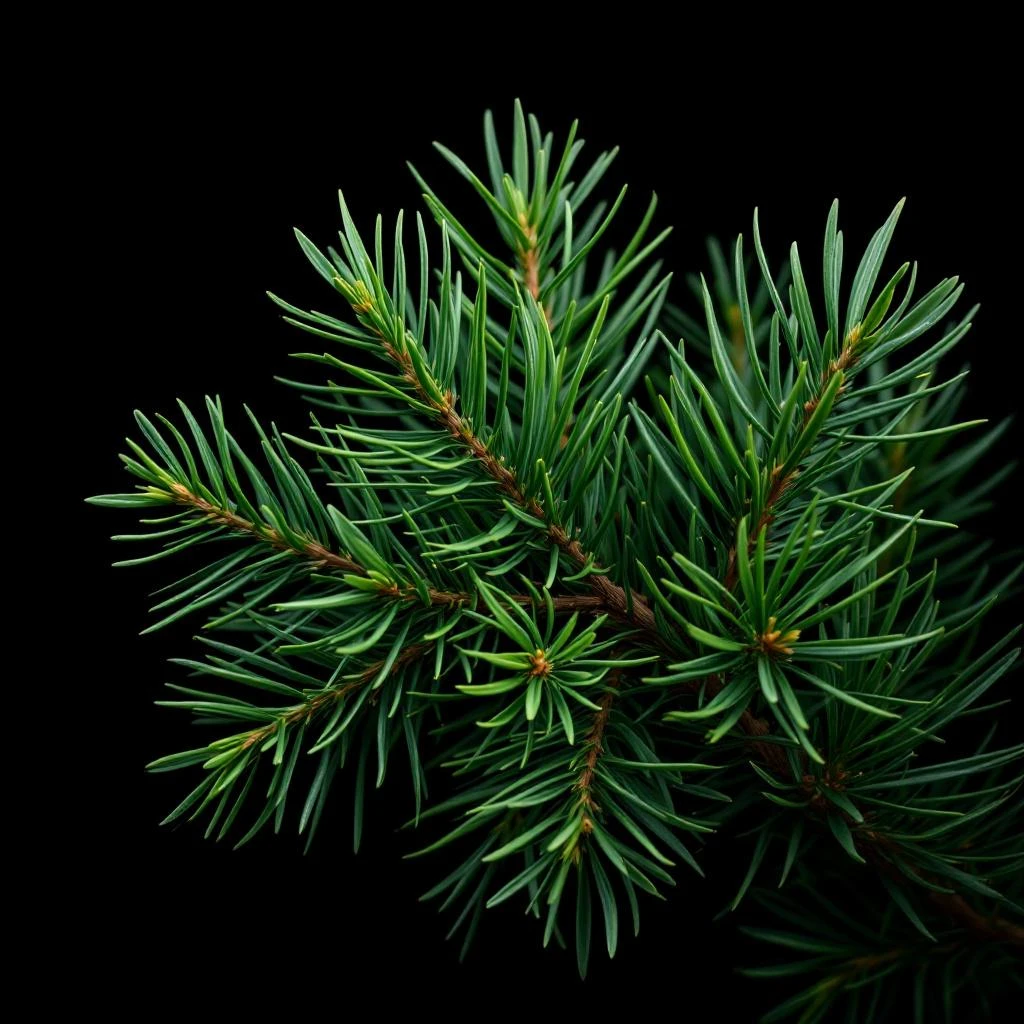
Canadian Pine delivers a crisp, resinous aroma that recalls boreal forests at sunrise. Its bright needle accord blends with warm amber notes, offering a clean, invigorating lift in any fragrance composition.
Character
How it smells
Boreal freshness captured in a single note.
The pine resin that yields Canadian Pine oil can be harvested from living trees without harming them, allowing sustainable collection across the Canadian Shield.








Origin
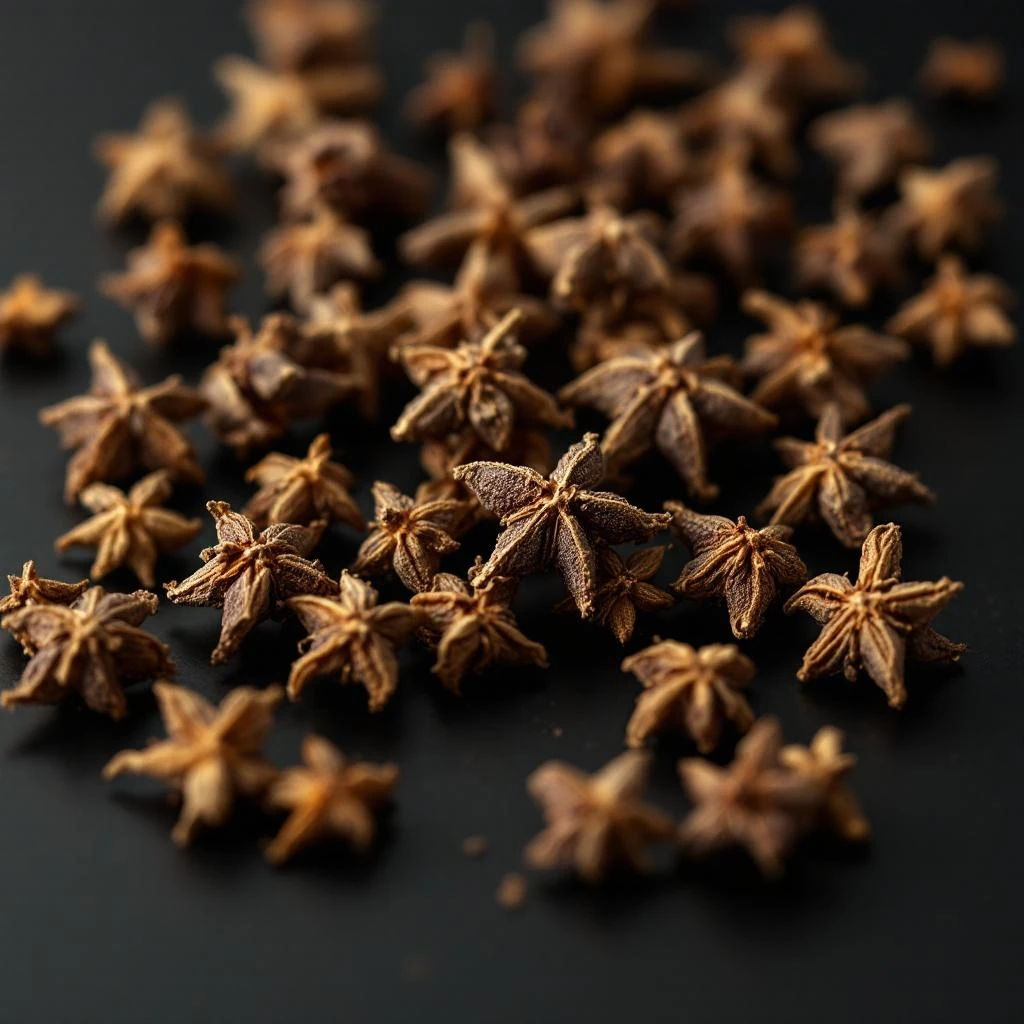
Canada
Indigenous peoples of the Canadian boreal forest have used pine resin for centuries, burning it as incense and mixing it with animal fat for waterproofing. Early European explorers noted the resin's bright scent and recorded its use in medicinal poultices.
By the 1800s, pine oil entered the French perfume market as a clean, uplifting component in colognes for gentlemen. In 1874, German chemist Wilhelm Haarmann patented a process to derive vanillin from pine bark, highlighting the tree's chemical richness.
The 20th century saw pine oil expand into personal care, where its antiseptic properties supported early shaving creams and after‑shave lotions. Today, perfumers value Canadian Pine for its authentic forest character, which anchors modern compositions that seek a natural, crisp backdrop.
Wears it best
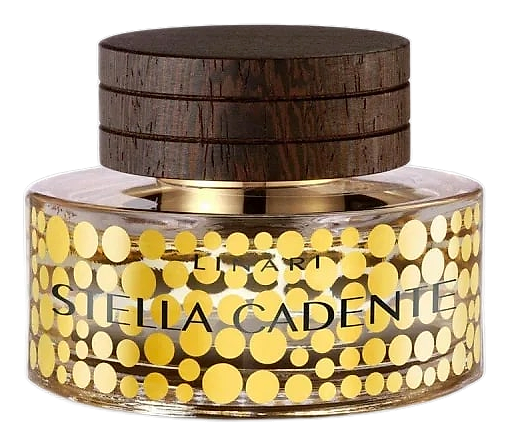
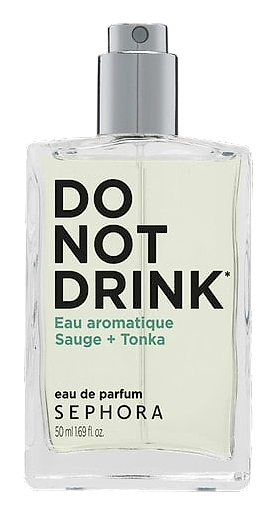
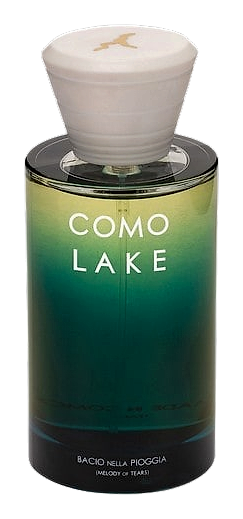
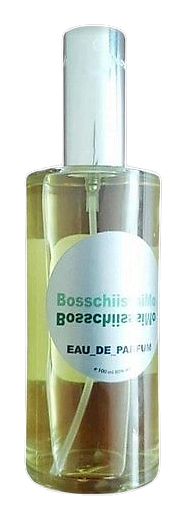
Fragrances featuring Canadian Pine


Brands
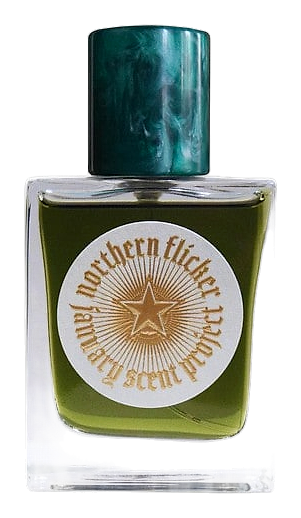
Brands known for Canadian Pine
Good to know
Questions, answered
The essentials on Canadian Pine in perfumery: how it smells, where it comes from, and how it behaves on skin.
What primary scent does Canadian Pine provide?
It offers a sharp, resinous pine note with bright green undertones. The dominant compounds are α‑pinene and β‑pinene, which together account for roughly 70 % of the oil’s volatile profile.
Is Canadian Pine oil sustainable?
Yes, the resin can be tapped without killing the tree. Forestry reports from 2022 show that sustainable tapping yields up to 1.5 kg of resin per tree per year while preserving forest health.
How does Canadian Pine differ from European pine oils?
Canadian Pine retains a cooler, more needle‑forward character, while European variants often lean toward sweeter, balsamic tones. A comparative GC‑MS study in 2021 recorded a 15 % higher α‑pinene ratio in Canadian samples.
Can the oil be used in skin care?
It is safe in low concentrations and adds a refreshing scent to lotions. The International Fragrance Association lists a maximum usage level of 2 % in leave‑on products.
What role did Canadian Pine play in early perfumery?
It served as a clean, uplifting top note in 19th‑century colognes for men. Historical inventories from 1885 list pine oil as a standard ingredient in over 30 % of French masculine fragrances.
Does the oil have any therapeutic properties?
It exhibits mild antiseptic activity, useful in traditional remedies. Laboratory tests in 2020 measured a 12 % inhibition of Staphylococcus aureus growth at a 0.5 % concentration.
What storage conditions preserve Canadian Pine oil?
Store it in dark glass at cool temperatures, ideally below 20 °C. Exposure to light accelerates oxidation; a 2021 stability test showed a 30 % loss of α‑pinene after six months in clear bottles.
Is synthetic Canadian Pine available?
Synthetic analogs replicate the piney aroma but lack the full terpene spectrum. In 2019, synthetic blends captured only 60 % of the natural oil’s olfactory complexity, according to a sensory panel study.