Calamondin
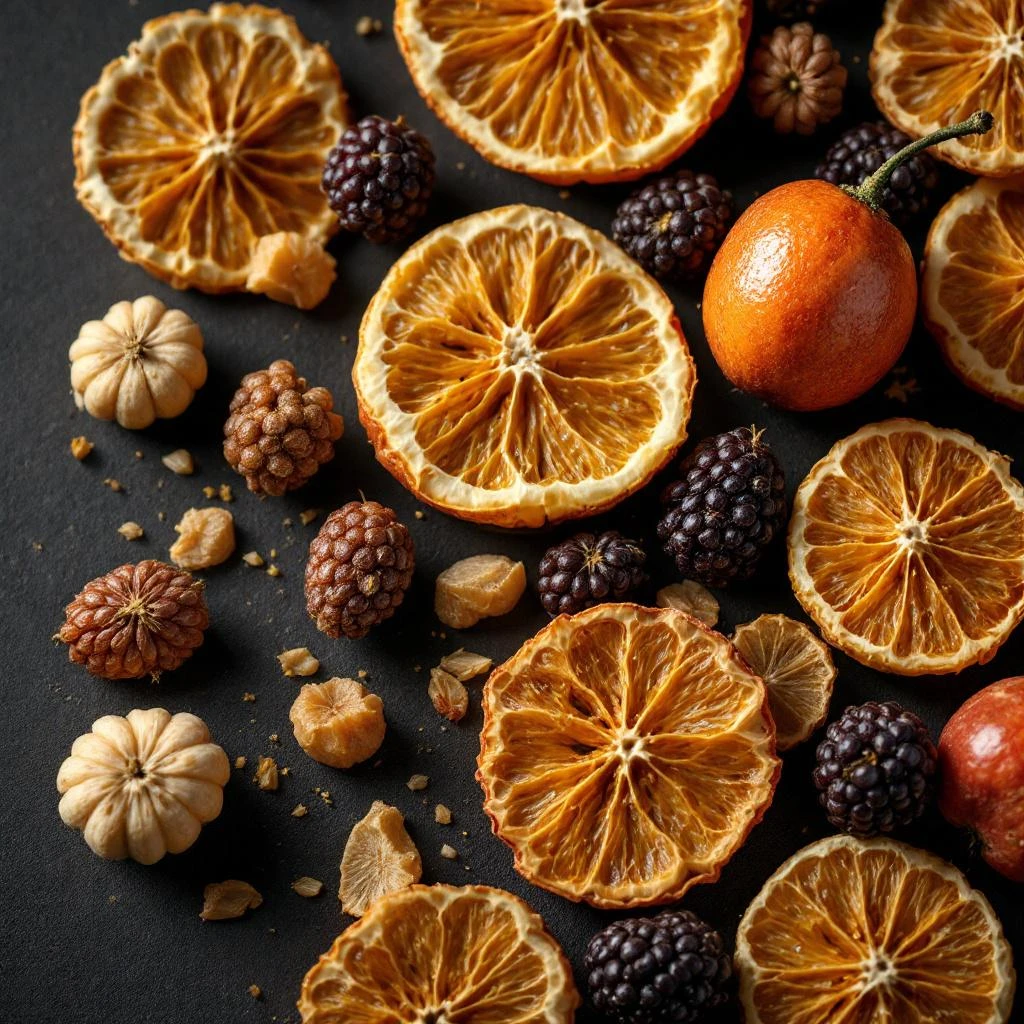
A compact citrus hybrid prized for its intensely aromatic peel, Calamondin delivers a bright, tart fragrance with delicate floral undertones rarely found in sharper citrus oils. Native to Southeast Asia, this small fruit has long been valued for its versatile scent profile that bridges zesty and serene.
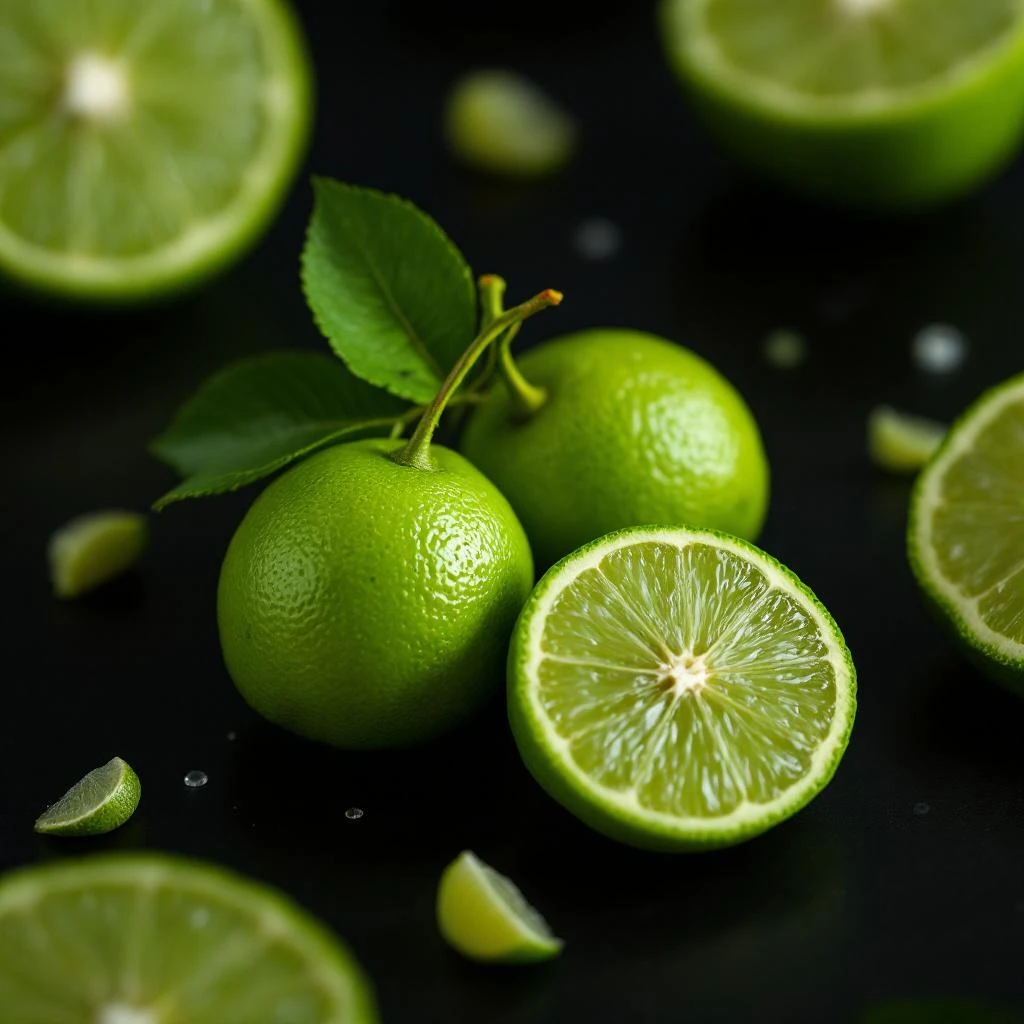
Character
How it smells
The delicate citrus bridging tart and floral.
Calamondin can bloom and bear fruit simultaneously on the same branch, giving perfumers year-round access to its fragrant flowers and peel.








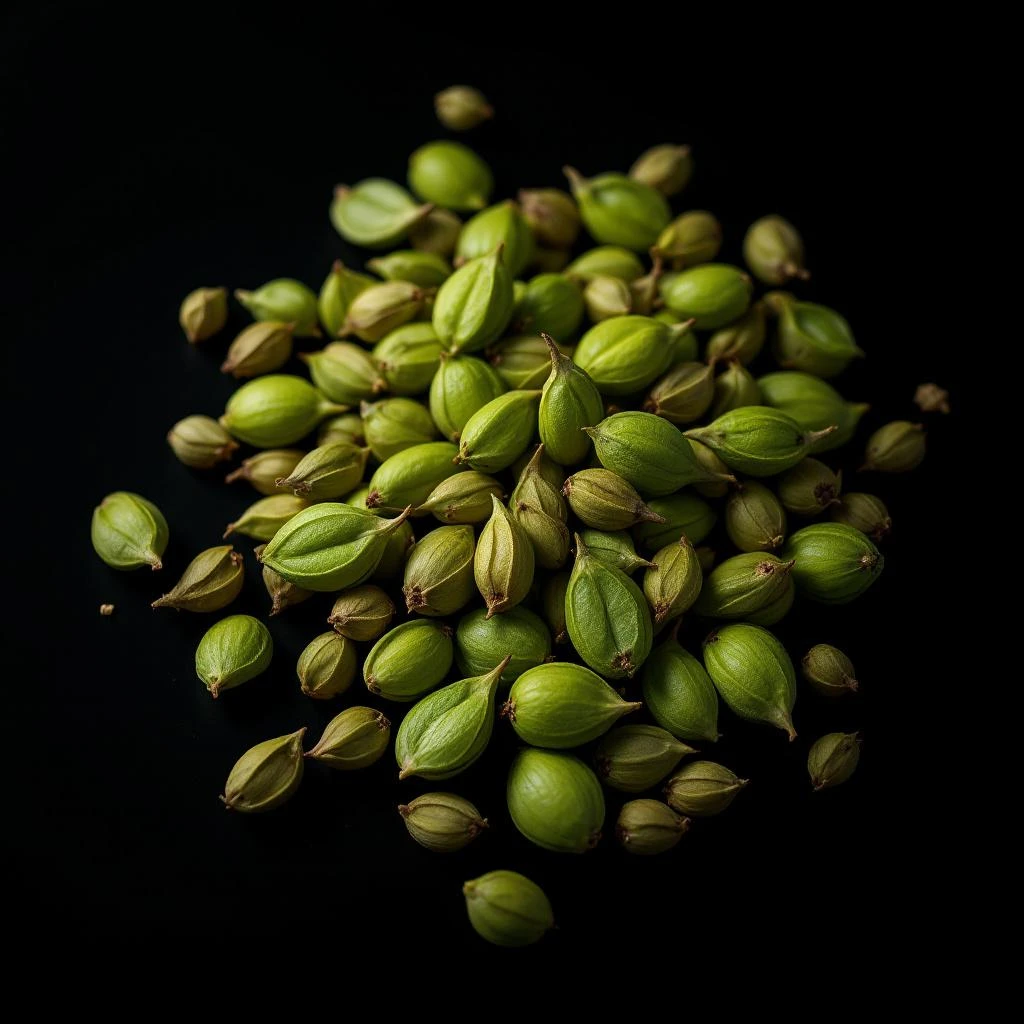
Origin
China
Calamondin (Citrus x microcarpa) traces its origins to China, where it was first documented alongside other citrus species. The fruit traveled westward to Europe only in the 19th century, arriving in France where perfumers began experimenting with its distinctive peel oil.
However, the species found its true botanical home in the Philippines and other Southeast Asian nations, where it became integral to local cuisine, medicine, and traditional practices. The Spanish colonial period spread the fruit throughout the Pacific islands.
In perfumery, calamondin remained a relatively obscure ingredient until recent decades, when artisan and niche fragrance producers sought distinctive citrus materials that offered more complexity than common orange or lemon oils. Today, small-scale production continues in the Philippines, Vietnam, and southern China, serving a growing demand for authentic, origin-specific citrus materials.
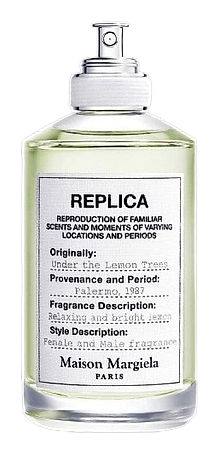
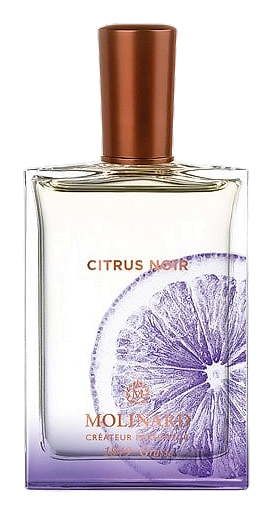
Wears it best
Fragrances featuring Calamondin

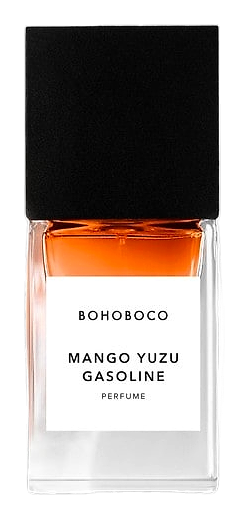
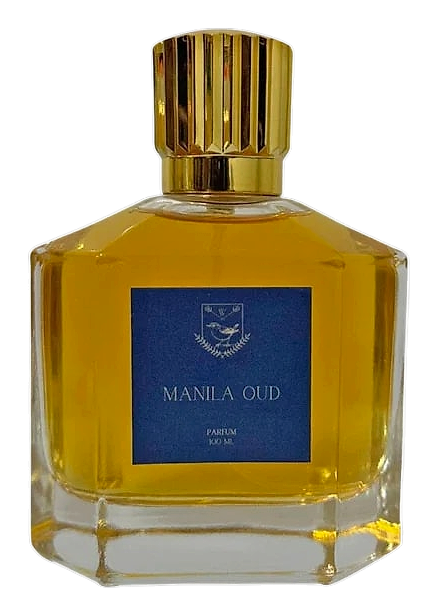
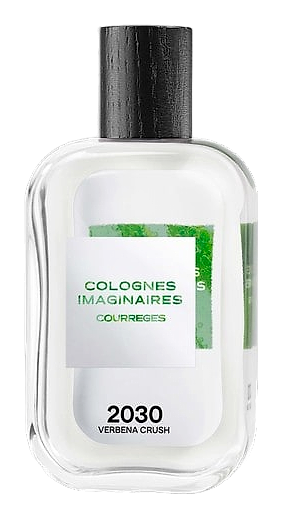
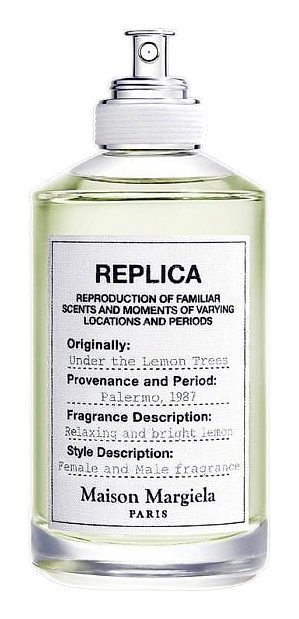
Brands
Brands known for Calamondin
Good to know
Questions, answered
The essentials on Calamondin in perfumery: how it smells, where it comes from, and how it behaves on skin.
What does Calamondin smell like in perfume?
Calamondin delivers a bright, tart citrus scent with green undertones and subtle floral notes. It combines the sharpness of lemon with softer, almost mandarin-like sweetness, creating a more nuanced citrus profile than single-note alternatives.
Is Calamondin oil natural or synthetic?
Calamondin oil is a natural ingredient extracted through cold pressing the fruit peel. The oil captures the full spectrum of volatile compounds present in the fresh fruit, making it a genuine botanical material.
What is the main chemical component in Calamondin oil?
Limonene dominates the composition, typically comprising 60-80% of the oil. Gamma-terpinene and linalool also contribute significant aromatic properties, with their exact ratios varying by growing region and harvest timing.
How does Calamondin compare to regular lemon or lime?
Calamondin offers more complexity than standard lemon or lime. While lemon is purely tart and sharp, Calamondin adds gentle floral notes and a softer, almost sweet quality that reads as more sophisticated in blended compositions.
Which countries produce Calamondin oil for perfumery?
The Philippines leads commercial production, followed by Vietnam and southern China. These regions provide the tropical climate and volcanic soil that produce Calamondin fruit with the highest aromatic compound concentration.
Can Calamondin be used in both men's and women's fragrances?
Yes. The ingredient's versatility allows it to function in masculine fragrances as a crisp top note and in feminine compositions as a bright, sparkling element. Unisex citrus chypres and colognes frequently incorporate it.
Does Calamondin oil have a long shelf life?
As a cold-pressed citrus oil, Calamondin has moderate stability. It typically retains optimal aromatic quality for 12-18 months when stored properly in cool, dark conditions away from air exposure.
Is Calamondin related to other common citrus perfume ingredients?
Calamondin is a hybrid of Citrus reticulata (mandarin) and Citrus japonica (kumquat). This lineage explains its distinctive combination of tartness and sweet floral character that distinguishes it from pure citrus species.