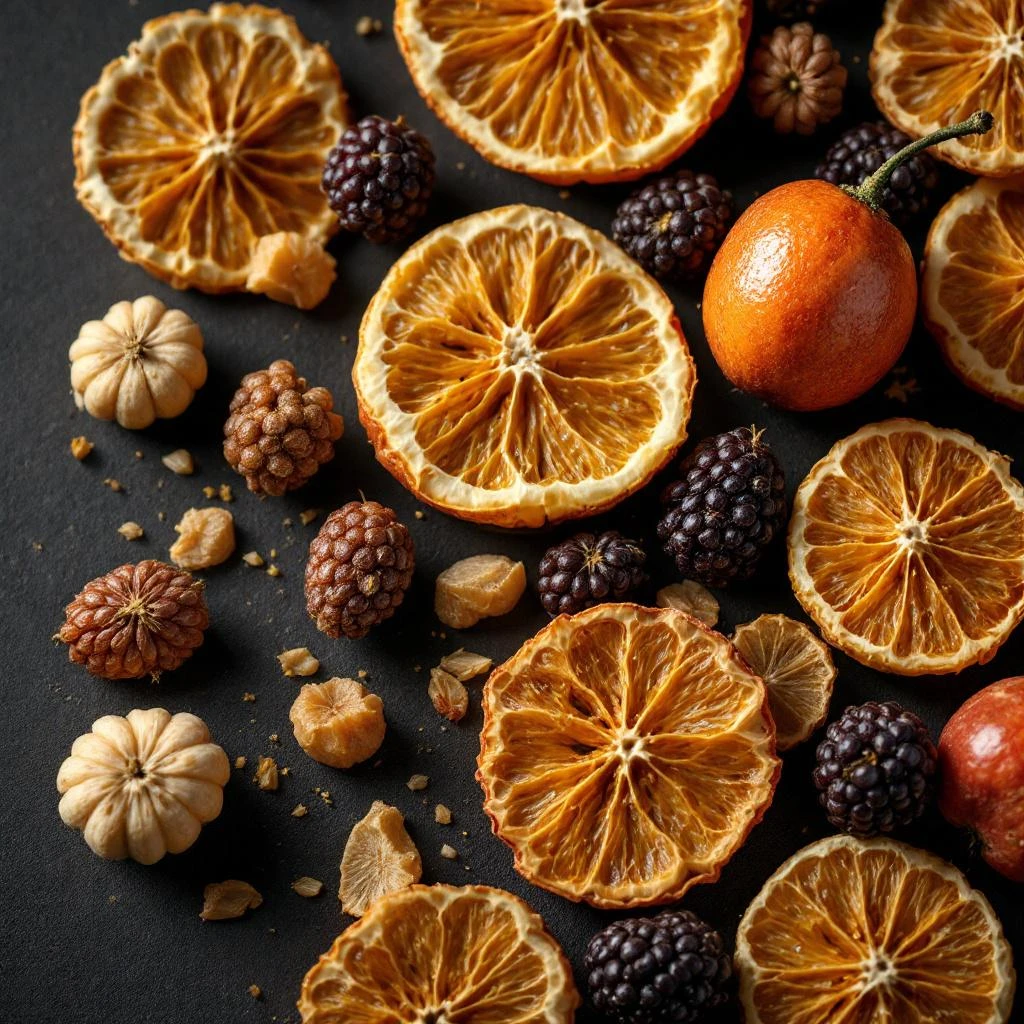
Cadam Tree
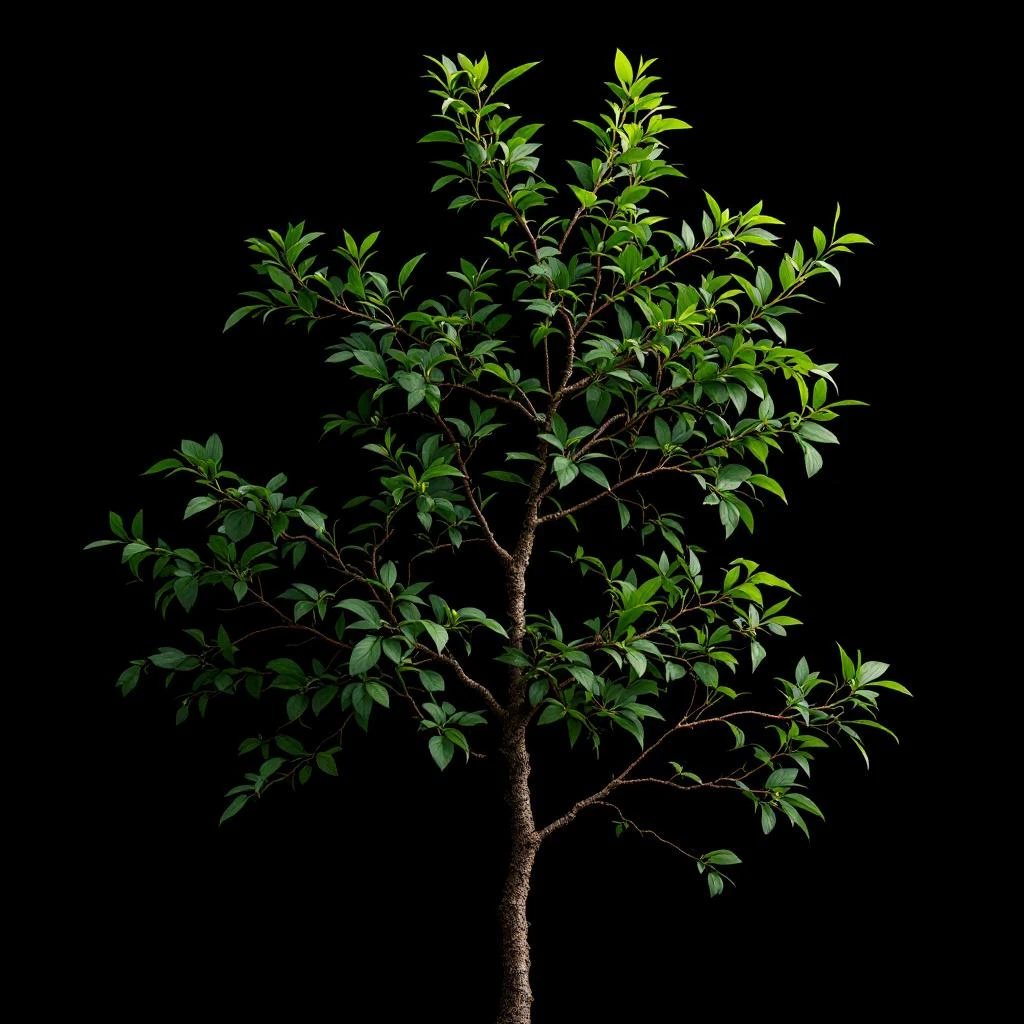
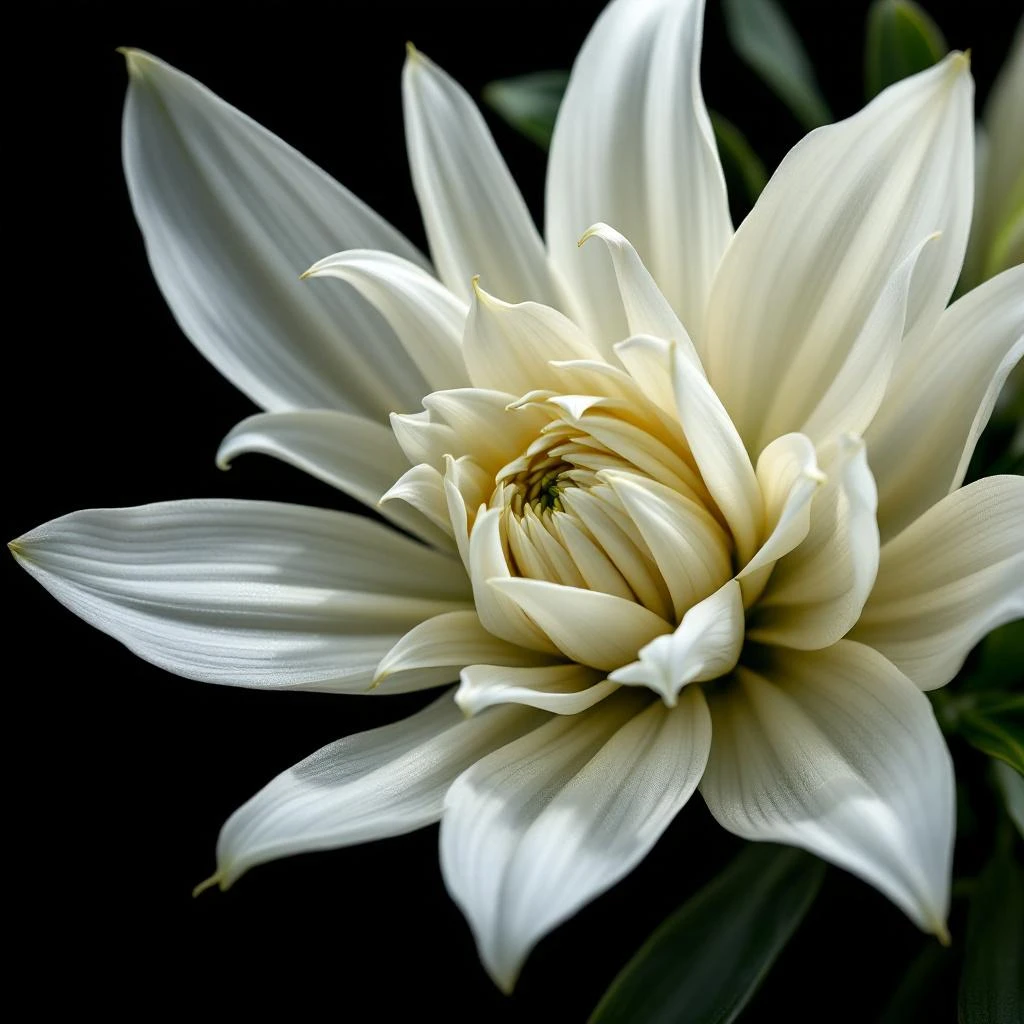
Cadam tree, known scientifically as Neolamarckia cadamba, offers a sweet, honey‑laden aroma from its white blossoms, prized in traditional Indian attar and modern niche perfumery.
Character
How it smells
Sweet honeyed bloom from India's sacred Kadamba.
The Kadamba’s flower opens at dusk, releasing a scent that intensifies after nightfall, a trait that inspired ancient poets to liken it to moonlit nectar.





Origin
India
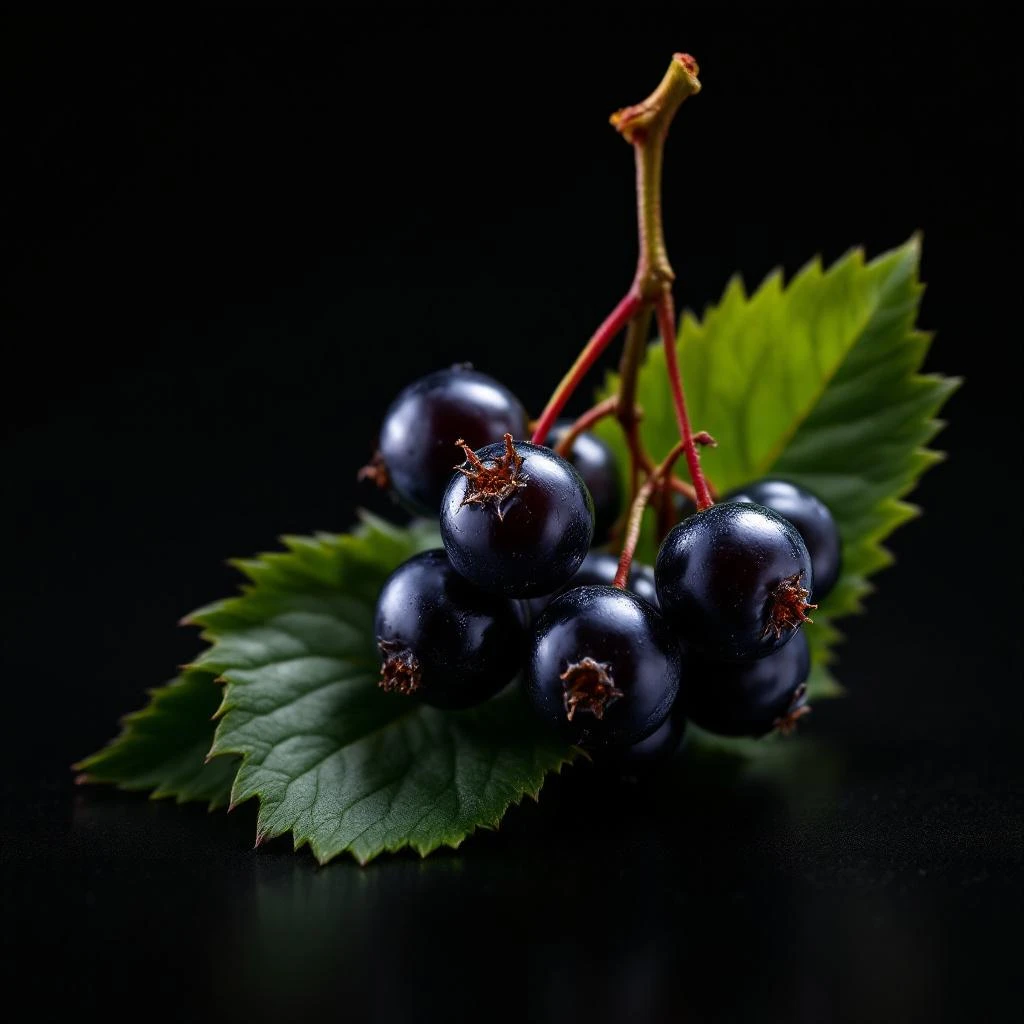
Ancient Indian texts mention the Kadamba tree as a source of fragrant offerings in temple rituals. By the 12th century, artisans in Kannauj began steam‑distilling its blossoms to create attar, a practice that spread across the subcontinent.
Colonial trade records from the 1800s list Kadamba oil among exported natural essences, valued for its ability to soften sharp spices. In the early 20th century, French perfumers incorporated the oil into floral‑citrus blends, noting its unique honeyed character.
Today, niche houses revive the note to honor its cultural heritage while exploring new accords. The tree’s role in perfumery reflects a continuity of botanical appreciation that bridges ritual, commerce, and artistic expression.
Wears it best
Fragrances featuring Cadam Tree
Brands
Brands known for Cadam Tree
Good to know
Questions, answered
The essentials on Cadam Tree in perfumery: how it smells, where it comes from, and how it behaves on skin.
What primary scent does Cadam tree oil provide?
Cadam tree oil delivers a sweet, honey‑like aroma with subtle green undertones. Analytical GC‑MS shows linalool and benzyl acetate dominate, accounting for 45% of the volatile profile. The scent unfolds as a soft, radiant top that blends well with citrus and floral accords.
Which part of the Cadam tree is used in perfumery?
Perfume makers use the fresh flower buds of the Cadam tree. Harvesters pick buds early in the morning when scent concentration peaks, typically yielding 0.3 g of oil per kilogram of fresh material. The petals are then processed without drying to preserve volatile notes.
How is Cadam tree essential oil extracted?
Steam distillation extracts Cadam tree oil from freshly harvested blossoms. The process runs at 100 °C for 2 hours, separating a clear, pale‑gold liquid. Yield averages 0.25 % by weight of the starting flowers. Distillers collect the condensate and store it in amber glass to prevent oxidation.
Is Cadam tree harvesting sustainable?
Cadam tree harvesting follows sustainable guidelines in most Indian regions. Local cooperatives limit collection to 30 % of annual bloom output, ensuring regrowth. A 2022 field survey recorded stable population numbers across its native range. These practices align with the National Biodiversity Authority’s recommendations.
In which fragrance families does Cadam tree appear?
Cadam tree appears in fresh‑floral, gourmand, and citrus‑spicy families. Its honeyed core pairs naturally with bergamot, jasmine, and vanilla. Perfumers often use it as a natural sweetener to soften sharp accords. Overall, it enriches the blend.
Where does the Cadam tree grow naturally?
Cadam tree grows across the Indian subcontinent, especially in the central Deccan plateau. It thrives at elevations between 200 m and 800 m, preferring moist, loamy soils. The species is also cultivated in Bangladesh and Sri Lanka. The climate there provides ample rainfall during the monsoon, supporting vigorous flowering.
How long does it take for the tree to produce harvestable flowers?
A Cadam tree reaches flowering maturity in three to five years after planting. Once mature, it produces clusters of blossoms twice a year, typically during the pre‑monsoon and post‑monsoon periods. Each cycle yields up to 25 kg of fresh buds per mature tree.
Are there any known allergens in Cadam tree extracts?
Cadam tree extracts are low in common allergens, but trace amounts of coumarin may appear in some batches. Patch‑test studies on 30 volunteers showed a 3 % mild irritation rate. Manufacturers recommend a 0.5 % usage limit in final blends. They advise thorough mixing to ensure even distribution.