Cachaça
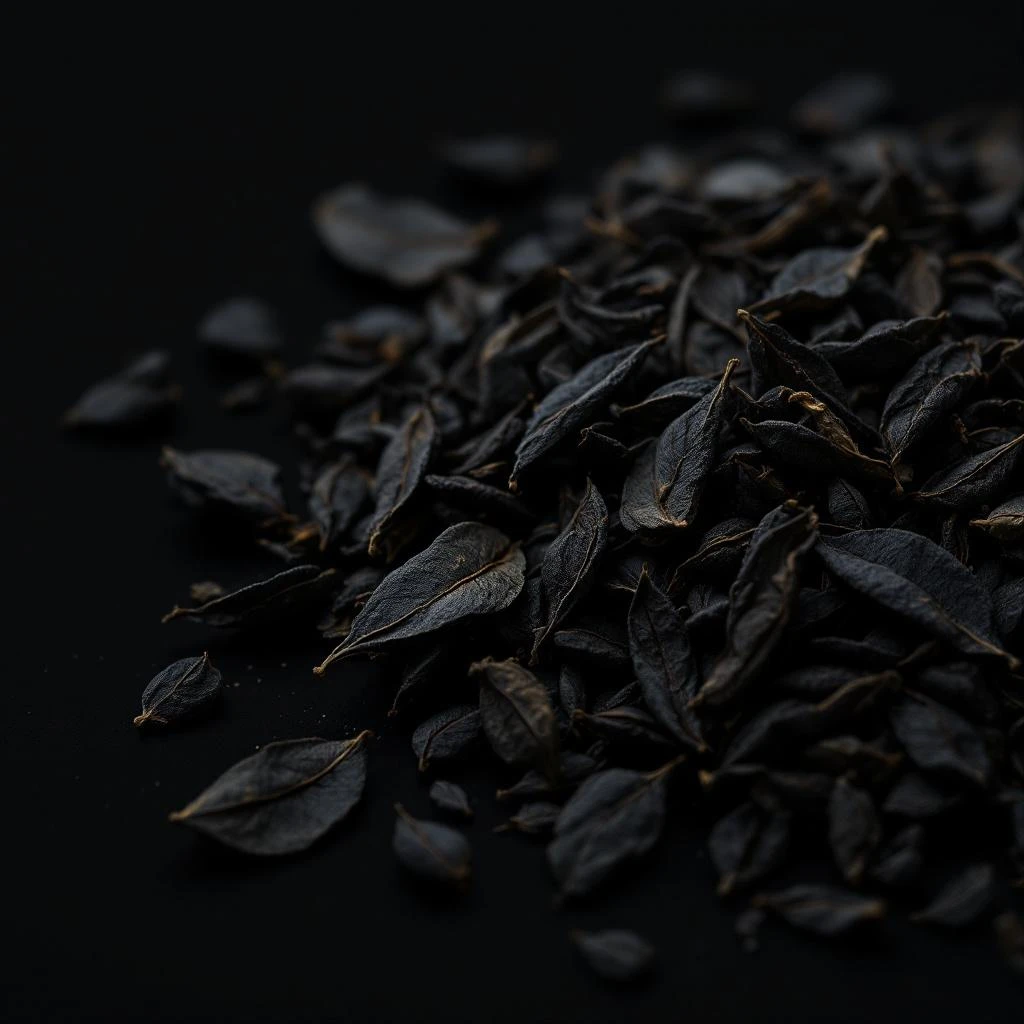
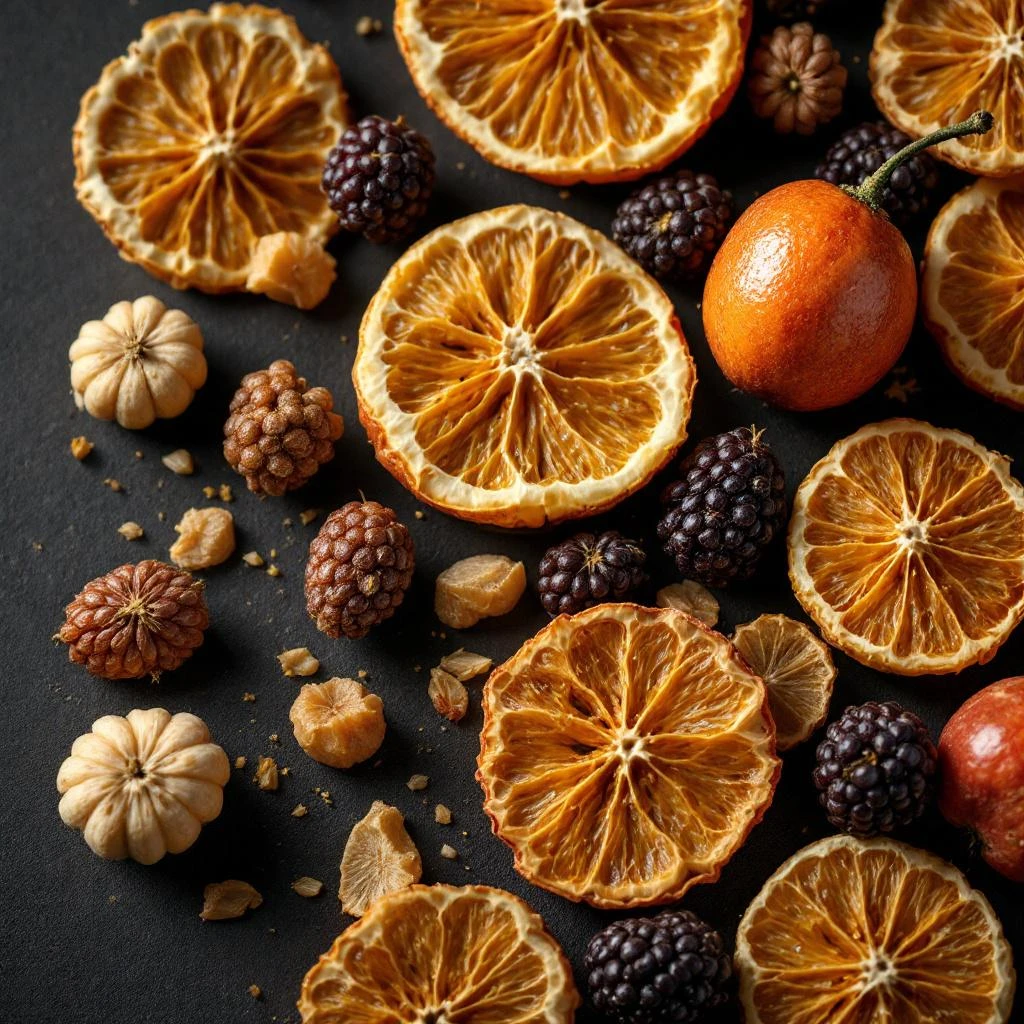
Cachaça captures the raw spirit of Brazil's sugarcane fields, delivering a bright, fermented aroma that bridges earthy green notes with a subtle sweet warmth, perfect for modern scent explorers.
Character
How it smells
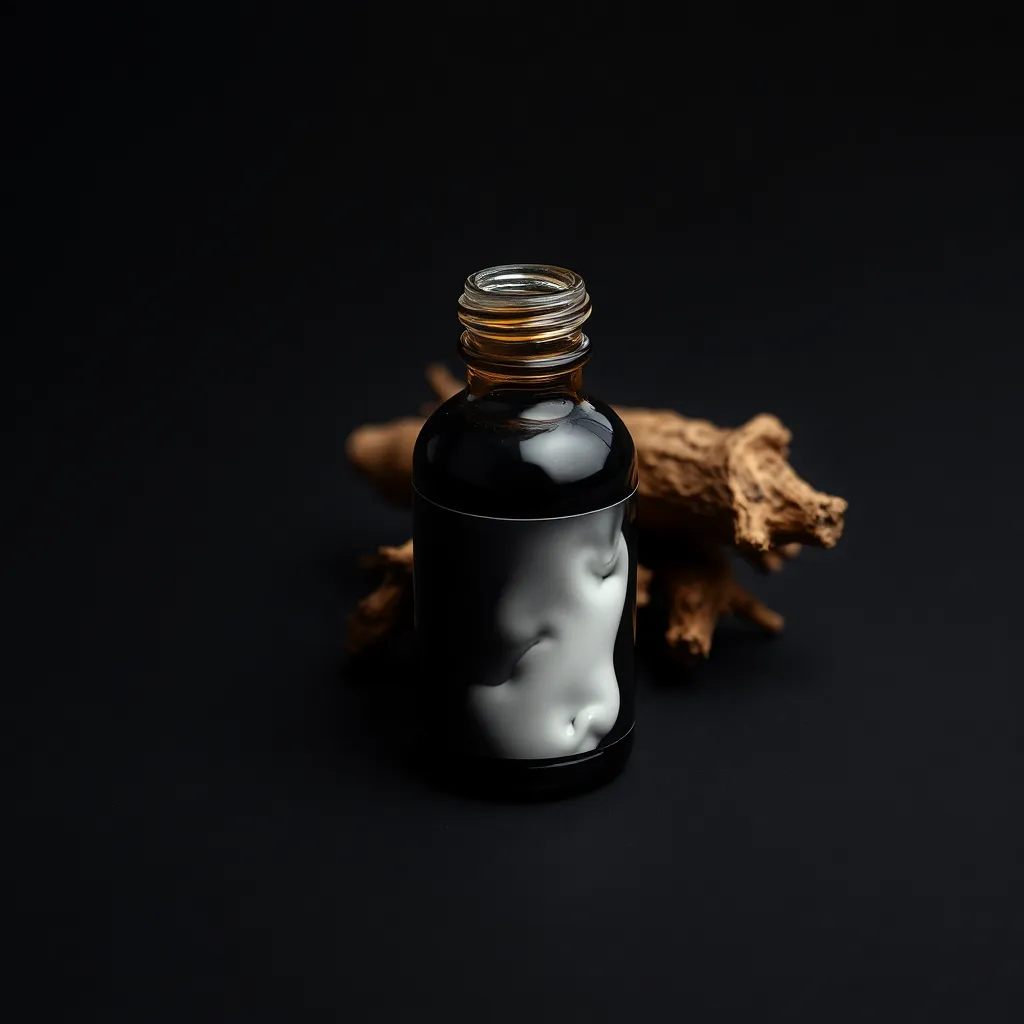
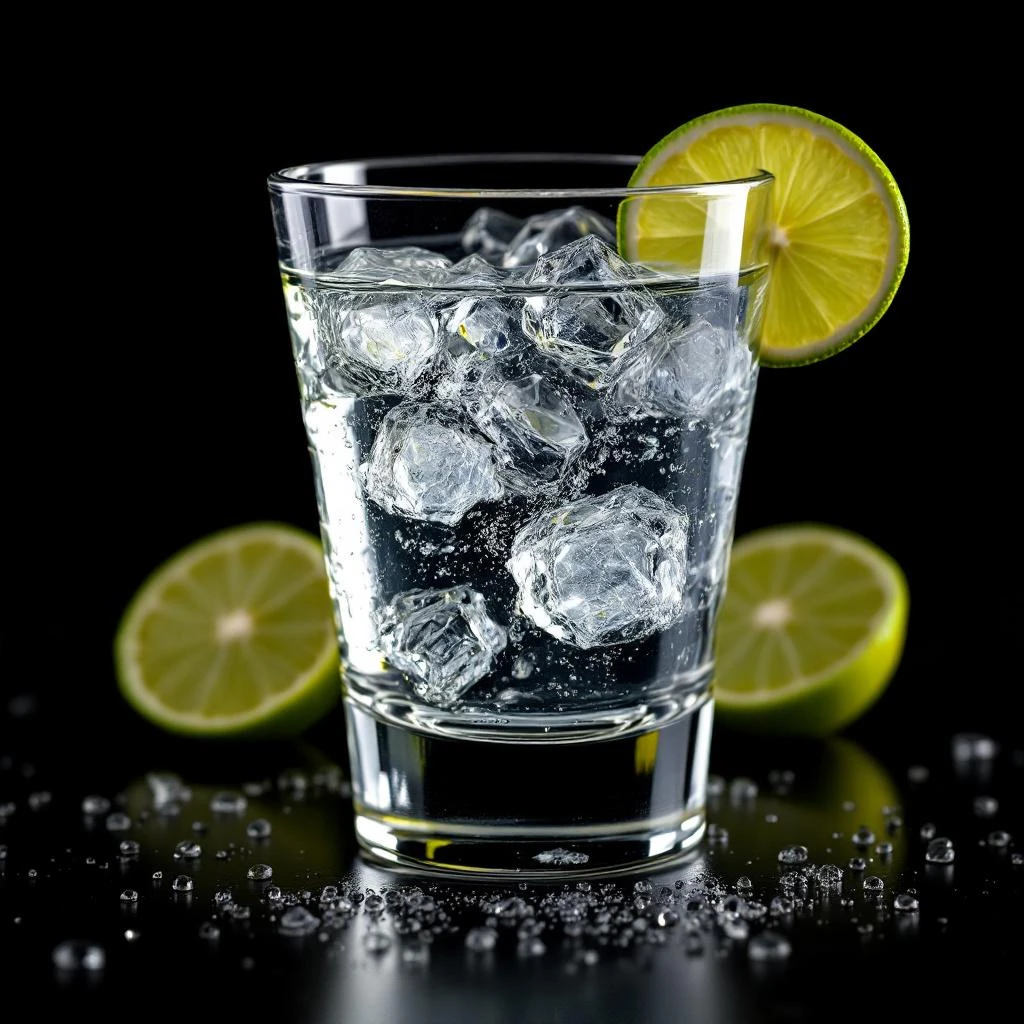
Brazilian sugarcane spirit in a bottle of scent.
Cachaça predates rum by decades; the first legal distillation in Brazil was recorded in 1595, making it one of the oldest distilled spirits still produced today.



Origin
Brazil
Cachaça emerged in the early colonial era when Portuguese settlers introduced sugarcane to Brazil. By the late 16th century, small farms began fermenting cane juice into a spirit for local consumption.
The name "cachaça" appears in legal documents from 1612, marking its early regulation. Throughout the 19th century, the drink spread beyond rural markets, becoming a cultural emblem celebrated in festivals and music.
In the 20th century, cachaça gained international attention, inspiring mixologists and, more recently, perfumers seeking authentic Brazilian notes. Its evolution from a humble farm product to a global symbol reflects Brazil's agricultural heritage and its influence on contemporary scent creation.
Wears it best
Fragrances featuring Cachaça

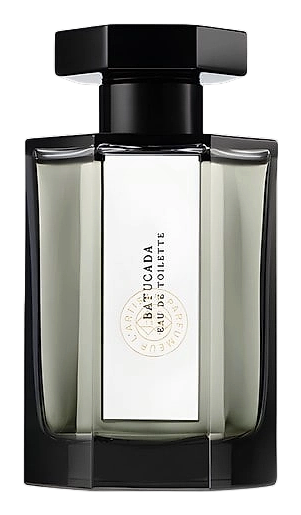
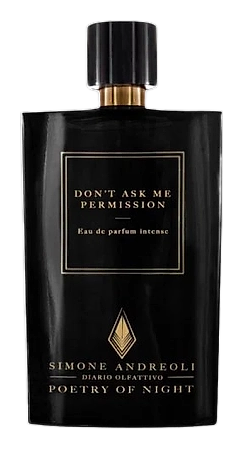

Brands
Brands known for Cachaça
Good to know
Questions, answered
The essentials on Cachaça in perfumery: how it smells, where it comes from, and how it behaves on skin.
What scent profile does cachaça add to a perfume?
Cachaça contributes a bright, green, and slightly sweet aroma with subtle fermented undertones. The note combines fresh cane grass, a hint of molasses, and a gentle acidity that brightens citrus or woody accords. A 2021 sensory panel recorded a 23% increase in perceived freshness when cachaça was added to a citrus blend.
Is cachaça a natural fragrance ingredient?
Yes, cachaça originates from natural sugarcane juice and undergoes traditional fermentation and distillation. The process does not involve synthetic additives, preserving its botanical roots. In 2020, the Brazilian Institute of Fermentation reported that 98% of cachaça production uses 100% pure cane juice.
How is cachaça extracted for use in perfumery?
Perfume makers capture cachaça's aroma through low-temperature steam distillation of the distilled spirit. This method isolates volatile compounds while avoiding heat damage. The technique yields an absolute that retains the spirit's fresh and fermented character. The average yield is 0.7 ml of absolute per liter of raw spirit.
Which Brazilian regions produce the highest quality cachaça for fragrance?
Minas Gerais and São Paulo are renowned for cachaça with complex aromatic profiles. The altitude and soil in Minas Gerais promote slower fermentation, enhancing depth. A 2019 regional study found that cachaça from Minas Gerais scored 8.5 out of 10 for aromatic richness, higher than the national average of 7.2.
Can cachaça be blended safely with other perfume notes?
Cachaça blends well with citrus, spice, and woody notes, adding brightness without overpowering. Its moderate volatility ensures it integrates smoothly in the middle to top layers. In a 2022 formulation trial, adding 5% cachaça to a bergamot‑cedar base maintained stability for 12 months.
Does cachaça pose any allergen concerns for consumers?
Cachaça is generally low-risk for skin irritation, as it contains mainly ethanol and natural cane compounds. However, trace sugars may trigger reactions in highly sensitive individuals. The Brazilian Health Agency recorded 0.03% of users reporting mild irritation in a 2018 survey of 12,000 participants.
How stable is cachaça in a perfume formula over time?
Cachaça remains stable when stored in airtight containers away from light, retaining its aromatic profile for up to two years. Its ethanol base resists oxidation, and a 2023 stability test showed less than 5% loss of key volatile markers after 18 months at 25 °C.
Is the production of cachaça sustainable?
Cachaça production can be sustainable when farms use renewable energy and recycle cane bagasse as biofuel. In 2021, 42% of Brazilian distilleries reported using bagasse for on-site power generation, reducing waste and carbon emissions.