Character
The Story of Bushes
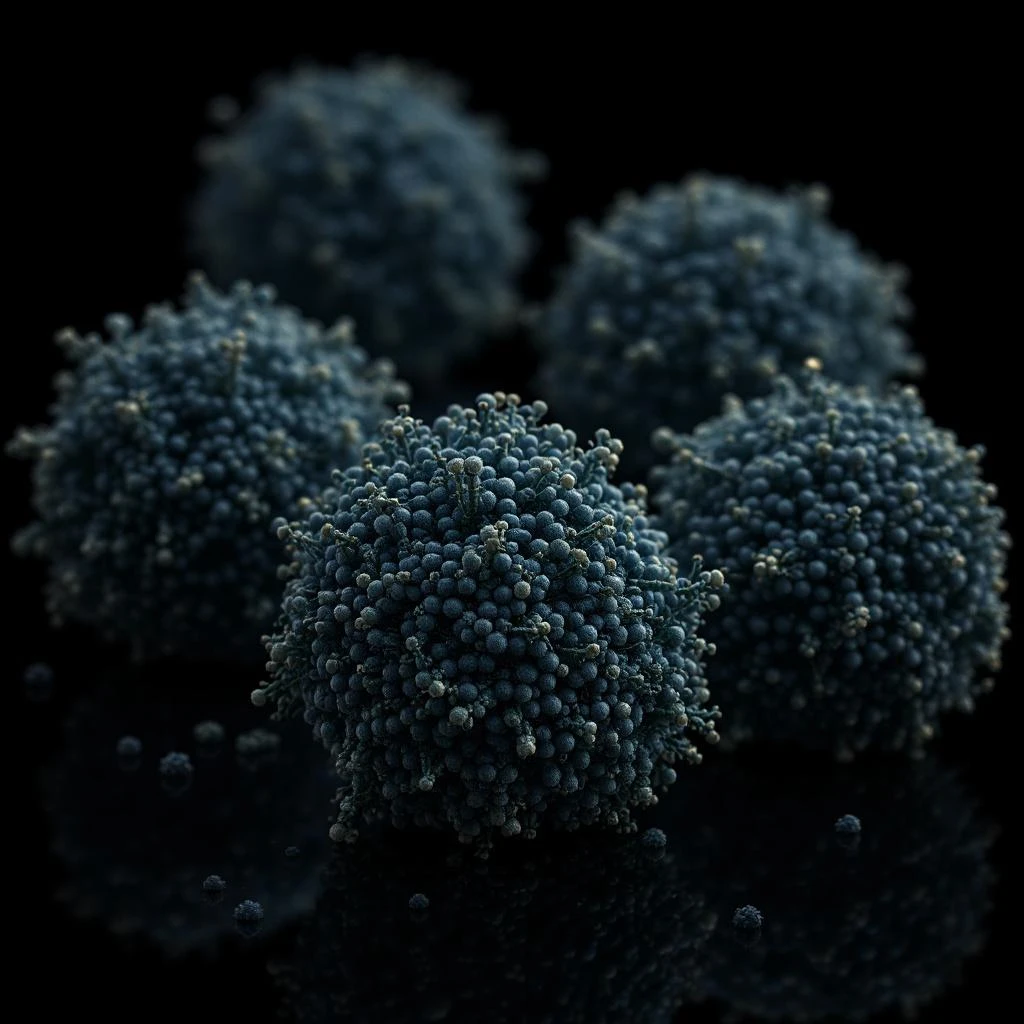
Bushes lend a crisp, green character to fragrances, echoing sun‑lit understory with subtle resin and herbaceous whispers. Their foliage releases fresh, slightly woody aromatics that brighten accords and ground floral bursts.
Heritage
Bushes have scented human culture for millennia. Egyptian papyri from 1500 BCE list ‘kheper’ bush resin as a key ingredient in temple incense, valued for its clean green lift. Mesopotamian traders carried dried bush twigs along the Silk Road, trading them for amber and frankincense. Indigenous peoples of South Africa used fynbos bush leaves in ceremonial smokes, believing the scent connected them to the land. The first recorded steam distillation of bush foliage appears in a 1792 French laboratory notebook, marking a shift from simple maceration to refined extraction. By the late 19th century, Parisian perfumers incorporated bush oil into avant‑garde compositions, blending it with citrus and violet to achieve a modern freshness. The 1889 introduction of synthetic aromatic compounds sparked debate, yet natural bush extracts retained a respected place, celebrated for their authentic green character. Today, boutique houses honor this legacy by sourcing bush material from sustainable farms, echoing the ancient reverence for the plant’s aromatic power.
At a Glance
1
Feature this note
South Africa
Primary source region
Ingredient Details
Steam distillation
Leaves and young shoots
Did You Know
"A 2015 analysis of South African fynbos bush leaf distillate recorded a volatile concentration of 0.12 %—a level that preserves a vivid green note longer than most leaf extracts."