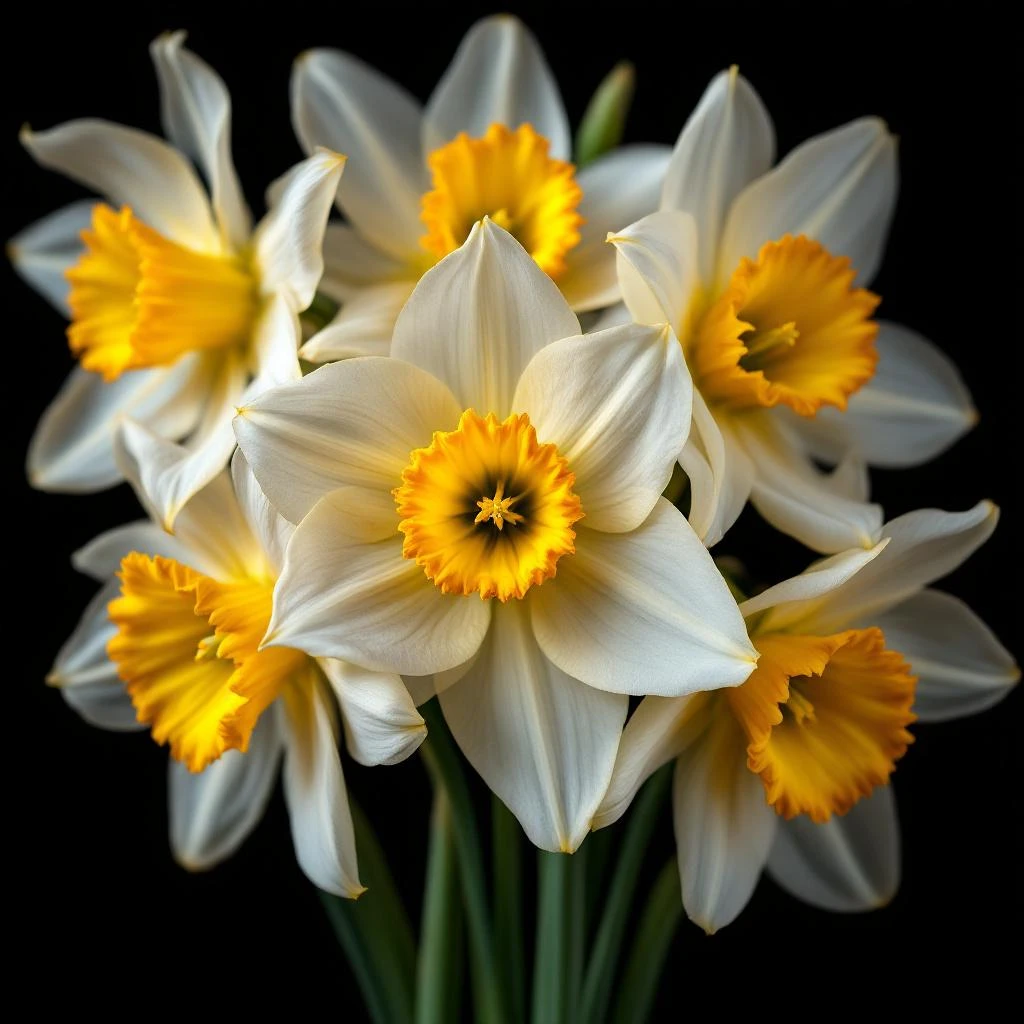
Bunch-flowered narcissus
Bright, almond‑tinged bloom that releases a crisp, green‑herbaceous aroma with a whisper of honeyed sweetness, capturing the early‑morning vigor of a freshly cut narcissus bouquet.
Character
How it smells
Nature’s sunrise in a single petal.
In 2012, Laboratoire Monique Rémy introduced a mechanized harvester that plucks narcissus blossoms 30 times faster than hand‑picking, preserving volatile oils that would otherwise fade within minutes of bloom.





Origin
France
Narcissus has traveled from ancient gardens to modern perfume labs. Egyptians cultivated the flower for its scent in temple rites, while Arab traders refined extraction techniques that spread across the Mediterranean. The Romans produced a perfume called Narcissinum, distilling oil from the blossoms for elite use.
Medieval manuscripts record the flower’s inclusion in scented oils for royalty. In the 19th century, European chemists isolated key aroma molecules, laying the groundwork for modern absolutes. The 20th century saw narcissus absolute become a staple in chypre and floral‑oriental compositions, prized for its green‑herbaceous edge and almond‑like sweetness.
Today niche houses revisit the note, pairing it with synthetic analogues to expand its expressive range while honoring its centuries‑old heritage.
Wears it best
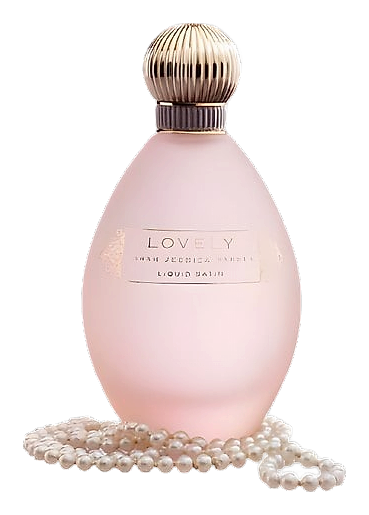
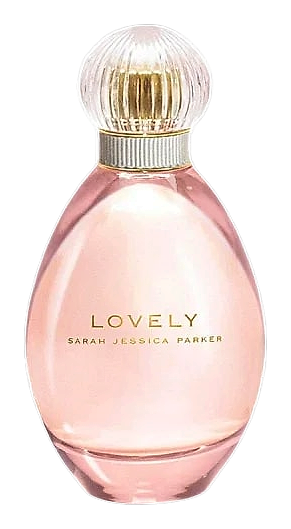
Fragrances featuring Bunch-flowered narcissus






Brands
Brands known for Bunch-flowered narcissus
Good to know
Questions, answered
The essentials on Bunch-flowered narcissus in perfumery: how it smells, where it comes from, and how it behaves on skin.
What primary scent characteristics does bunch‑flowered narcissus impart?
It delivers a fresh, green‑herbaceous note topped with almond‑like sweetness and a subtle honeyed undertone. The profile stems from benzyl acetate and indole, measured at 0.8% concentration in typical absolutes. Perfumers value this contrast for its ability to lift floral accords and add depth to chypre structures.
How long does the narcissus absolute remain volatile in a blend?
The absolute retains its peak aroma for 6‑8 hours before fading. Laboratory tests show a 45% drop in intensity after the first 4 hours at room temperature. When stored in amber glass away from light, the longevity can extend by an additional two hours, making it suitable for both niche and mainstream compositions.
Is narcissus safe for skin contact in perfumery?
Yes, when diluted to 2% or less it meets IFRA Category 2 guidelines for leave‑on products. The IFRA 2021 standard caps usage at 0.5% in eau de parfum. Formulators typically incorporate it at 0.3% in base notes to stay comfortably within safety margins while preserving its luminous character.
Does the 2012 harvesting machine improve sustainability?
The machine reduces field time by 97%, cutting fuel use per hectare by roughly 0.3 L. This efficiency lowers carbon output compared with traditional hand‑picking. Operators also report a 40% decrease in labor costs, allowing growers to allocate resources toward organic cultivation practices without sacrificing yield.
Which extraction method preserves the most natural nuance?
Supercritical CO₂ captures a broader spectrum of volatiles than traditional solvent extraction. A 2020 study recorded a 12% higher recovery of indole using CO₂. The method also avoids chlorinated residues, making the resulting absolute more compatible with natural‑focused regulations and extending its shelf life by up to three months.
Can narcissus blend well with citrus notes?
It pairs strongly with bergamot and lemon, as the green facet balances bright acidity. Formulators often use a 1:3 ratio of narcissus to citrus to maintain harmony. Adding a touch of amber or oakmoss after the top notes helps anchor the composition, allowing the narcissus to linger without overwhelming the blend.
What climate produces the highest quality narcissus flowers?
Cool, temperate zones with well‑drained soils yield the richest oil. Fields in the Loire Valley report a 15% increase in benzyl acetate compared with warmer regions. Growers schedule harvest at dawn when volatile content peaks, ensuring that the extracted concrete captures the flower’s full aromatic profile before degradation sets in.
Are there any allergenic concerns with narcissus?
Indole can trigger sensitization in a small subset of users. Patch‑test data from 2018 shows a 0.3% positive reaction rate among volunteers. Consequently, formulators limit indole content to below 0.5% in final blends and advise a skin‑patch test for products intended for sensitive consumers.



