
    Ingredient Profile

    Bulgarian Lavender fragrance note

    Bulgarian lavender absolute

    Bulgarian lavender is prized for its intense, multi-layered floral sweetness with a clean, herbaceous finish. It dominates global production…More

    Bulgaria

    4

    Fragrances

    Fragrances featuring Bulgarian Lavender

    4

    Character

    The Story of Bulgarian Lavender

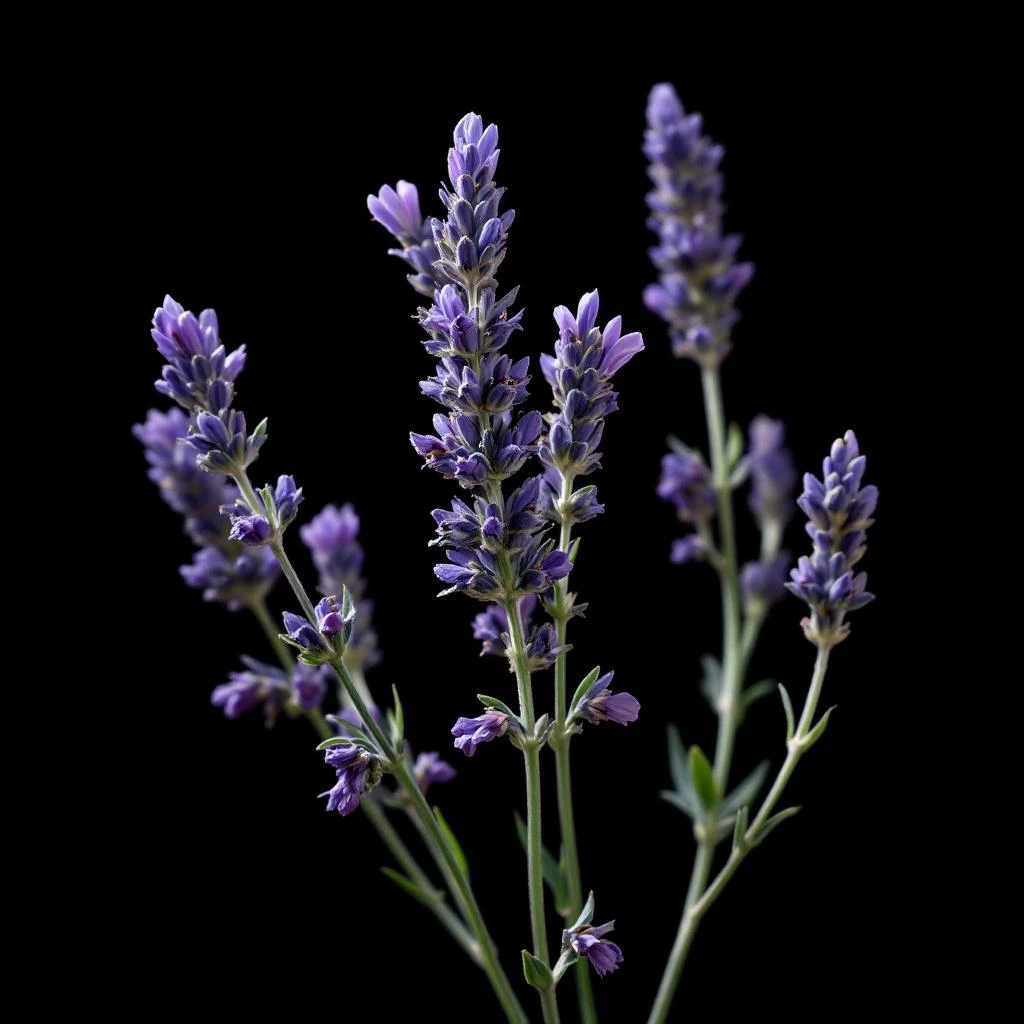
    Bulgarian lavender is prized for its intense, multi-layered floral sweetness with a clean, herbaceous finish. It dominates global production, supplying the fine fragrance industry with its signature roundness.

    Heritage

    Lavender has been used as a perfume and incense ingredient since ancient Egypt, and by the eighteenth century it had become a cornerstone of Europe's burgeoning perfumery trade. Bulgaria's near-century-long tradition in lavender cultivation began to take shape in the early twentieth century, accelerating through the latter half of the century as state agricultural programs promoted essential oil production. The country's lavender industry expanded rapidly in the 1990s and 2000s as producers adopted modern farming techniques and disease-resistant varieties. Bulgaria overtook France as the world's leading lavender oil producer in the early 2010s, a shift driven partly by disease problems that ravaged French lavender crops. Today Bulgaria grows approximately 40,000 acres of lavender, supplying the majority of the world's fine fragrance industry.

    At a Glance

    Fragrances

    4

    Feature this note

    Origin

    Bulgaria

    Primary source region

    Ingredient Details

    Extraction

    Steam distillation

    Used Parts

    Flower spikes and stems

    Did You Know

    "Bulgaria now grows roughly 40,000 acres of lavender, surpassing France as the top producer in the early 2010s and supplying most of the world's fine fragrance houses."

    Pyramid Presence

    Top
    3
    Heart
    1

    Production

    How Bulgarian Lavender Is Made

    Bulgaria's lavender production centers on steam distillation of fresh floral spikes harvested at peak bloom in early July. Large-scale cooperative farms across the Rose Valley region operate modern continuous still systems alongside traditional copper vessels. The country's near-century-long tradition in Lavandula angustifolia cultivation means farmers have refined harvest timing to maximize linalool and linalyl acetate content. Processing happens within hours of cutting to preserve volatile aromatics, with oil yields averaging 20-30 kg per hectare depending on plant maturity and seasonal conditions. Bulgarian producers export roughly 90 percent of output to France, Germany, Australia, and the United States, making the country the primary supplier for the global fine fragrance industry.

    Provenance

    Bulgaria

    Bulgaria42.5°N, 25.5°E

    About Bulgarian Lavender