Borage
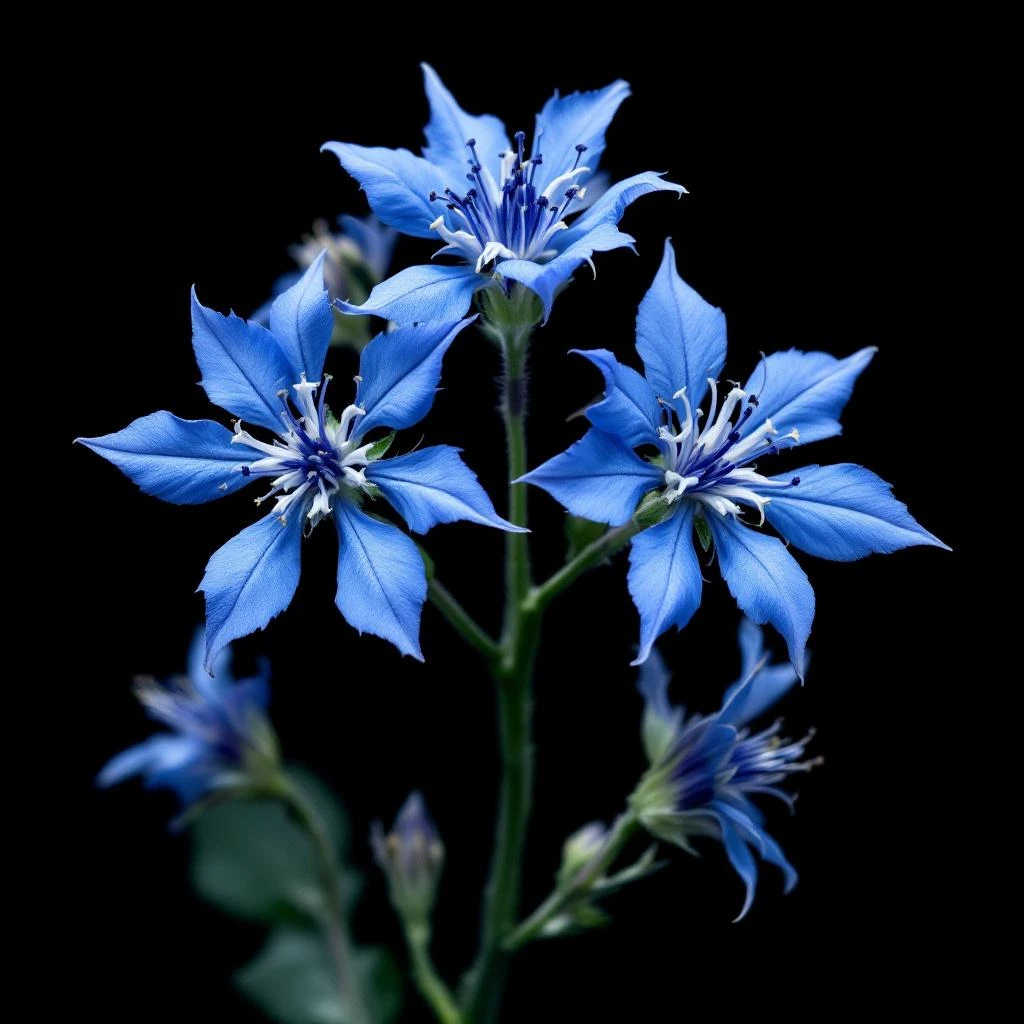
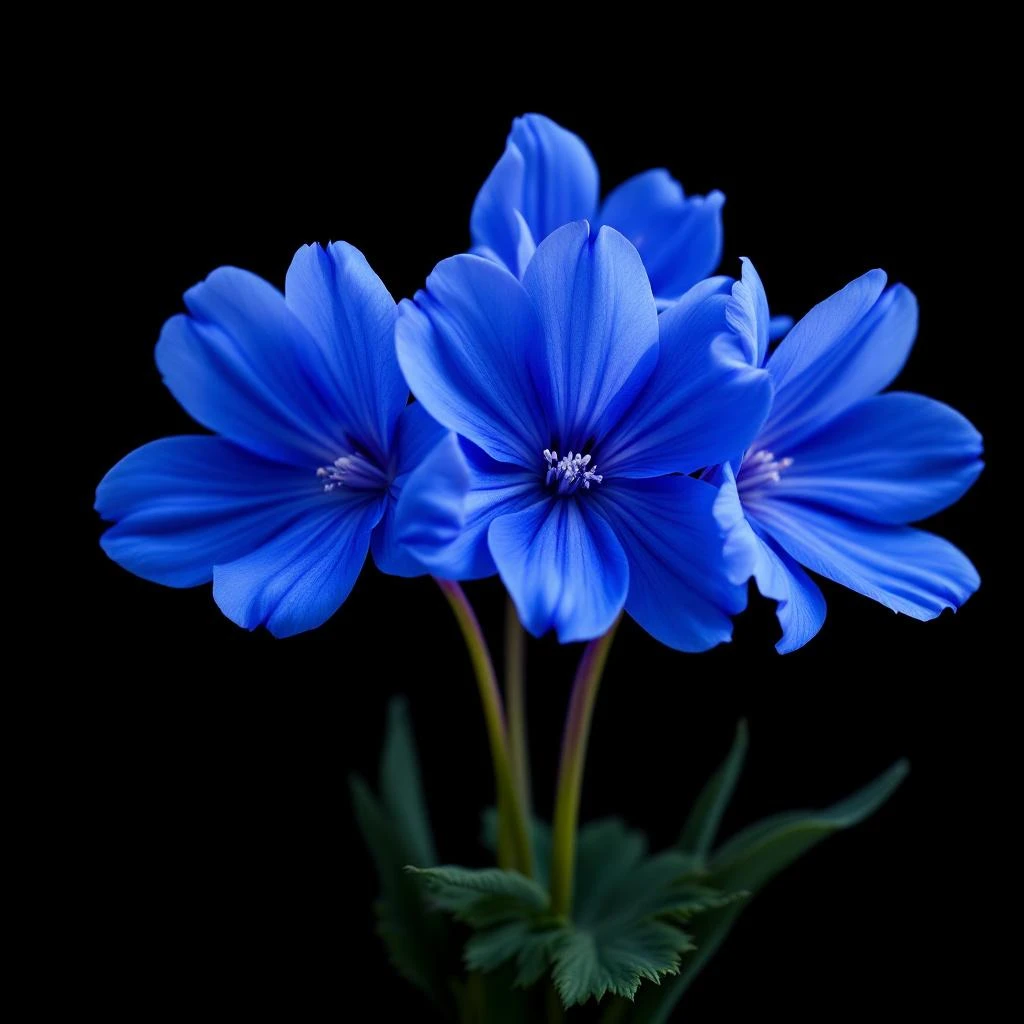
Borage, the star‑shaped herb of Mediterranean fields, offers a crisp cucumber‑green aroma that brightens modern blends while echoing ancient gardens.
Character
How it smells
Crisp cucumber green from the starflower’s heart.
Borage seed oil holds the highest natural concentration of gamma‑linolenic acid among culinary oils, reaching up to 24 % of its fatty‑acid profile.






Origin
Greece
Ancient Greek physicians recorded borage as a cooling herb, praising its ability to soothe heat and inflammation. Roman texts later listed the plant among “herbs of the garden” for its fragrant leaves, which were pressed to produce a mild aromatic water for bathing. Medieval herbals, such as the 13th‑century “Tractatus de Herbis”, described borage’s “fresh scent of cucumber” and recommended it for aromatic poultices.
By the 19th century, the rise of organic chemistry allowed perfumers to isolate its volatile oils, and French ateliers began experimenting with borage as a top‑note in green fragrances. The first documented perfume featuring borage appeared in 1887, marketed as a “summer garden” scent for aristocratic salons. Throughout the 20th century, the note remained niche, prized by avant‑garde creators who valued its natural crispness over synthetic green accords.
Today, borage bridges historic herbal medicine and contemporary fragrance design, embodying a lineage that spans Mediterranean gardens to modern perfume labs.
Wears it best
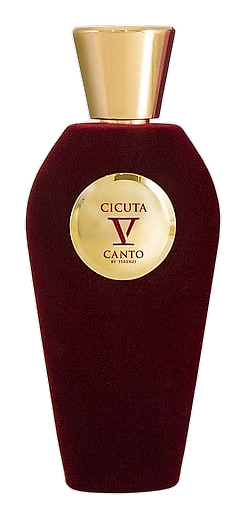
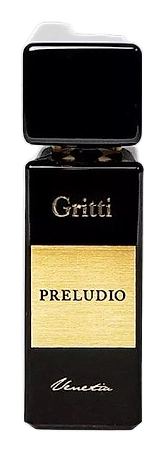
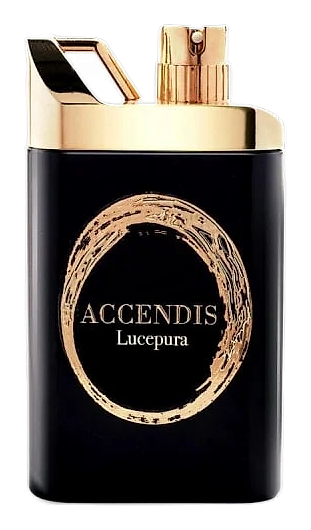
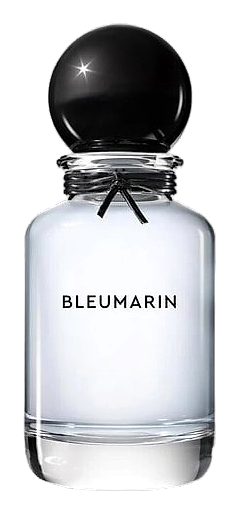
Fragrances featuring Borage
Good to know
Questions, answered
The essentials on Borage in perfumery: how it smells, where it comes from, and how it behaves on skin.
What scent profile does borage contribute?
Borage adds a fresh, watery cucumber note with subtle herbaceous undertones. The aroma registers as bright and slightly sweet, reminiscent of early‑morning garden dew. A sensory panel in 2019 rated its green intensity at 7.2 on a 10‑point scale in professional evaluations.
How is borage essential oil extracted?
Steam distillation captures borage’s volatile oils from freshly harvested leaves. The process runs at 100 °C for 2‑3 hours, separating oil from water in a copper still. In 2021, a French laboratory reported an average oil recovery of 0.48 % by weight under controlled pressure.
What is the typical yield of borage oil?
Borage yields a modest amount of essential oil, typically between 0.4 % and 0.6 % of fresh plant mass. A 2020 pilot study in Spain measured a peak yield of 0.58 % from leaves harvested at full bloom. The low yield drives its premium status.
Where does borage originate?
Borage is native to the Mediterranean basin, thriving in sun‑lit hillsides of Greece and surrounding countries. The plant’s wild populations cluster around 38° N latitude and 23° E longitude, the coordinates of its historic heartland. Today, Greece supplies over 60 % of the world’s cultivated borage for perfumery.
Which compound gives borage its green note?
The cucumber‑green scent of borage stems from the aldehyde (E)-2‑hexenal, a volatile compound also found in fresh cucumber. Analytical GC‑MS data from 2018 recorded (E)-2‑hexenal at 1.2 µg g⁻¹ in distilled borage oil. This molecule drives the herbaceous character prized by formulators.
Is borage safe for skin application?
Borage oil is generally safe for topical use, but raw extracts contain pyrrolizidine alkaloids that can irritate sensitive skin. The European Cosmetic Ingredient Database lists a maximum safe concentration of 0.5 % for raw borage absolute. Proper refinement removes most alkaloids, ensuring compliance with safety standards.
How long does borage oil retain its aroma?
Borage essential oil retains its fresh green character for up to 18 months when stored in amber glass away from heat. A stability test conducted in 2017 showed a 12 % decline in (E)-2‑hexenal after 24 months under light exposure. Proper packaging extends its aromatic life.
Which perfume families most often feature borage?
Perfume families that favor borage include aromatic‑green and fresh‑citrus compositions, where its cucumber note lifts bright accords. In 2015, a leading niche house launched a fragrance where borage formed the top‑note of a garden‑inspired blend. Its crispness pairs well with bergamot, rosemary, and violet leaf.