Character
The Story of Blue Camomile
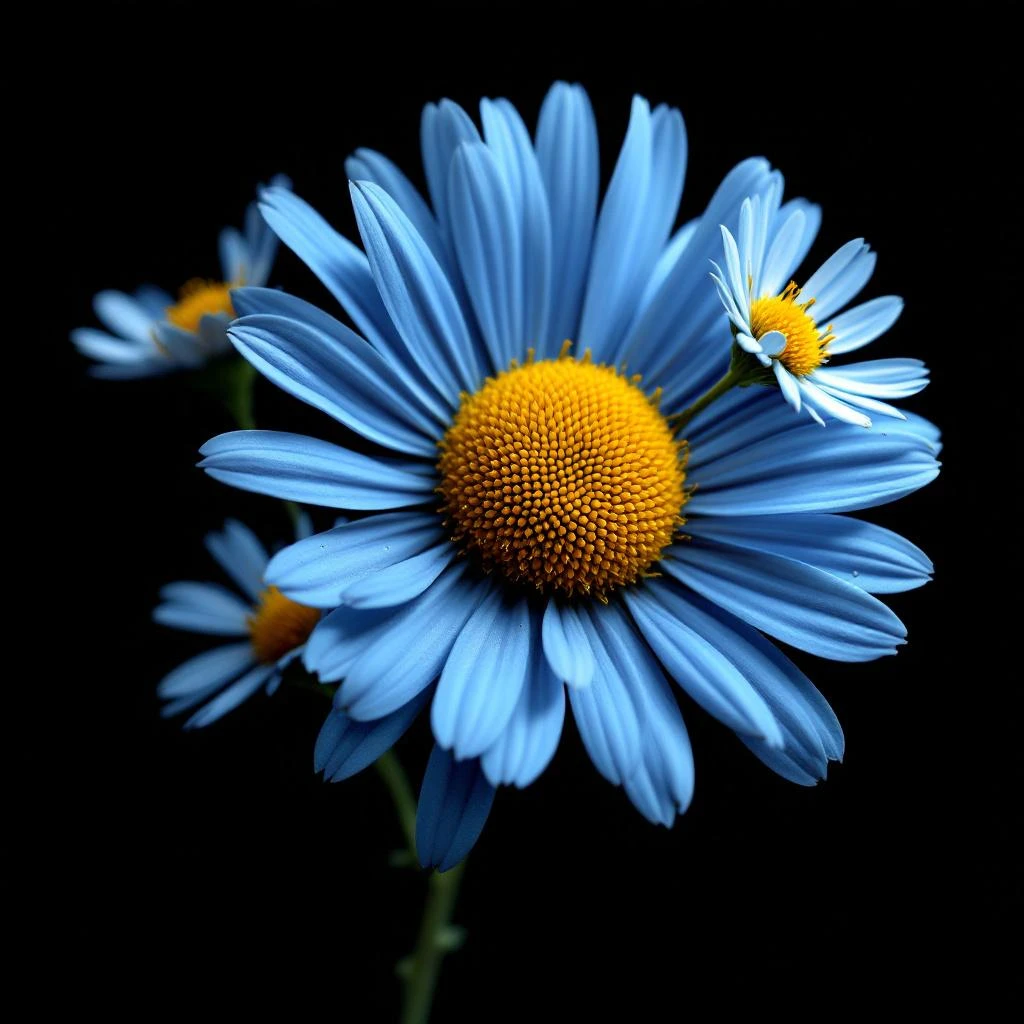
Blue Camomile (Matricaria chamomilla) yields a deep blue essential oil via steam distillation of dried flower heads. Its signature color comes from chamazulene, a potent anti-inflammatory compound formed during extraction. The oil carries an herbaceous, sweet hay, and coumarin-like character that perfumers value for adding rustic warmth to compositions. Egyptian cultivation produces some of the world's finest grades.
Heritage
Matricaria chamomilla is native to southern and eastern Europe but has naturalized across nearly every continent. The plant earned its botanical name from the Latin 'matrix,' referencing its historical use in treating gynecological complaints. Ancient Egyptians considered chamomile sacred, employing it in remedies for cramps, fever, and skin inflammation. The common name traces to the Greek 'chamaimelon,' meaning earth apple, inspired by the apple-like fragrance released when walking among the plants. European monastic gardens cultivated chamomile extensively through the Middle Ages as a cure-all tonic, while Victorian English gardens featured chamomile paths designed for fragrant footfalls. Today, Egypt remains the primary source of true Blue Camomile oil, carrying forward cultivation techniques refined across millennia.
At a Glance
1
Feature this note
Egypt
Primary source region
Ingredient Details
Steam distillation
Dried flower heads
Did You Know
"It takes roughly one ton of chamomile flowers to produce just 4 kilograms of fragrance concrete, making this a precious natural material."