Bleeding-heart flower
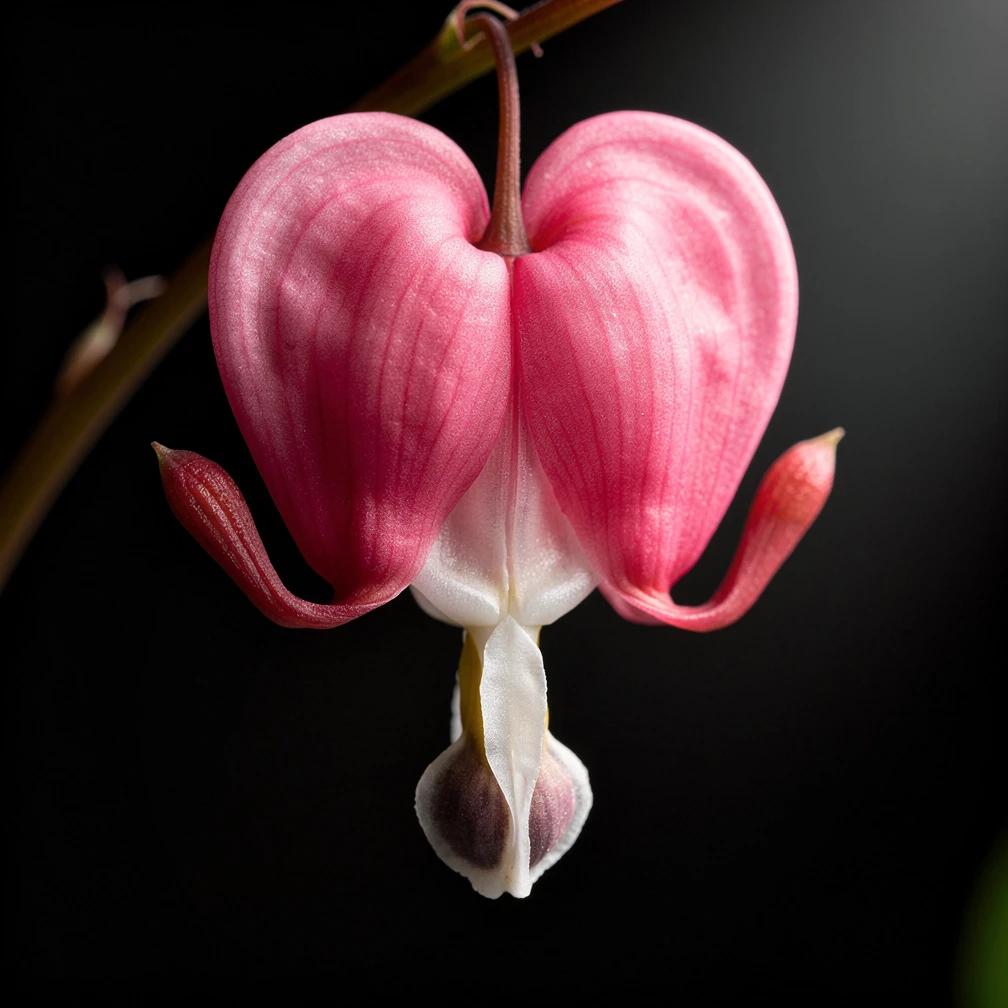
Bleeding heart is a spring-blooming woodland flower native to northeastern Asia, prized for its distinctive heart-shaped blossoms with protruding petals. While not a standard perfumery material, its romantic form and cultural significance have inspired fragrance creators seeking delicate, nostalgic floral accords.
Character
How it smells
A romantic woodland bloom with petals of poetry
The flower's inner petal remains attached after the outer petal drops, appearing to weep—a detail that inspired the tragic love legends surrounding this plant.



Origin
China, Japan, Korea
Bleeding heart traces its roots to the cool, moist woodlands of northeastern Asia, particularly Japan, Korea, China, and Siberia. European plant collectors first encountered it in the 1840s when Scottish botanist Robert Fortune documented specimens growing in Chinese gardens. The flower arrived in British nurseries by 1846 and quickly became a Victorian garden essential.
Its romantic, pendant blossoms inspired the legend of a young Chinese girl whose tears for a forbidden lover caused her heart to bleed with each beat—an origin story that elevated its ornamental appeal. Despite its widespread garden popularity since the Victorian era, bleeding heart never secured a place among traditional perfume materials, remaining primarily a symbol of passionate, sacrificial love in horticultural and cultural contexts rather than a fragrance industry staple.
Wears it best
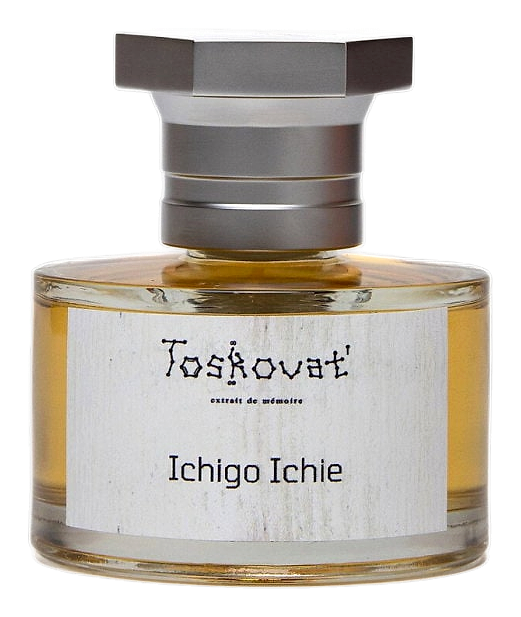
Fragrances featuring Bleeding-heart flower
Brands
Brands known for Bleeding-heart flower
Good to know
Questions, answered
The essentials on Bleeding-heart flower in perfumery: how it smells, where it comes from, and how it behaves on skin.
Is bleeding heart actually used in commercial perfumes?
No, bleeding heart is not a standard commercial fragrance ingredient. It does not appear in major perfume databases as a featured note, though perfumers may reference its romantic imagery or craft synthetic recreations.
What does bleeding heart smell like?
Documented fragrance literature on bleeding heart's scent profile is limited. The flower reportedly emits a subtle, earthy, lightly floral fragrance, though it is not aromatic enough for significant commercial extraction.
Can bleeding heart be extracted for perfume?
Standard extraction methods like steam distillation or solvent extraction are not commercially applied to bleeding heart. No established supply chain exists for bleeding heart fragrance materials.
Where does bleeding heart grow naturally?
Bleeding heart is native to northeastern Asia, growing wild in cool woodland regions of Japan, Korea, China, and eastern Siberia in dappled shade and moist forest soils.
What gives bleeding heart its romantic symbolism?
The flower's shape and behavior inspired Chinese folklore. As the outer petals fall, the inner petal remains suspended, appearing to weep. Victorians adopted this as a symbol of passionate, heartbroken love.
Are there synthetic alternatives for bleeding heart in perfumery?
Fragrance houses may create synthetic accord blends to evoke the light, watery-floral quality associated with bleeding heart, but no dedicated aromatic chemical carries the common name bleeding heart in fragrance formulation.
How long has bleeding heart been cultivated in gardens?
European cultivation began around 1846 after Scottish botanist Robert Fortune introduced specimens to British nurseries from China. It became a Victorian garden staple by the 1850s.
Does bleeding heart have traditional uses beyond ornamentation?
While isoquinoline alkaloids in the plant have been studied in herbal contexts, traditional medicinal or aromatherapy applications of bleeding heart are not well-documented in mainstream references.