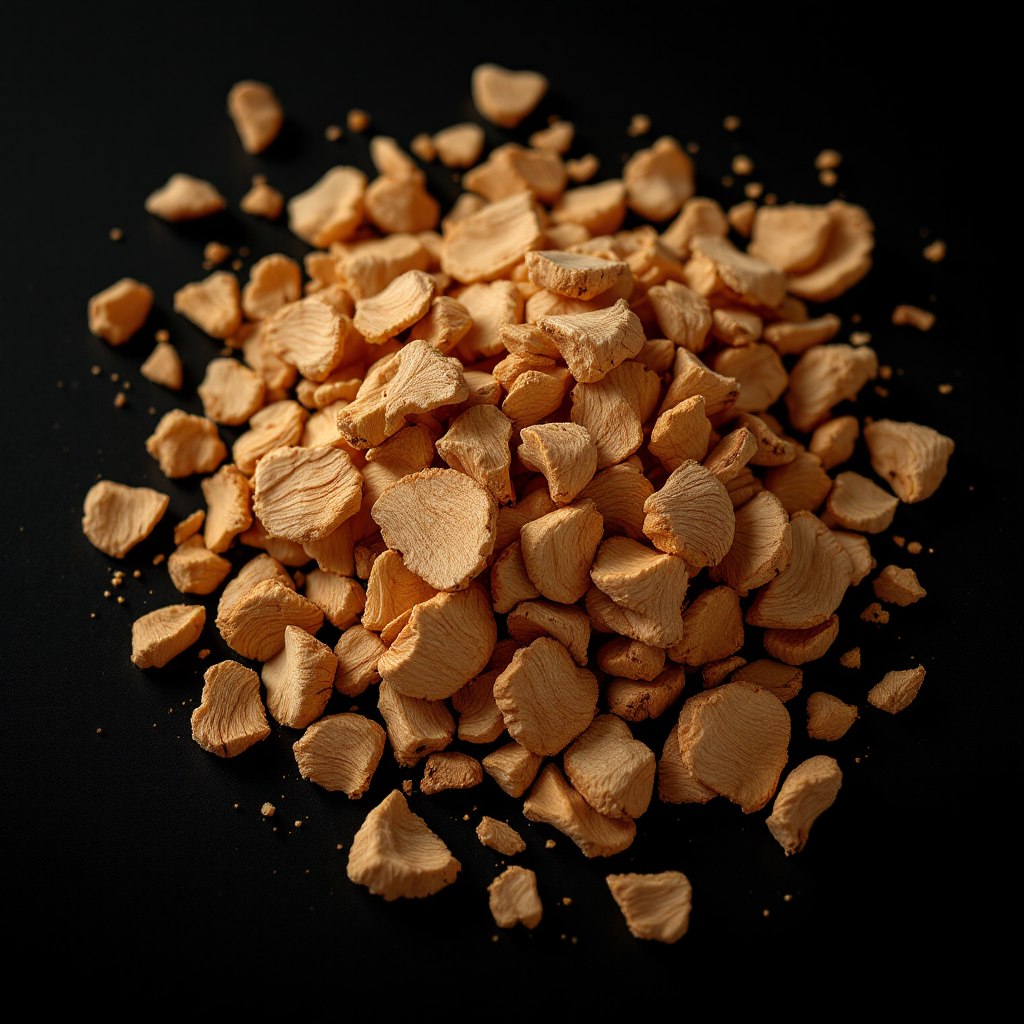
Blackwood
Blackwood refers to the dark, resin-impregnated heartwood of select agarwood-producing trees, yielding one of the most prized and complex notes in perfumery. Its rich, smoky depth adds mysterious dimension to fragrance compositions, commanding premium positioning since antiquity.
Character
How it smells
The wounded heart of rare timber, prized across millennia.
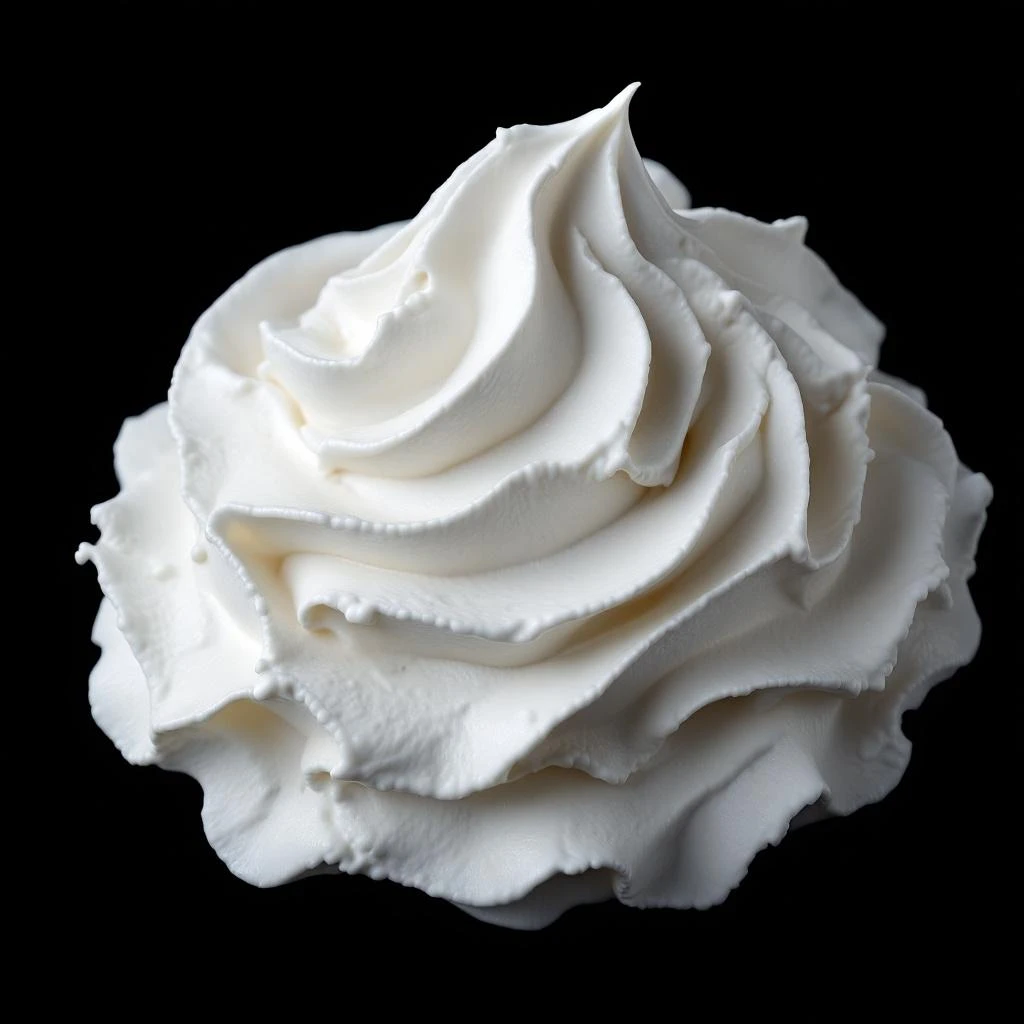
Not every Aquilaria tree produces Blackwood—only those infected by a specific fungus develop the precious resin that creates this aromatic treasure.






Origin
India
Blackwood's lineage traces to ancient trade routes connecting Southeast Asia, India, and Arabia. Islamic traditions first codified its use in attars and sacred preparations, valuing the resin above gold by weight. Medieval Arab merchants controlled distribution networks, limiting access to royalty and religious institutions.
European traders encountering Blackwood through Eastern markets during the 17th century documented its extraordinary value. The ingredient crossed oceans as colonial trade expanded, becoming fixture in orientalist perfumery that defined luxury before modern synthetic alternatives emerged.
Wears it best
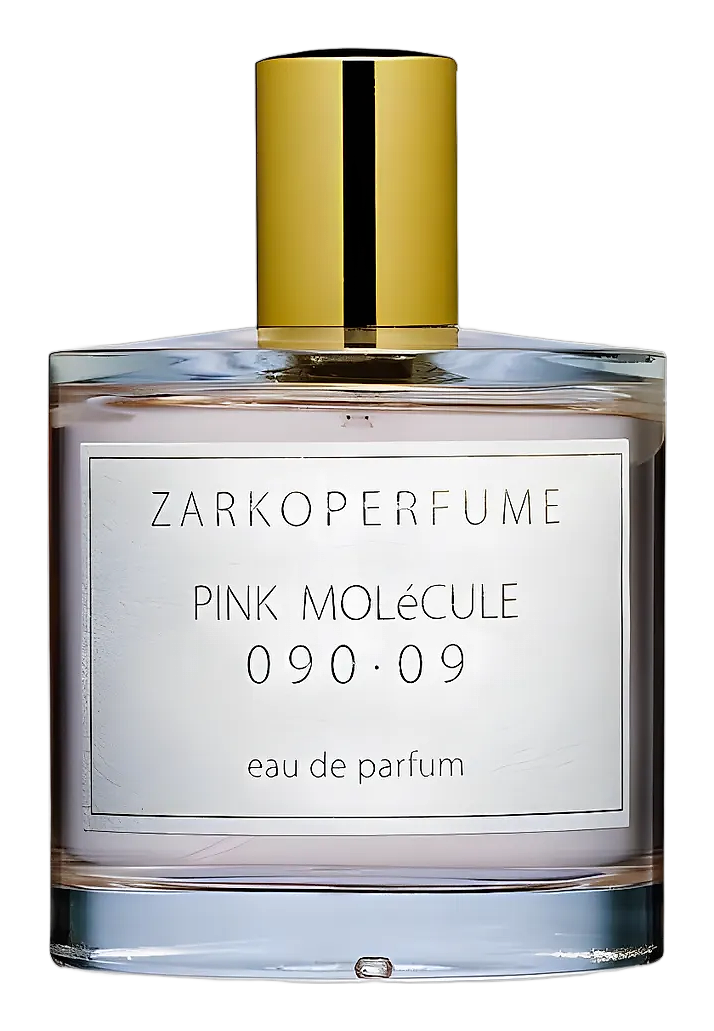
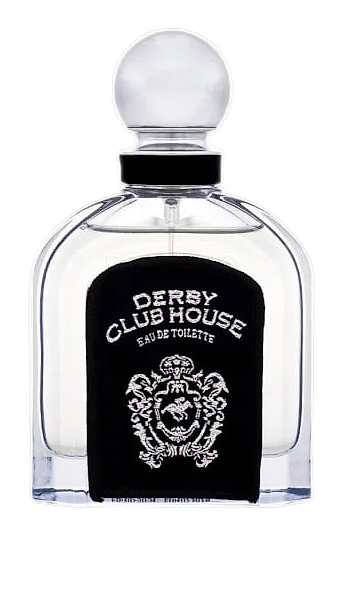
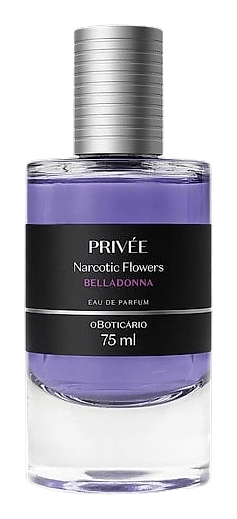
Fragrances featuring Blackwood
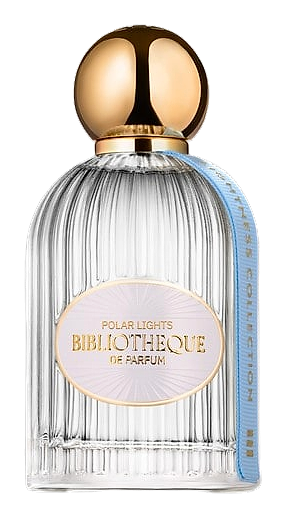
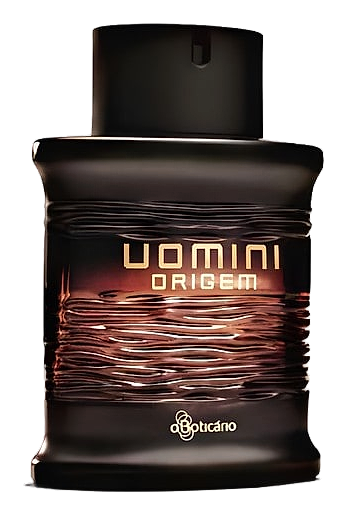
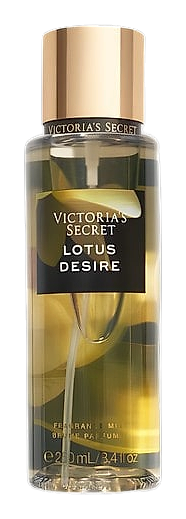
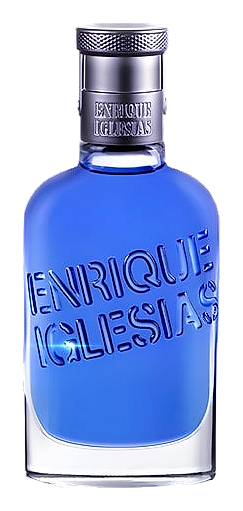
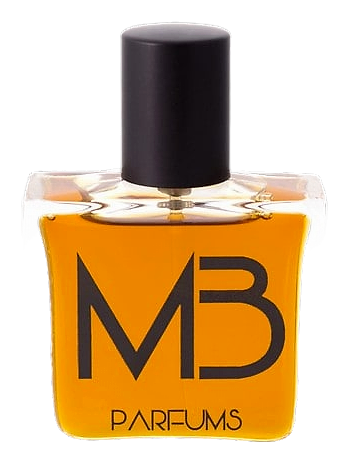
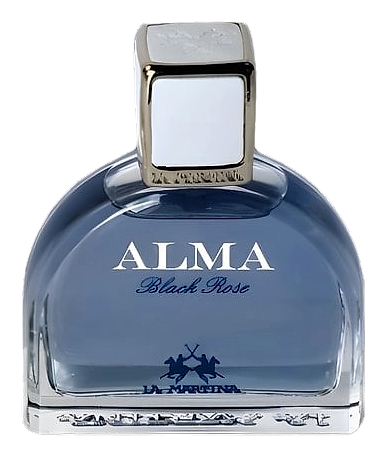
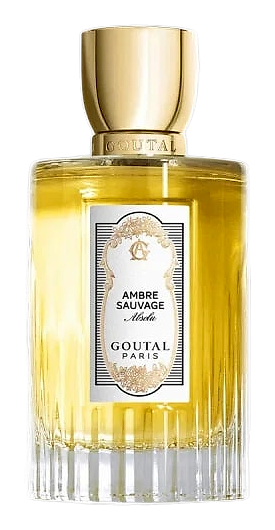
Brands
Brands known for Blackwood
Good to know
Questions, answered
The essentials on Blackwood in perfumery: how it smells, where it comes from, and how it behaves on skin.
What does Blackwood smell like?
Blackwood carries deep smoky tones balanced by warm balsamic sweetness, with animalic undertones that evolve as the scent develops. Each batch varies slightly based on the tree's infection history.
Is Blackwood natural or synthetic?
Natural Blackwood comes from infected Aquilaria heartwood. Synthetic alternatives attempt to recreate smoky-woody characteristics, though they lack the complexity of the authentic resin.
Why is Blackwood so expensive?
Only a small percentage of Aquilaria trees develop the resin necessary for Blackwood. Natural infection occurs randomly, and trees require decades to produce quality material.
How long has Blackwood been used in perfumery?
Documented use dates to the Islamic Golden Age, with historical records from the 9th century showing trade routes connecting Indian Ocean ports to Middle Eastern markets.
Can Blackwood be sustainably sourced?
Controlled inoculation techniques now induce resin production in cultivated Aquilaria trees, reducing pressure on wild populations while maintaining quality standards.
What fragrance families pair with Blackwood?
Blackwood anchors oriental and woody compositions, complementing amber, leather, spice, and floral notes. It adds mysterious depth to modern gender-fluid fragrances.
How concentrated is Blackwood oil?
Blackwood oil is highly concentrated. A small amount—measured in drops—provides significant olfactory impact. Dilution before application is standard practice.
Does Blackwood age well in bottles?
Blackwood fragrance compounds improve with aging as molecular complexity deepens. Properly stored bottles can develop richer, more nuanced profiles over years.