Blackberry Jam
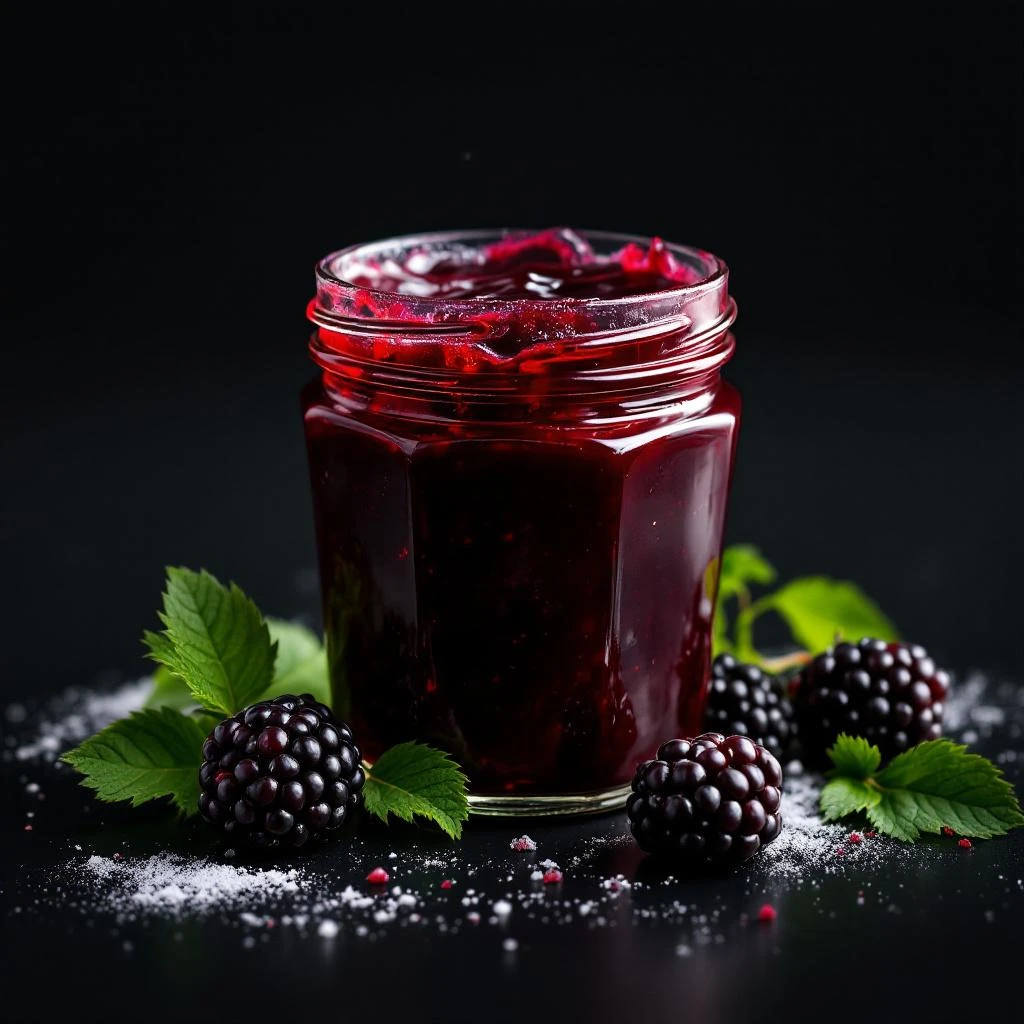
Blackberry jam opens on a burst of tart, sun-warmed berry sweetness before settling into a rich, jammy depth that lingers on the skin. This note captures the moment when ripe blackberries are crushed and slow-cooked into something deeply aromatic and irresistibly edible.
Character
How it smells
Tart, sweet, and jammy — the comfort of ripe berries captured in a bottle.
Blackberry yields no extractable essential oil, so perfumers must build its signature scent entirely from lab-created aromatic compounds.



Origin
France
Before the rise of synthetic chemistry, blackberry's presence in perfume was nearly impossible — the fruit contains too little aromatic oil to make extraction practical, and its volatile compounds degrade quickly under traditional extraction heat. When organic chemists developed the tools to build aromatic molecules from scratch in the late nineteenth century, ingredients like blackberry suddenly became available to perfumers in a reproducible form.
The modern blackberry note emerged through gradual refinement across the twentieth century as aroma chemists identified and replicated the key molecules responsible for the fruit's scent profile. Today it stands as an example of how synthetic perfumery extends beyond mimicking nature — it completes it, giving perfumers access to fragrant experiences that no distillation column could ever produce.
Wears it best
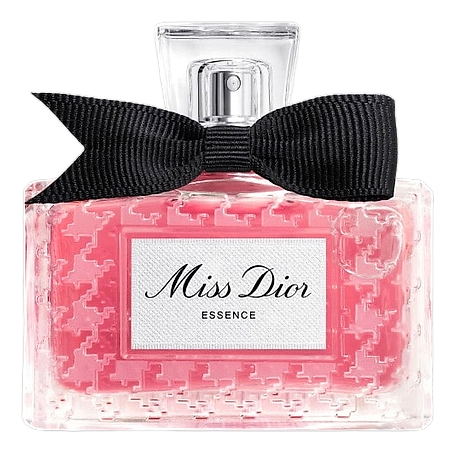
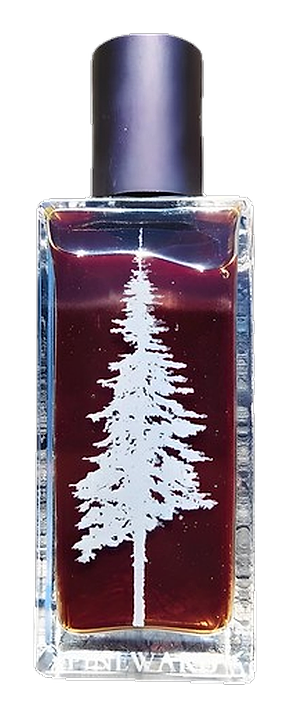
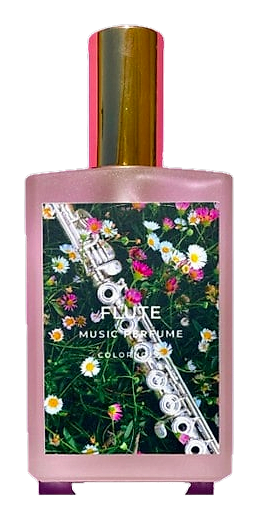
Fragrances featuring Blackberry Jam


Brands
Brands known for Blackberry Jam
Good to know
Questions, answered
The essentials on Blackberry Jam in perfumery: how it smells, where it comes from, and how it behaves on skin.
Is blackberry jam a natural or synthetic ingredient in perfume?
Blackberry jam is exclusively synthetic. The blackberry fruit yields no extractable essential oil, so perfumers reproduce its aroma using lab-created aromatic compounds that together replicate the fruit's jammy, tart character.
What does blackberry jam smell like in a fragrance?
Blackberry jam reads as sweet and rich with a tart, almost wine-like edge. It sits in the fruityolfactive family and adds warmth and depth without feeling heavy, functioning well as both a top and heart note.
How do perfumers create the blackberry jam note?
Chemists build the note by layering lactones for creaminess, pyrroles for dark fermentation, furans for cooked fruit depth, and aldehydes for brightness. Each molecule contributes a specific aspect of the overall blackberry scent profile.
Does blackberry jam appear in natural perfume ingredients?
No, it does not. Blackberry contains insufficient aromatic oil for extraction, and the fruit's volatile compounds break down under the heat of traditional methods like distillation or maceration.
What fragrance families pair well with blackberry jam?
Blackberry jam blends naturally with chypre bases, gourmand accords, and bright floral structures. It adds fruity warmth to woody or musky backgrounds and grounds lighter citrus or green compositions.
Is blackberry jam considered safe for skin application?
Blackberry jam fragrance oils sold for cosmetic use undergo IFRA compliance testing. Like all fragrance ingredients, they should be used within recommended concentration limits set by international safety standards.
Can blackberry jam notes be found in classic perfumes?
Blackberry jam became more prominent in perfumery from the late twentieth century onward as synthetic capabilities expanded. It appears frequently in modern fragrances, particularly in the fruity and gourmand categories.
What is the difference between blackberry jam and blackberry leaf in perfumery?
Blackberry leaf notes tend toward green, slightly woody, and herbaceous qualities. Blackberry jam is sweet, jammy, and cooked — a warmer, more edible expression that belongs to a distinctly different olfactive register.