
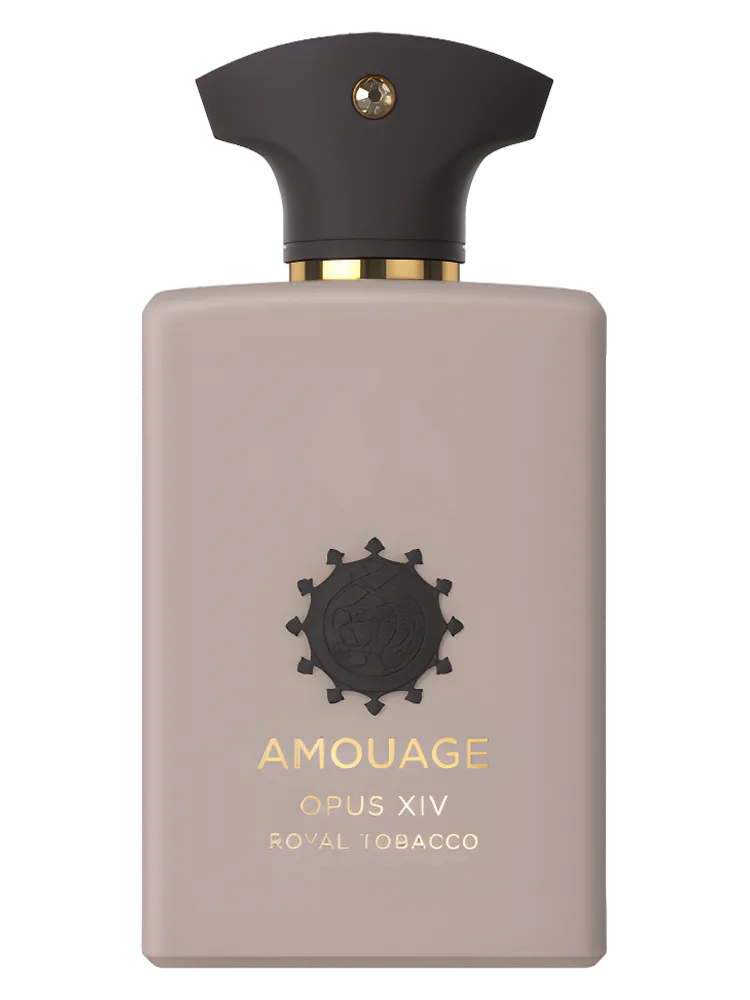

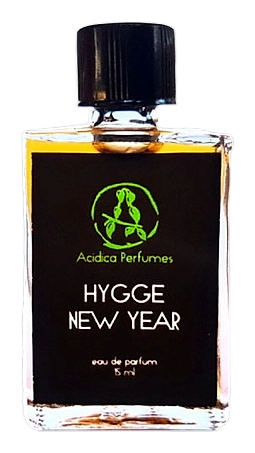
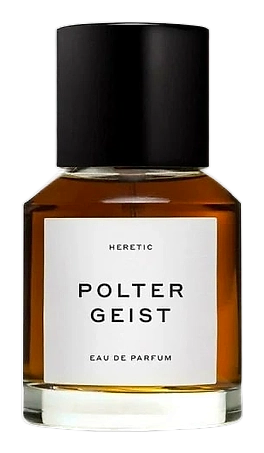
Character
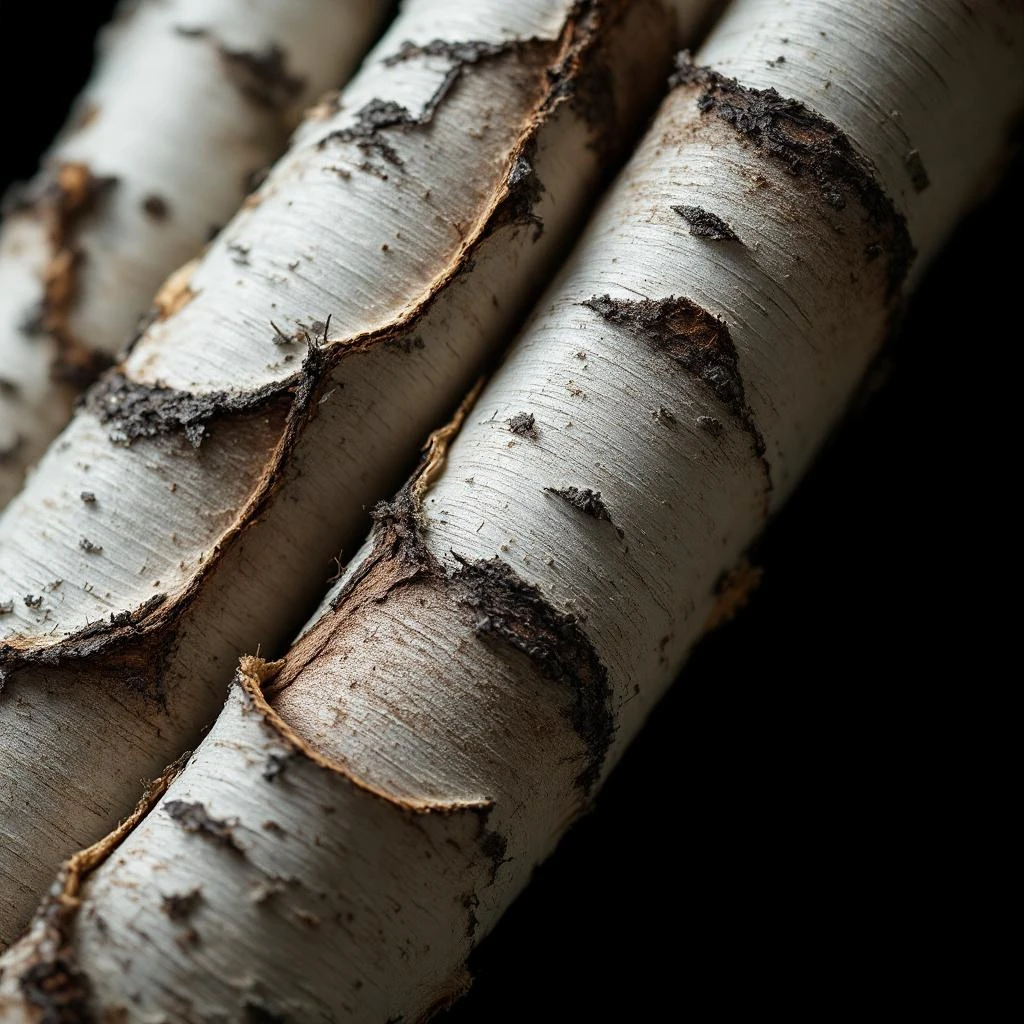
The Story of Birch tar
Birch tar delivers a potent, smoky warmth with leather undertones. This ancient material, one of perfumery's rarest ingredients, anchors fragrances with unmistakable depth.
Heritage
Birch tar holds a unique position as the oldest synthetic substance known to human civilization. Archaeological evidence confirms Neanderthals produced birch tar over 200,000 years ago, using it as an adhesive for hafting stone tools. Ancient Europeans adopted the material extensively for waterproofing and as medicine. The fragrance connection emerged in sixteenth-century Russia, where tanners incorporated birch tar into cowhide processing for leather goods. This treatment produced the famed Russian leather, prized across Europe for its distinctive smoky aroma. By the twentieth century, perfumers isolated birch tar specifically for its aromatic properties, incorporating it into masculine and leather compositions where its primal, smoky character adds unmatched depth and authenticity.
At a Glance
8
Feature this note
Russia
Primary source region
Ingredient Details
Dry destructive distillation and rectification
Bark
Did You Know
"Birch tar predates modern chemistry. Neanderthals produced it over 200,000 years ago, making it humanity's oldest synthetic material."
Pyramid Presence