Character
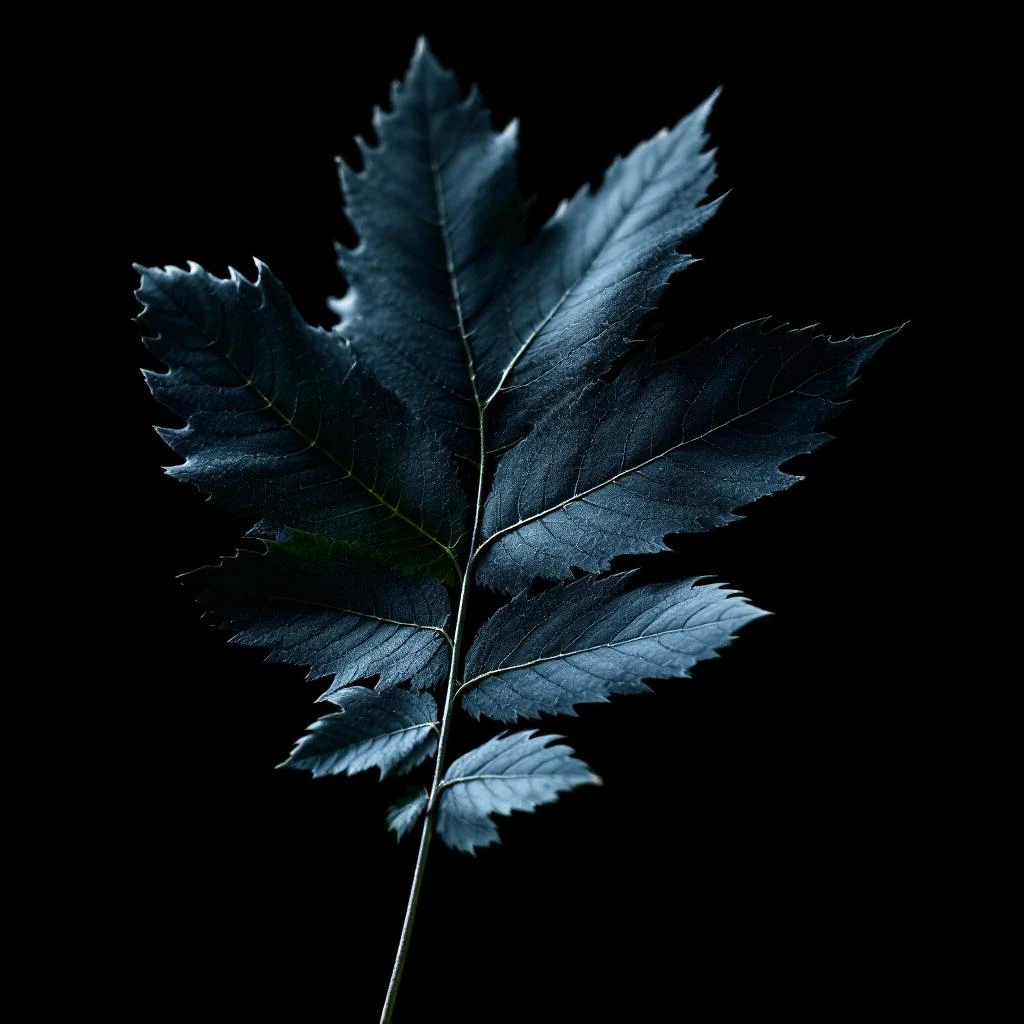
The Story of Birch leaf
Birch leaf delivers a crisp, green aroma with a faint resinous edge, evoking the fresh canopy of boreal forests. Its bright character lifts blends while grounding them in natural authenticity.
Heritage
Birch trees have appeared in human scent culture for millennia. Archaeological evidence from ancient Mesopotamia shows birch tar used as an adhesive and fragrance component in burial rites. Egyptian texts from the 2nd dynasty mention birch smoke in temple rituals, highlighting its aromatic value. In Scandinavia, Viking warriors burned birch twigs to mask odors before battle, a practice recorded in 10th‑century sagas. By the 19th century, French chemists isolated birch leaf compounds during the rise of modern perfumery, documenting camphor and aldehydes in laboratory notebooks. The 1920s saw birch leaf introduced into chypre and fougère families, where its green crispness balanced richer amber and moss notes. Throughout the 20th century, the ingredient remained a niche favorite among master perfumers seeking a forest‑like freshness. Today, birch leaf continues to inspire creators who value its link to natural woodland environments and its historical role as a bridge between ancient ritual and contemporary scent design.
At a Glance
4
Feature this note
Russia
Primary source region
Ingredient Details
Steam distillation
Fresh birch leaves
Did You Know
"Birch leaf oil contains camphor, a compound also used in traditional medicine to soothe coughs, linking scent and healing in one natural source."
Pyramid Presence