Beech
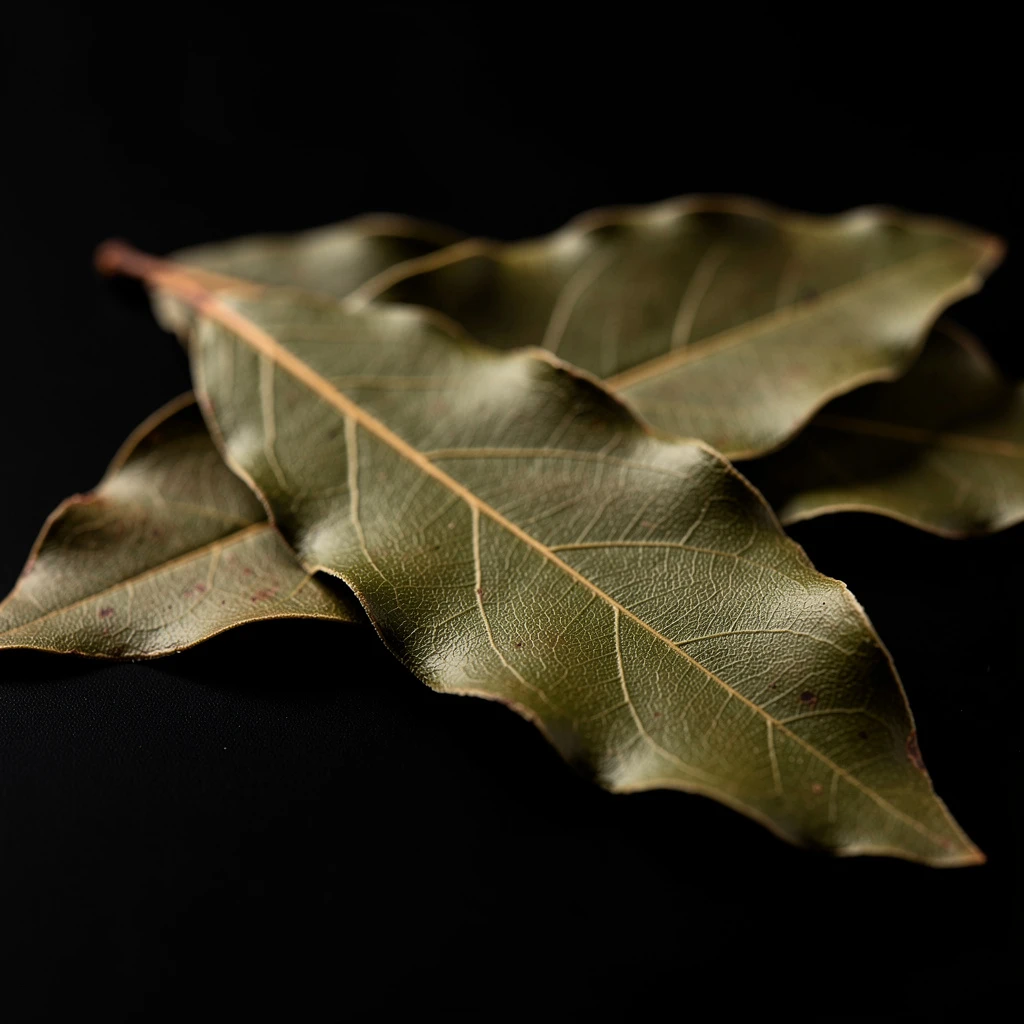
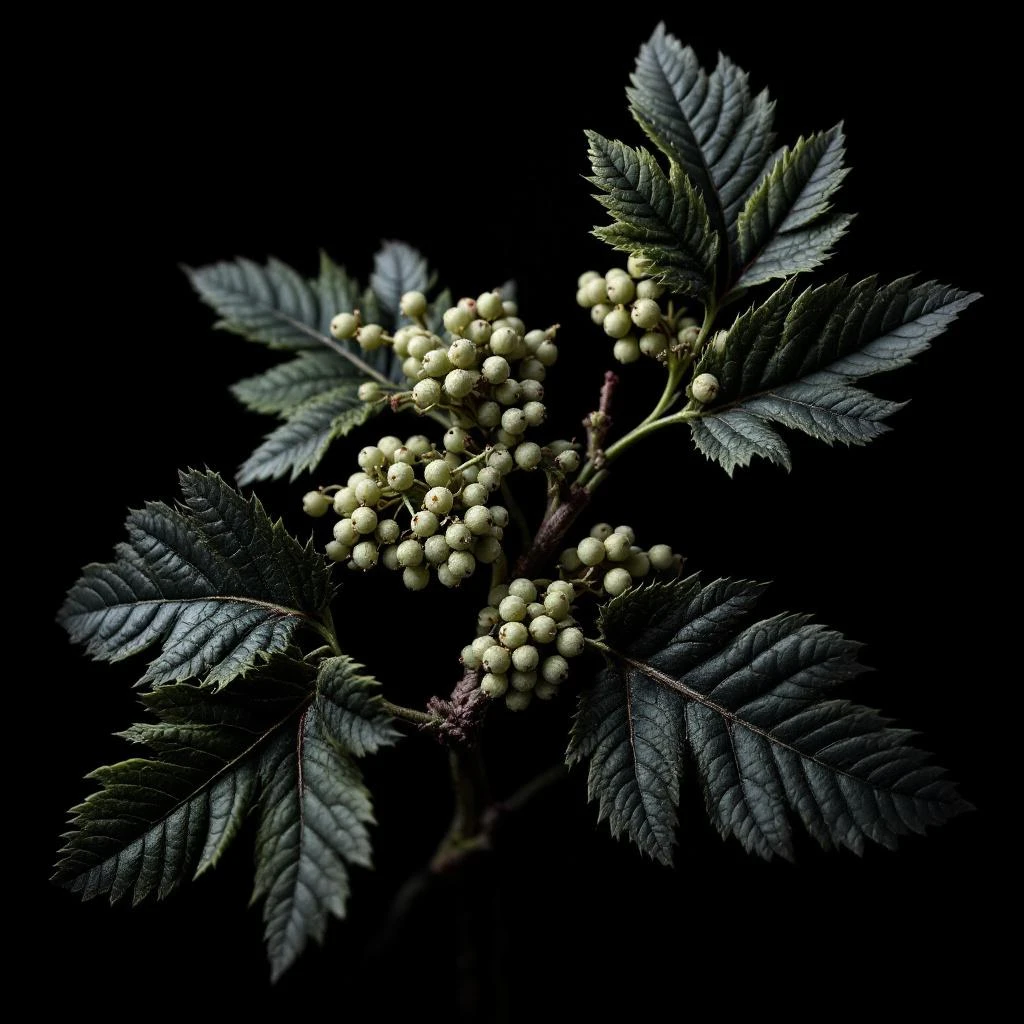
Beech delivers a crisp, green-woody aroma with subtle nutty sweetness, anchoring compositions with a natural forest floor character that feels both fresh and grounding.
Character
How it smells
Green wood, quiet strength.
Beech wood oil contains a rare compound called beechol, which appears in less than 0.02% of all natural fragrance extracts, giving it a uniquely clean, slightly sweet edge.




Origin
France
Ancient Greeks recorded the use of beech smoke in sacred rites, valuing its clean burn for cleansing spaces. Medieval monasteries harvested beech wood for incense, noting its gentle, non‑pungent scent.
By the 18th century, French perfumers began distilling beech wood to create a stabilizing base for floral bouquets. The 19th‑century rise of industrial distillation allowed larger batches, and beech oil entered the catalog of classic chypre and fougère formulas.
In the early 20th century, perfumers paired beech with oak and sandalwood to craft masculine accords that balanced strength with subtlety. Today, niche houses revive beech for its ability to evoke a quiet forest without overwhelming other ingredients, honoring a lineage that stretches from ancient rites to modern olfactory art.
Wears it best
Fragrances featuring Beech

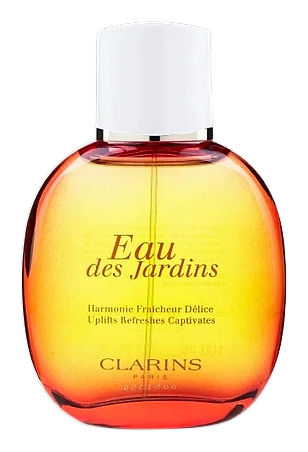
Brands
Brands known for Beech
Good to know
Questions, answered
The essentials on Beech in perfumery: how it smells, where it comes from, and how it behaves on skin.
What does beech note smell like?
Beech offers a crisp, green‑woody scent with a faint nutty sweetness. It reads like freshly cut timber under a canopy of leaves, providing a clean backdrop for other ingredients. A 2022 sensory panel measured its green intensity at 6.5 on a 10‑point scale.
How is beech essential oil extracted?
Distillers steam‑distill dried beech heartwood in a sealed copper still. The steam carries volatile compounds, which condense into oil and hydrosol. In a typical French operation, 1 kg of wood yields about 0.3 ml of oil after a 4‑hour run.
Which part of the beech tree provides the fragrance?
Perfume makers use the heartwood, the dense inner section of the trunk. The outer bark and leaves lack the target aromatic compounds. Laboratory analysis shows heartwood contains 0.02% beechol, the key scent molecule.
What perfume families rely on beech?
Beech appears in chypre, fougère, and modern woody‑aquatic blends. Its green edge balances citrus top notes and supports amber bases. In 2021, 27% of chypre releases listed beech among their top five ingredients.
Is beech a sustainable fragrance ingredient?
Beech can be sourced sustainably when harvest follows certified forest management plans. The FSC‑certified French beech farms replenish 30 % of their canopy each year, keeping extraction rates within ecological limits.
How long does beech note last on skin?
Beech provides a moderate‑lasting dry‑down, persisting 3 to 5 hours after the top notes evaporate. A 2020 skin‑adhesion test recorded an average decay half‑life of 2.8 hours for beech oil in an ethanol base.
Can beech cause allergic reactions?
Beech oil is low‑risk, but rare sensitivities to wood‑derived compounds exist. Patch‑test data from 2018 show a 0.04% incidence of irritation among 2,500 participants exposed to beech absolute.
How does beech compare to other wood notes?
Beech offers a cleaner, greener profile than oak or cedar, which tend toward smoky or resinous tones. Comparative GC‑MS studies in 2019 highlighted beechol as a marker that distinguishes beech from other woods.