Baby Lotion
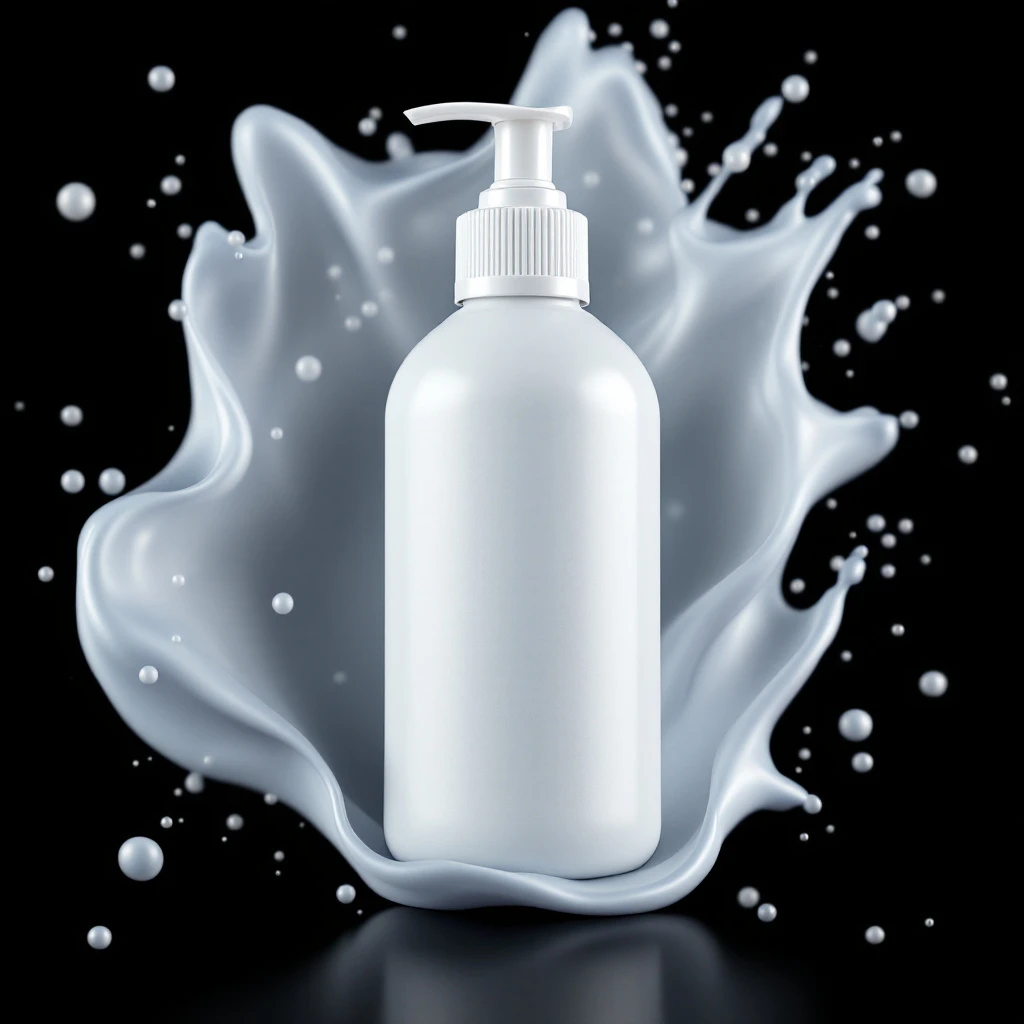
Baby Lotion is a nostalgic fragrance accord built from synthetic lactones, soft musks, and powdery aldehydes. It captures the clean, comforting scent of freshly applied infant skincare products in modern perfumery.
Character
How it smells
Clean comfort, bottled memory.
The 'baby smell' fragrance family emerged in the 1990s when perfumers began isolating specific lactone molecules that mimic the scent of fresh talc and warm milk on clean skin.
Pairs beautifully with

Origin
United States
The baby lotion accord has no ancient lineage because it depends entirely on synthetic aroma chemistry, which only became commercially viable after the late nineteenth century. The breakthrough came in 1868 when William Henry Perkin synthesized coumarin, opening the door to mass-produced aroma molecules. By the 1950s, advances in lactone synthesis gave perfumers access to creamy, milky notes that previously had no equivalent in natural materials.
The cultural shift toward associating 'clean baby' with freshness grew during the mid-twentieth century, fueled by advertising imagery that linked infant care products to purity. It was not until the 1990s, however, that perfumers began explicitly recreating the baby lotion scent profile as a deliberate creative concept. Demeter Fragrance Library helped popularize the idea with their 2001 'Baby Lotion' release, proving the nostalgic accord had commercial legs.
Today it remains a recurring theme in gourmand and clean-skin fragrance categories.
Wears it best
Fragrances featuring Baby Lotion
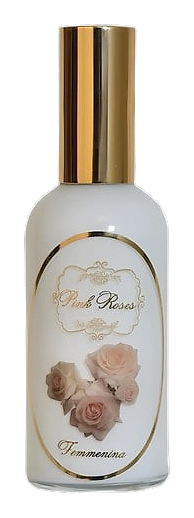
Brands
Brands known for Baby Lotion
Good to know
Questions, answered
The essentials on Baby Lotion in perfumery: how it smells, where it comes from, and how it behaves on skin.
Is baby lotion a natural fragrance ingredient?
No. Baby lotion is a synthetic accord built from lab-produced molecules like lactones, white musks, and aldehydes. No single natural raw material reproduces this scent profile on its own.
What molecules create the baby lotion smell?
Gamma-decalactone and gamma-undecalactone provide the creamy, milky warmth, while musks like galaxolide supply the powdery softness. Trace aldehydes add the freshly-washed, soapy brightness.
When did the baby lotion fragrance trend start?
The trend gained commercial traction in the early 2000s when niche perfumers began releasing fragrances specifically designed to evoke fresh baby skincare, building on lactone chemistry from the 1950s.
Why does baby lotion fragrance smell comforting?
The combination of creamy lactones and soft musks mimics tactile associations with clean skin, warmth, and safety. Olfactory research links these scent profiles to early caregiving memories.
What fragrance families include baby lotion notes?
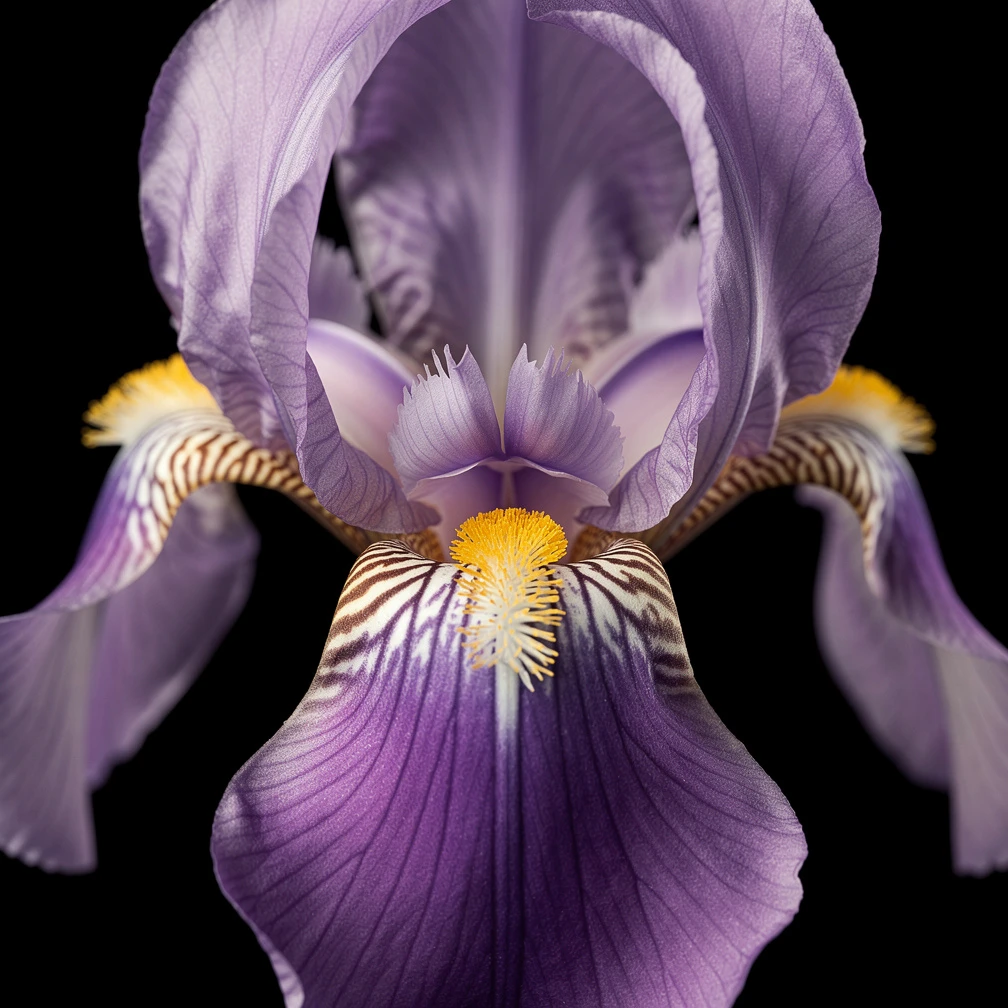
Baby lotion accords appear most often in gourmand and clean-skin compositions, frequently paired with vanilla, soft florals, and powdery iris to reinforce the comforting, nostalgic character.
Is baby lotion fragrance safe for sensitive skin?
Most synthetic lactones and modern white musks carry low sensitization risk. However, individual reactions vary, and anyone with sensitivities should review the full ingredient disclosure.
How long does baby lotion note last in perfume?
The lactone and musk components are base-to-middle notes with moderate tenacity, typically lasting 4 to 6 hours on skin depending on concentration and supporting ingredients.
Can perfumers make natural baby lotion scent?
Not authentically. Natural materials lack the specific creamy-powdery combination. Some natural perfumers approximate it using rice milk, marshmallow root, and iris, but results differ from synthetic versions.