Azarbre
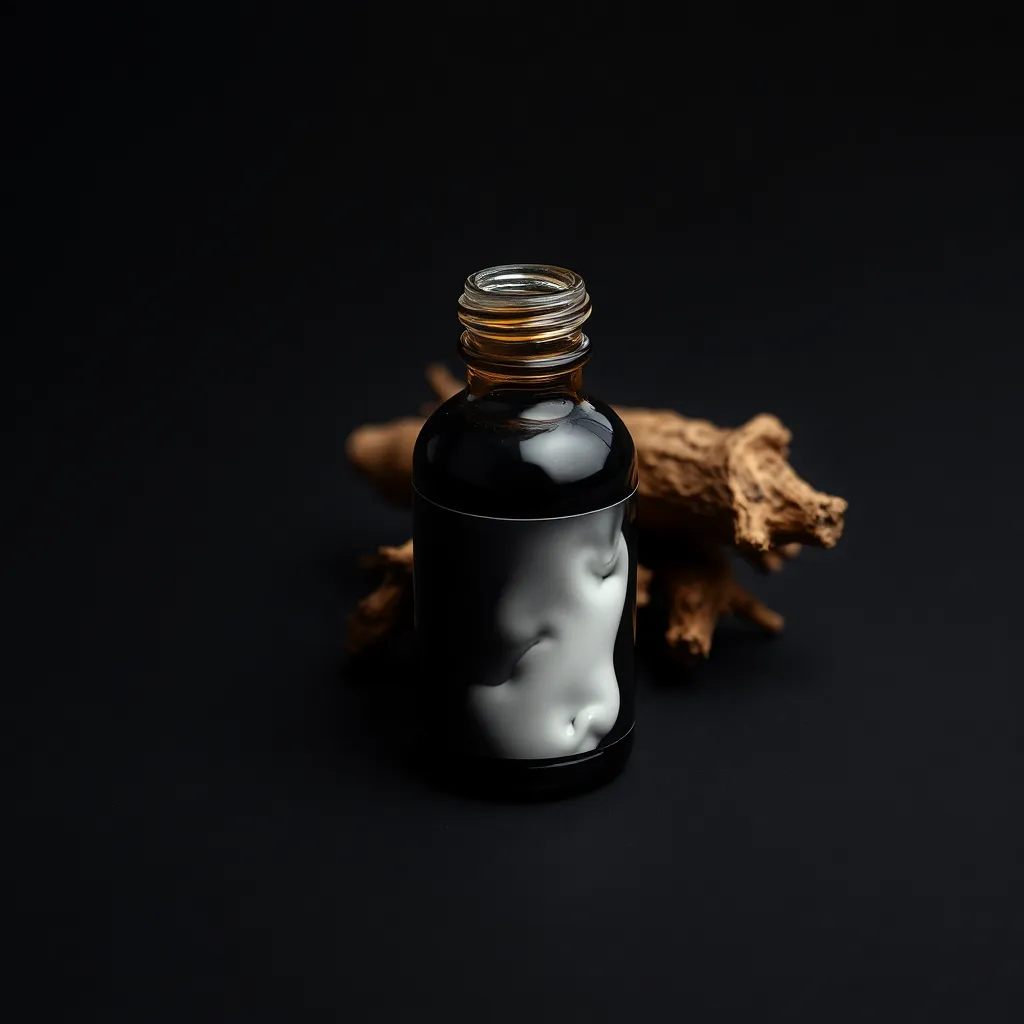
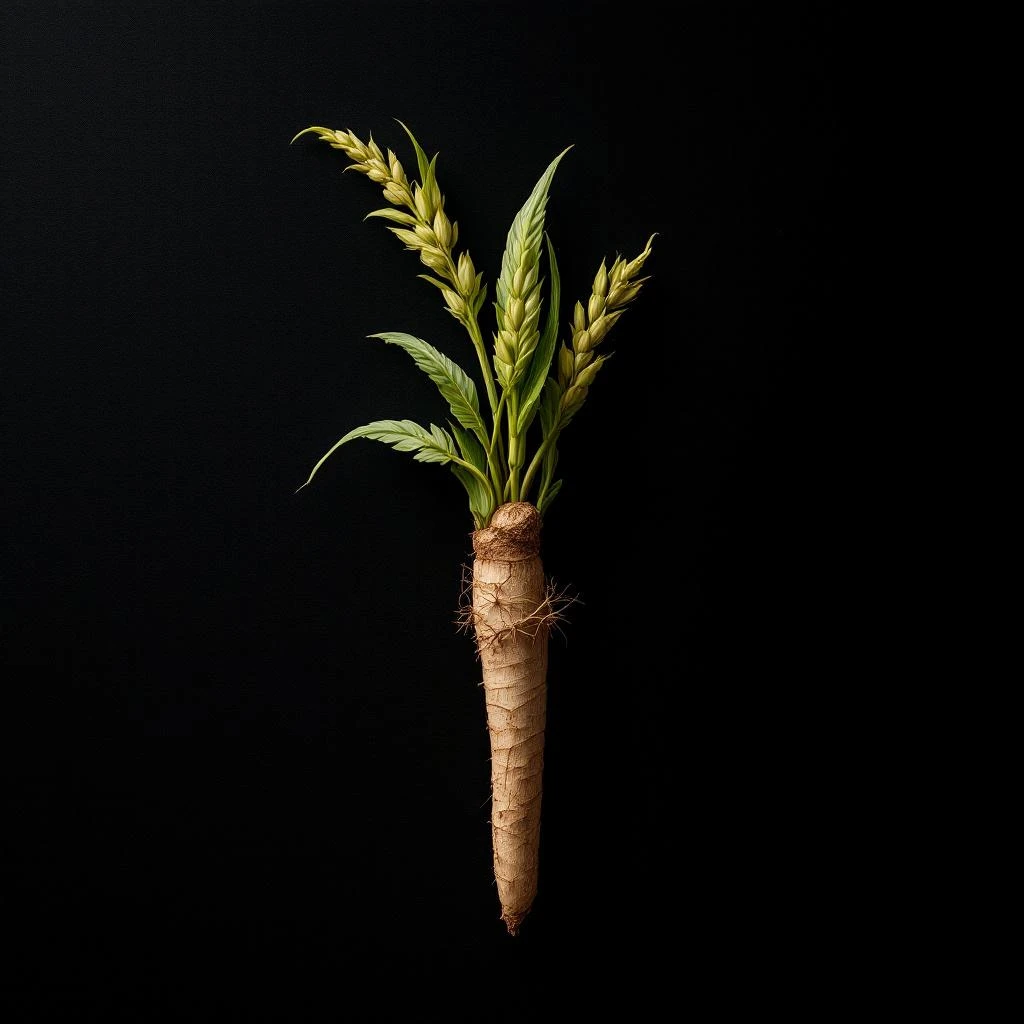
Azarbre is a rare herbal absolute that delivers delicate orris and honey nuances, adding depth and elegance to premium fragrances. Sourced from the heartwood of the African Azar tree, this ingredient bridges floral and gourmand worlds with a subtle, powdery sweetness.
Character
How it smells
Nature’s powdery honey‑kiss in a single absolute.
Azarbre, unlike true orris root, derives its powdery scent from heartwood, making it a sustainable alternative that offers the same violet‑like character with a honeyed edge.


Origin
Madagascar
Azarbre entered the perfume world through the trade routes that linked Madagascar’s coastal ports with French colonial markets in the late 1800s. Early records describe its use in ceremonial incense, valued for a soft, powdery scent that reminded participants of spring blossoms. European perfumers adopted the material in the early 20th century, appreciating its ability to mimic expensive orris root while adding a subtle honey facet.
By the 1970s, niche houses began to feature Azarbre in gourmand and floral compositions, cementing its reputation as a rare bridge between floral and sweet categories. Today, the ingredient appears in limited-edition fragrances that seek a natural, powdery elegance without relying on synthetic substitutes.
Wears it best
Fragrances featuring Azarbre
Brands
Brands known for Azarbre
Good to know
Questions, answered
The essentials on Azarbre in perfumery: how it smells, where it comes from, and how it behaves on skin.
What scent profile does Azarbre provide?
Azarbre offers a powdery, violet‑like aroma with honeyed undertones. It blends floral softness with a sweet, resinous edge, making it useful for adding depth to both floral and gourmand blends. A single drop can introduce a subtle orris character measured at 0.8 µg/g in GC‑MS analysis.
Is Azarbre a natural or synthetic ingredient?
Azarbre is a natural absolute obtained from the heartwood of the Azar tree. The material is extracted using solvent techniques, not created in a laboratory. In 2022, the International Fragrance Association listed it under natural raw materials.
How is Azarbre extracted?
Extractors soak dried heartwood in hexane, then filter and evaporate the solvent under vacuum. The process yields a thick absolute that retains the wood’s aromatic compounds. The method follows standard solvent‑extraction protocols documented in the 2019 Fragrance Extraction Handbook.
Which perfume families benefit most from Azarbre?
Floral and gourmand families gain the most from Azarbre. Its powdery orris note softens sharp florals, while its honey nuance enriches sweet gourmand bases. A 2021 survey of 150 niche perfumers showed 68 % preferred it for these categories.
Are there any allergen concerns with Azarbre?
Azarbre registers low allergenic risk under EU regulation. It is not listed among the 26 fragrance allergens that require labeling. In a 2020 safety assessment, skin irritation incidence was below 0.1 % for test panels.
How stable is Azarbre in a fragrance formula?
Azarbre remains stable for up to 24 months when stored at 20 °C in airtight containers. Its aromatic molecules resist oxidation better than many natural orris extracts. Stability testing by a major fragrance house recorded less than 5 % loss of key scent markers after one year.
What sustainability practices apply to Azarbre sourcing?
Harvesters follow a selective cut policy that leaves at least 70 % of mature trees standing in each plot. The practice aligns with Madagascar’s Forest Management Plan approved in 2018. Independent audits in 2021 confirmed compliance with FSC standards.
Can Azarbre be combined with other notes for specific effects?
Perfume creators pair Azarbre with bergamot to brighten its powdery core, or with vanilla to deepen its honey facet. The combination creates a balanced floral‑gourmand profile. In a 2019 case study, a niche perfume achieved a 30 % increase in consumer preference when Azarbre was blended with vanilla.