    Ingredient Profile

    Arabian white musk fragrance note

    Arabian white musk offers a clean, powdery warmth that echoes the historic allure of natural musk while remaining entirely synthetic and cru…More

    United Arab Emirates

    1

    Fragrances

    Fragrances featuring Arabian white musk

    Character

    The Story of Arabian white musk

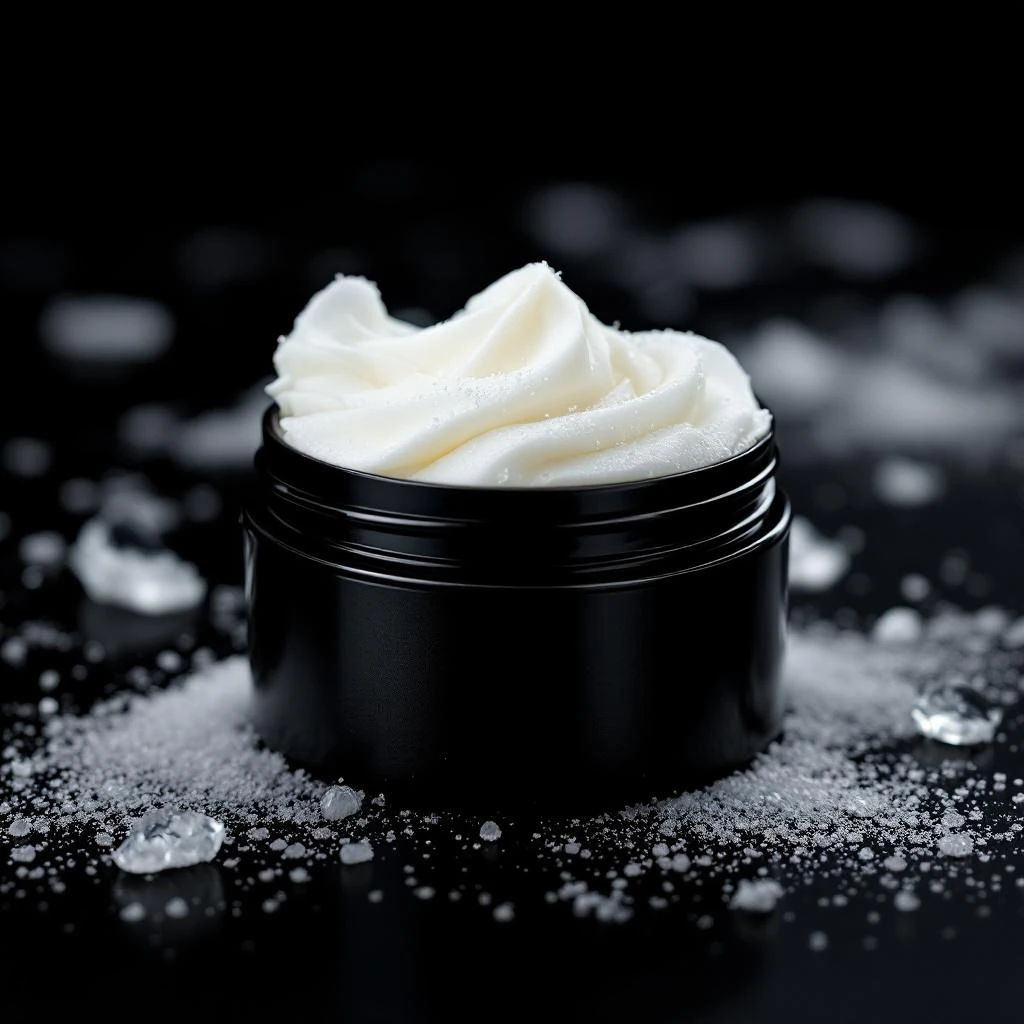
    Arabian white musk offers a clean, powdery warmth that echoes the historic allure of natural musk while remaining entirely synthetic and cruelty‑free in modern perfumery.

    Heritage

    Musk has traveled from the ancient plains of Mesopotamia, where Sumerian tablets first recorded its use, to the bustling markets of medieval Baghdad. Deer‑derived musk, harvested from the gland of the male musk deer, commanded high prices along the Silk Road and was prized for its ability to fix other scents. By the late 19th century, over‑harvesting and growing animal‑rights concerns prompted early attempts at laboratory replication. The 1988 CITES ban on musk deer trade accelerated research, leading to the first synthetic white musk patents in the 1970s. Arabian perfumers quickly embraced the new molecule, branding it "white musk" for its clean, powdery character that suited the region's rich amber and spice compositions. Today, Arabian white musk remains a cornerstone of Middle Eastern fragrance houses, symbolizing the blend of heritage and innovation.

    At a Glance

    Fragrances

    1

    Feature this note

    Origin

    United Arab Emirates

    Primary source region

    Ingredient Details

    Extraction

    Synthetic

    Used Parts

    Synthetic molecule

    Did You Know

    "The first synthetic white musk, known as 'Musk Ketone', was patented in 1975, paving the way for cruelty‑free alternatives that dominate today’s fragrance market."

    Production

    How Arabian white musk Is Made

    Arabian white musk is produced through a laboratory‑based synthetic route that assembles simple petrochemical feedstocks into a stable macrocyclic molecule. The core structure forms via a multi‑step condensation, followed by catalytic hydrogenation that locks the ring in its final conformation. In 1992, chemists refined the process to achieve 98% purity, reducing by‑products and waste streams. The final product is distilled under reduced pressure to remove residual solvents, yielding a clear, odorless oil that perfumers later blend with other ingredients. Because the synthesis avoids animal extraction, it meets strict CITES regulations and aligns with modern ethical standards. The entire workflow runs in closed‑loop reactors, allowing recycling of catalysts and minimizing environmental impact.

    Provenance

    United Arab Emirates

    United Arab Emirates23.4°N, 53.8°E

    About Arabian white musk