Character
The Story of Arabian spices
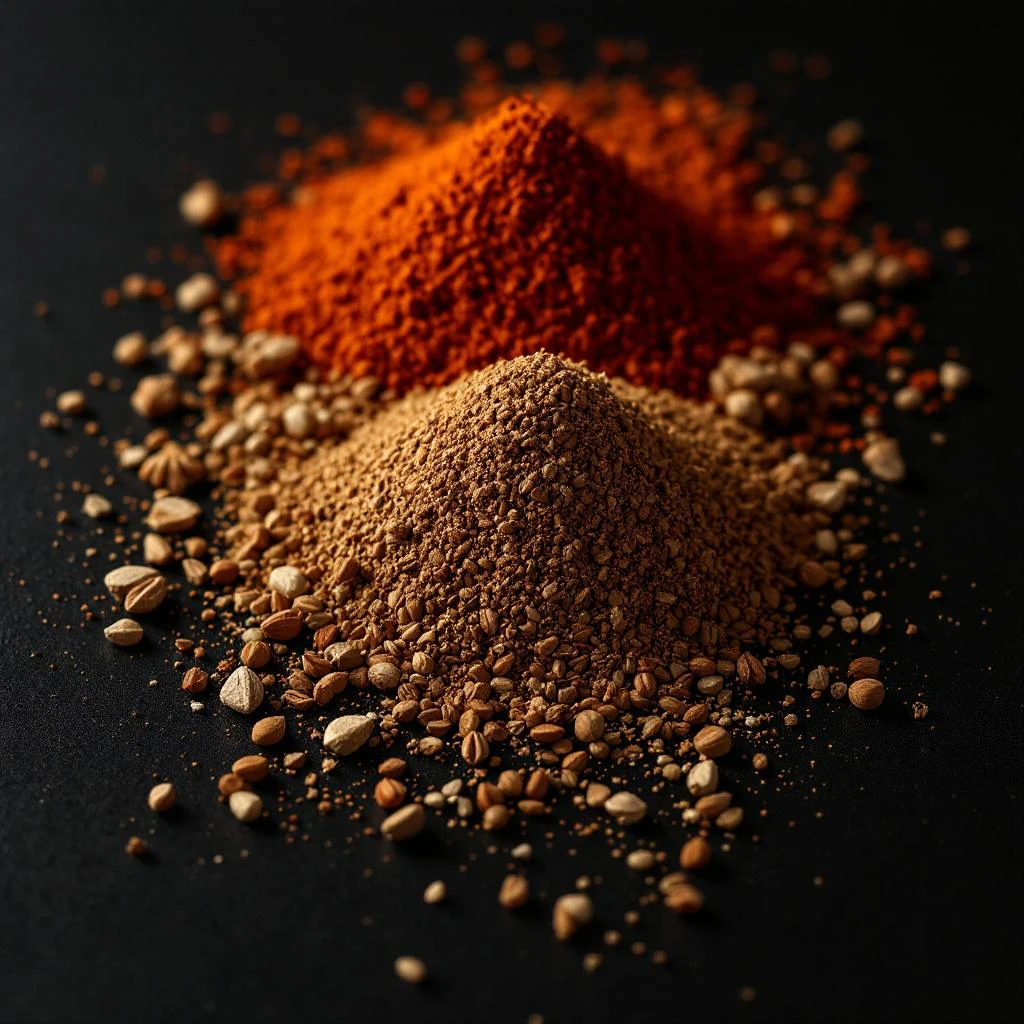
Arabian spices evoke the bustling souks of the Middle East, blending warm cinnamon, bright cardamom, peppery black pepper, and aromatic clove into a radiant, resinous accord that anchors modern fragrances.
Heritage
Arabian spices trace their perfume heritage to the ancient trade routes that linked Egypt, Persia, and the Arabian Peninsula. Early Egyptian priests infused incense with cinnamon and cardamom, but it was Arab scholars in the 8th and 9th centuries who codified distillation methods that isolated aromatic oils. The famed House of Wisdom in Baghdad documented steam‑capture techniques that improved oil yield by 30 % compared to earlier cold‑press methods. During the Crusades, European travelers returned with spice‑laden perfumes, sparking a demand that spread across the Mediterranean. By the 16th century, Ottoman perfumers combined Arabian spices with local rose and oud, creating complex accords that defined courtly fragrance. Today, the legacy endures as modern perfumers reference historic spice blends to evoke the warmth of historic bazaars.
At a Glance
1
Feature this note
Saudi Arabia
Primary source region
Ingredient Details
Steam distillation
Dried seed pods, bark, resin, fruit peel
Did You Know
"The ancient city of Baghdad housed the first known spice distillation labs in the 9th century, where scholars refined cardamom oil using early steam‑capture techniques."