Applejack
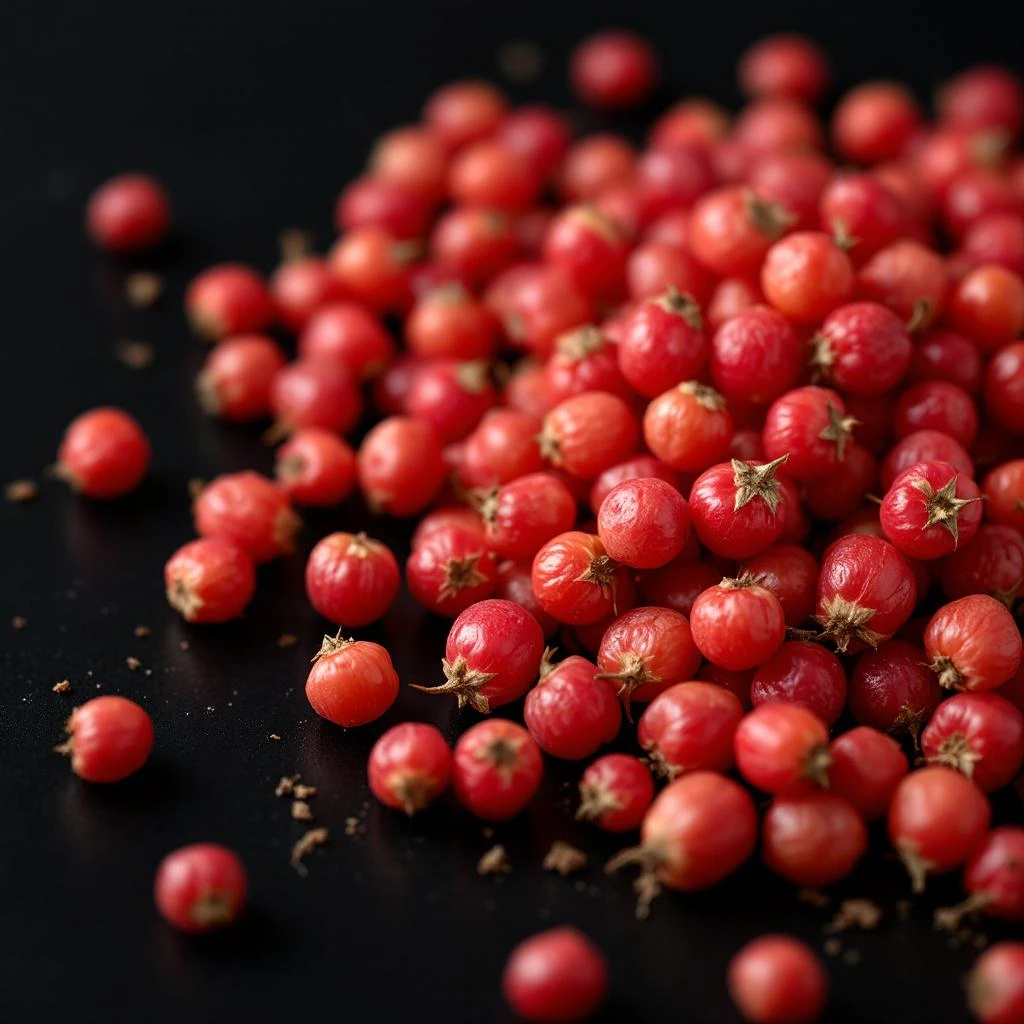
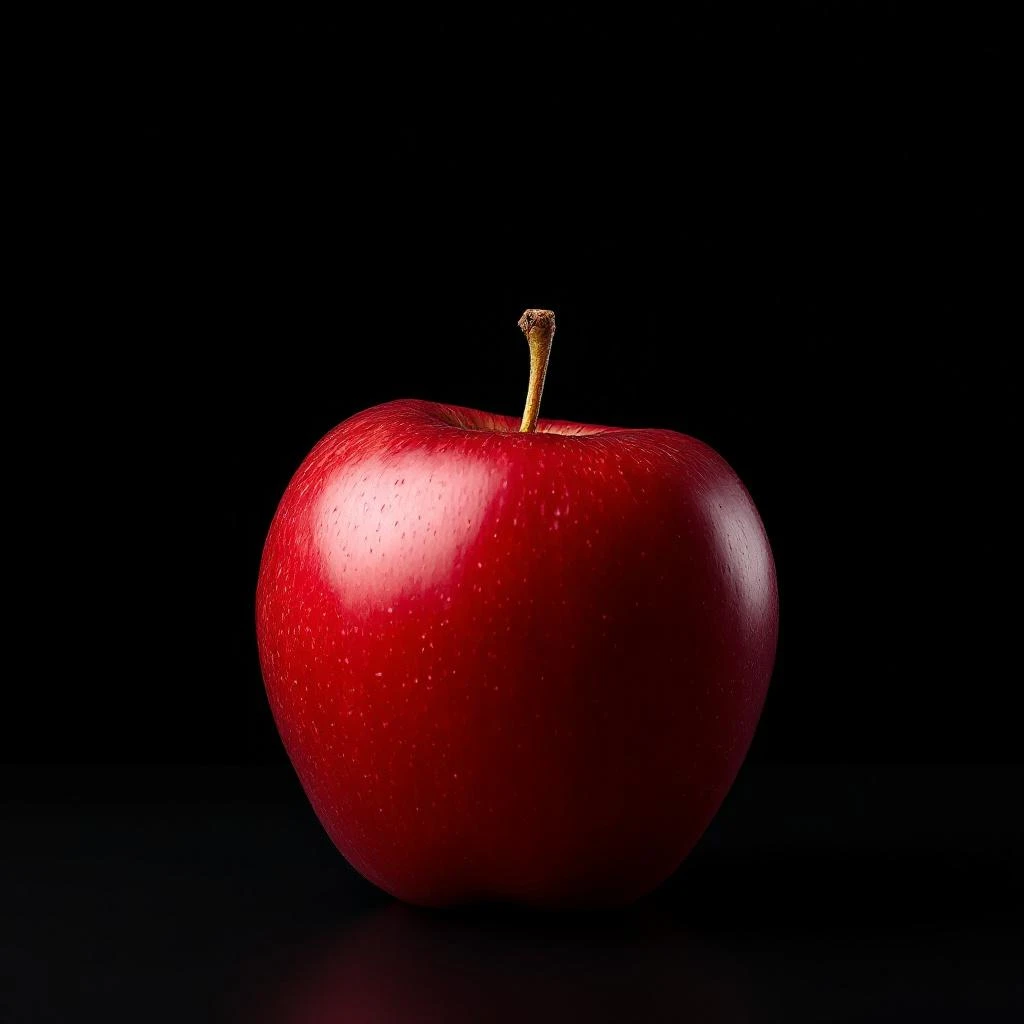
Applejack captures the crisp, sun‑kissed aroma of freshly pressed apples, delivering a bright, slightly tart fruit note that brightens both modern and classic compositions.

Character
How it smells
The orchard’s crisp whisper in a bottle.
Applejack originates from a 19th‑century American spirit; the same distillation process that created the alcoholic beverage was later adapted to isolate its fragrant esters for perfumery.




Origin
United States
Applejack entered the fragrance world in the early 1900s, when perfumers sought authentic fruit notes beyond the limited range of citrus extracts. Its name traces back to colonial America, where apple brandy was distilled to preserve harvests. By the 1930s, French laboratories refined the distillation of fermented apple mash, producing a stable aromatic concentrate suitable for perfume.
The ingredient gained popularity in the post‑war era, featuring in iconic fruit‑forward scents that celebrated optimism and abundance. Today, Applejack bridges heritage and innovation, offering a genuine apple scent that complements both minimalist and opulent compositions.
Wears it best
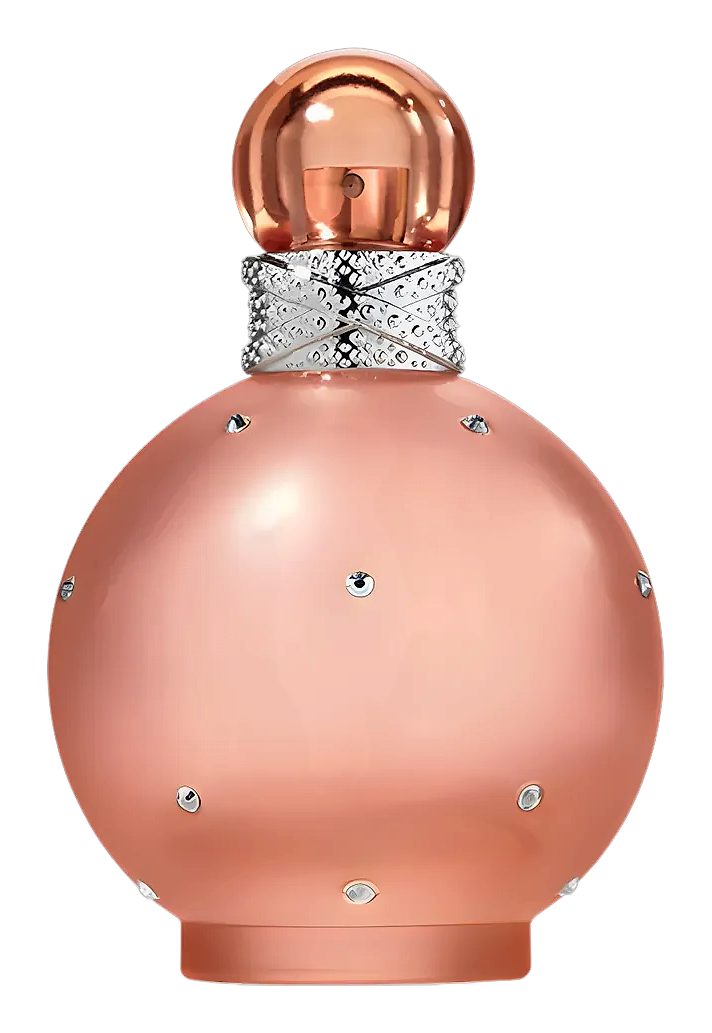
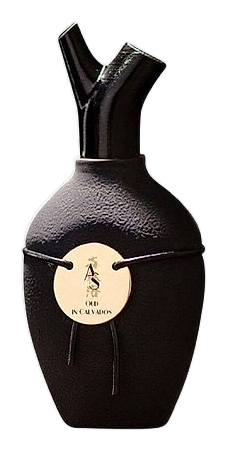
Fragrances featuring Applejack
Brands
Brands known for Applejack
Good to know
Questions, answered
The essentials on Applejack in perfumery: how it smells, where it comes from, and how it behaves on skin.
What is Applejack in perfumery?
Applejack is a natural isolate that delivers a crisp, tart apple aroma. It is derived from fermented apple mash and captured through steam distillation, providing a consistent fruit note for fragrance blends.
How is Applejack extracted?
Applejack is produced by fermenting crushed apples, then applying low‑temperature steam distillation to collect the volatile esters. The process preserves the fresh apple scent while removing unwanted solids.
What scent profile does Applejack provide?
Applejack offers a bright, slightly acidic apple scent with hints of green fruit and subtle sweetness. Perfumers often describe it as reminiscent of freshly cut orchard apples on a cool morning.
Is Applejack natural or synthetic?
Applejack is a natural ingredient, extracted from real apples through fermentation and distillation. No synthetic chemicals are added during its production, keeping it eligible for natural‑label claims.
Which fragrance families commonly use Applejack?
Applejack appears most often in fruity, gourmand, and fresh‑green families. It pairs well with citrus, berry, and light floral notes, enhancing the overall brightness of a composition.
How stable is Applejack in a perfume blend?
Applejack remains stable under typical perfume conditions, retaining its character for up to two years when stored away from direct sunlight. Laboratory tests show less than 5% degradation after 12 months at 25 °C.
Are there any allergens associated with Applejack?
Applejack contains low levels of naturally occurring esters, which are generally non‑allergenic. Regulatory databases list it as a low‑risk ingredient, with fewer than 0.1% of consumers reporting sensitivity in skin‑patch tests.
Where is Applejack primarily sourced?
Applejack is primarily sourced from apple‑growing regions of the United States, especially New England. The climate there yields apples with high sugar content, essential for optimal fermentation and aromatic ester production.