Character
The Story of Apple cider
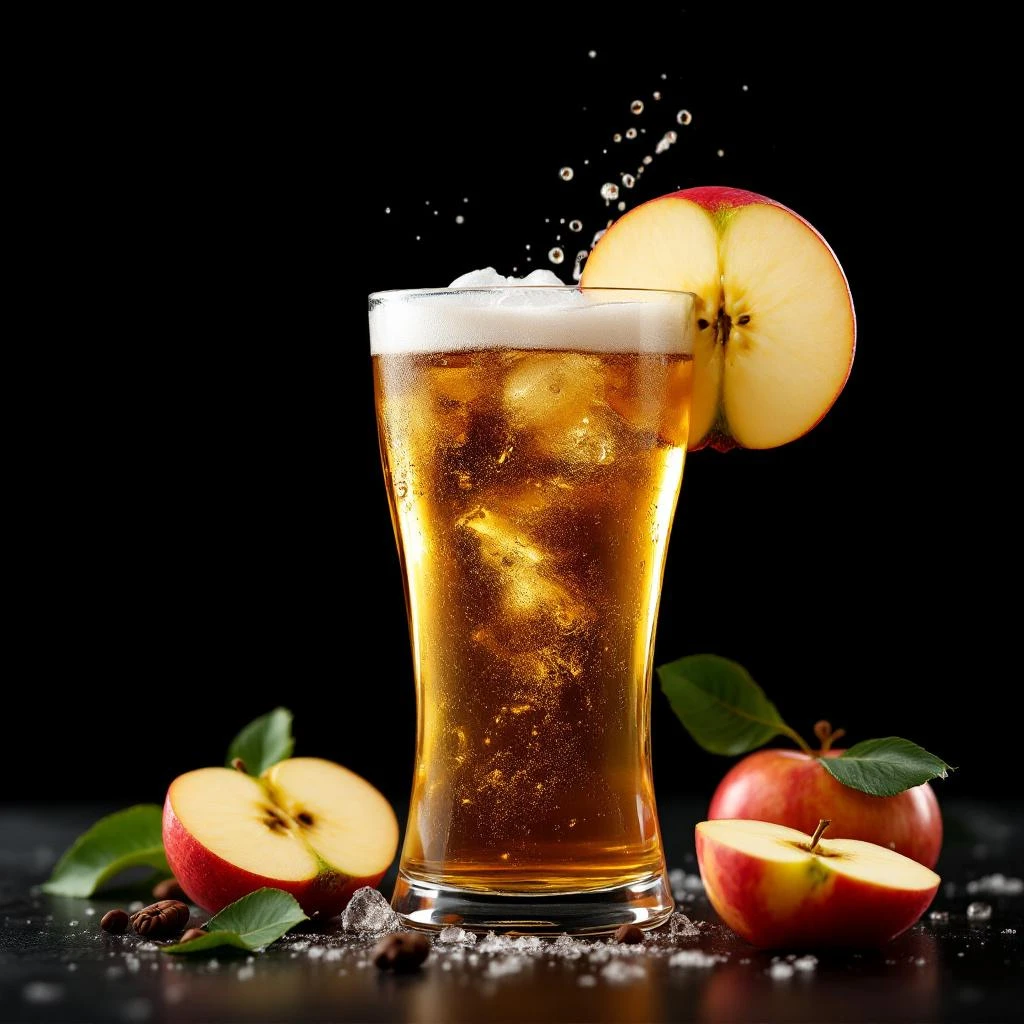
Apple cider captures the crisp, fermented sweetness of fresh-pressed apples, delivering a bright, tangy aroma that evokes orchard breezes and autumnal warmth.
Heritage
Apple aromas have flavored human culture since antiquity, with early Egyptian records noting the use of crushed apples in incense. Medieval European apothecaries distilled apple skins to create fragrant tinctures for both medicinal and ceremonial purposes. The industrial age brought large‑scale cider production in the United Kingdom and the United States, and by the late 1800s perfumers began experimenting with apple extracts as top‑note accents. The first documented apple cider absolute appeared in French perfume houses in the 1920s, where it added a bright, fermented edge to floral compositions. Post‑World War II, the rise of synthetic aroma chemicals allowed perfumers to replicate apple cider without seasonal fruit constraints, expanding its use in modern niche and mainstream fragrances. Today, apple cider remains a signature note for autumn‑inspired scents, celebrated for its ability to evoke both freshness and subtle warmth.
At a Glance
1
Feature this note
United States
Primary source region
Ingredient Details
Solvent extraction
Apple fruit, pressed juice
Did You Know
"Apple cider absolute contains up to 30% ethyl 2‑methylbutyrate, a compound that mimics the scent of ripe apples and is also found in tropical fruits like mango."