Character
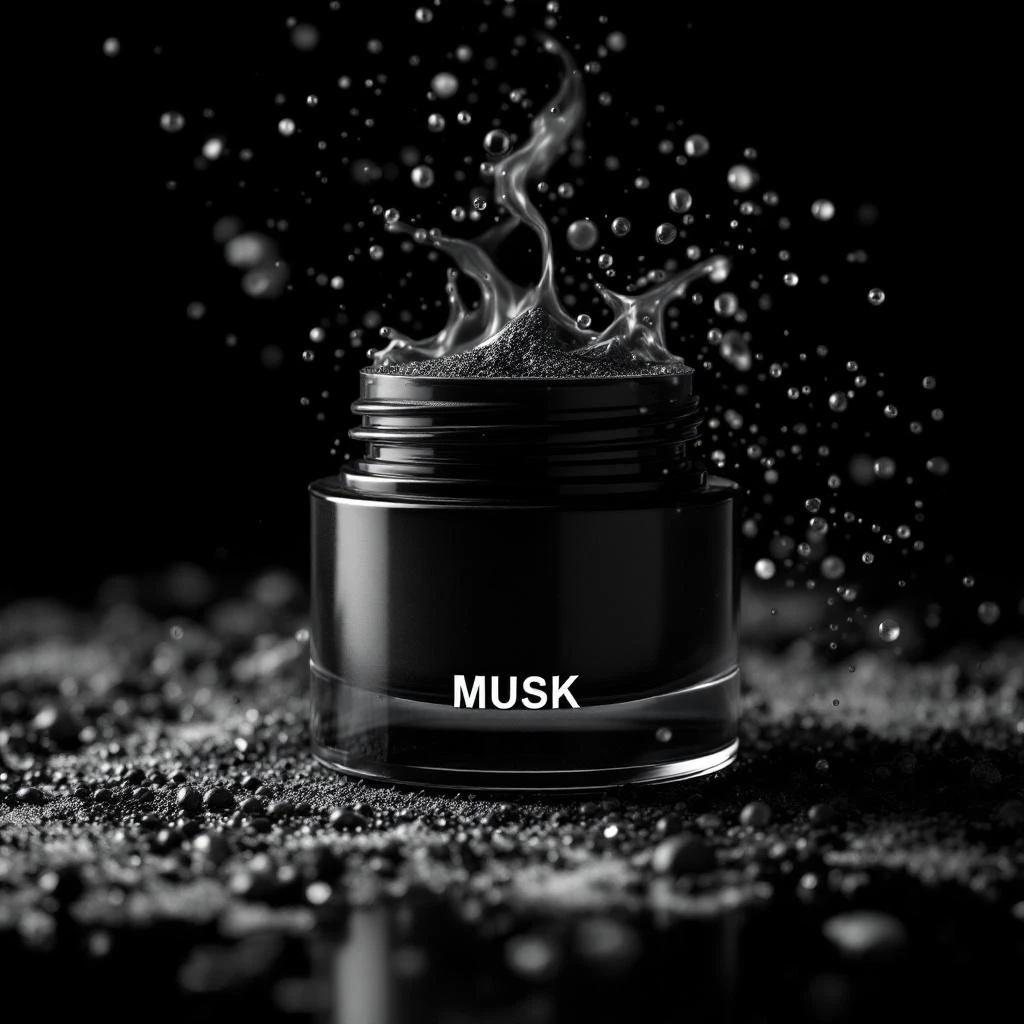
The Story of Animalic musk
Animalic musk delivers a deep, warm, slightly animal scent that anchors many classic perfumes, evoking the raw richness of the wild. Its lingering presence adds depth and sensuality, making it a cornerstone of sophisticated compositions.
Heritage
Animalic musk has shaped fragrance history for more than a millennium. Early records from the 8th century describe its use to perfume clothing and interior spaces in the Middle East and China. By the 12th century, trade routes carried musk to Europe, where it became a status symbol among aristocracy. The scent’s potent, slightly sweaty character was prized for its ability to mask body odor and to lend an aura of vitality. In the 19th century, the rise of industrial perfumery increased demand, leading to intensive hunting of Himalayan musk deer and the establishment of colonial farms in India and Nepal. Conservation concerns and the cruelty of gland extraction prompted the first international bans in the early 1900s, culminating in CITES protection for musk‑bearing species in 1975. The same period saw chemists develop the first synthetic nitro musks, which quickly replaced natural extracts in mainstream formulas. Today, animalic musk appears rarely in niche lines, often as a trace element blended with synthetic musks to evoke the historic depth while respecting modern ethical standards.
At a Glance
2
Feature this note
China
Primary source region
Ingredient Details
Solvent extraction
Musk gland
Did You Know
"The original musk from the Himalayan musk deer can weigh as little as 0.5 grams, yet a single gland yields enough material to scent dozens of bottles for years."