Character
The Story of Ambrosia flower
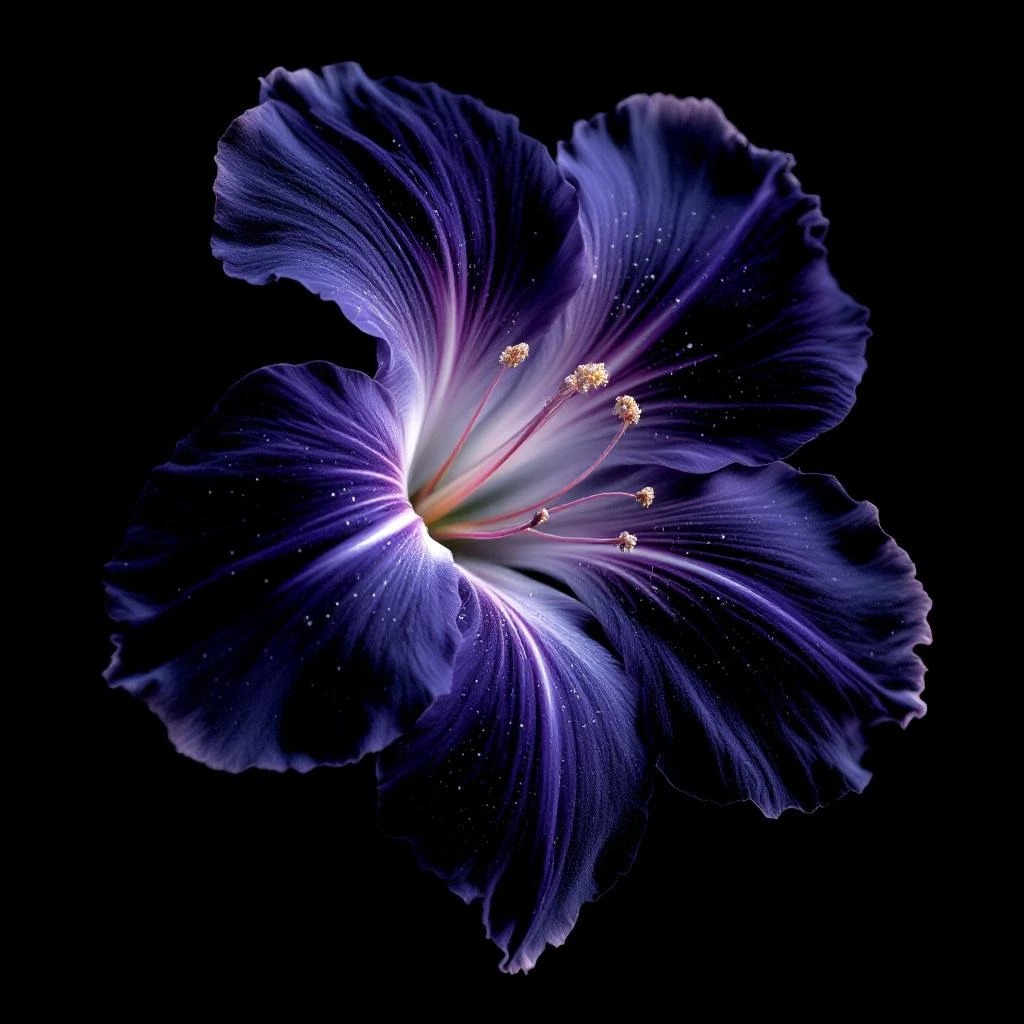
Ambrosia flower delivers a honey-sweet, slightly green aroma that bridges fresh greens and warm gourmand tones, making it a versatile accent in modern compositions.
Heritage
Ancient Greek poets named the divine food "ambrosia," a term later attached to several wild plants, including the ragweed species that bears the Ambrosia flower. Indigenous peoples of the North American plains used the plant in ceremonial smudges and as a soothing poultice, noting its sweet scent after drying. Botanical surveys in the 1800s recorded the flower’s distribution across the Midwest, and by 1910 French chemists began experimenting with its aromatic potential. The first commercial absolute emerged in 1935 from a Paris laboratory, entering niche perfume houses that sought a green‑sweet note distinct from traditional florals. Throughout the late 20th century, Ambrosia appeared in avant‑garde compositions, and today it remains a subtle bridge in green and gourmand fragrance families.
At a Glance
1
Feature this note
United States
Primary source region
Ingredient Details
Solvent extraction
Flower petals
Did You Know
"Despite its reputation as a ragweed allergen, the Ambrosia flower yields a prized absolute that perfumers use to add a subtle honey-grass nuance, a fact discovered by French chemists in 1932."