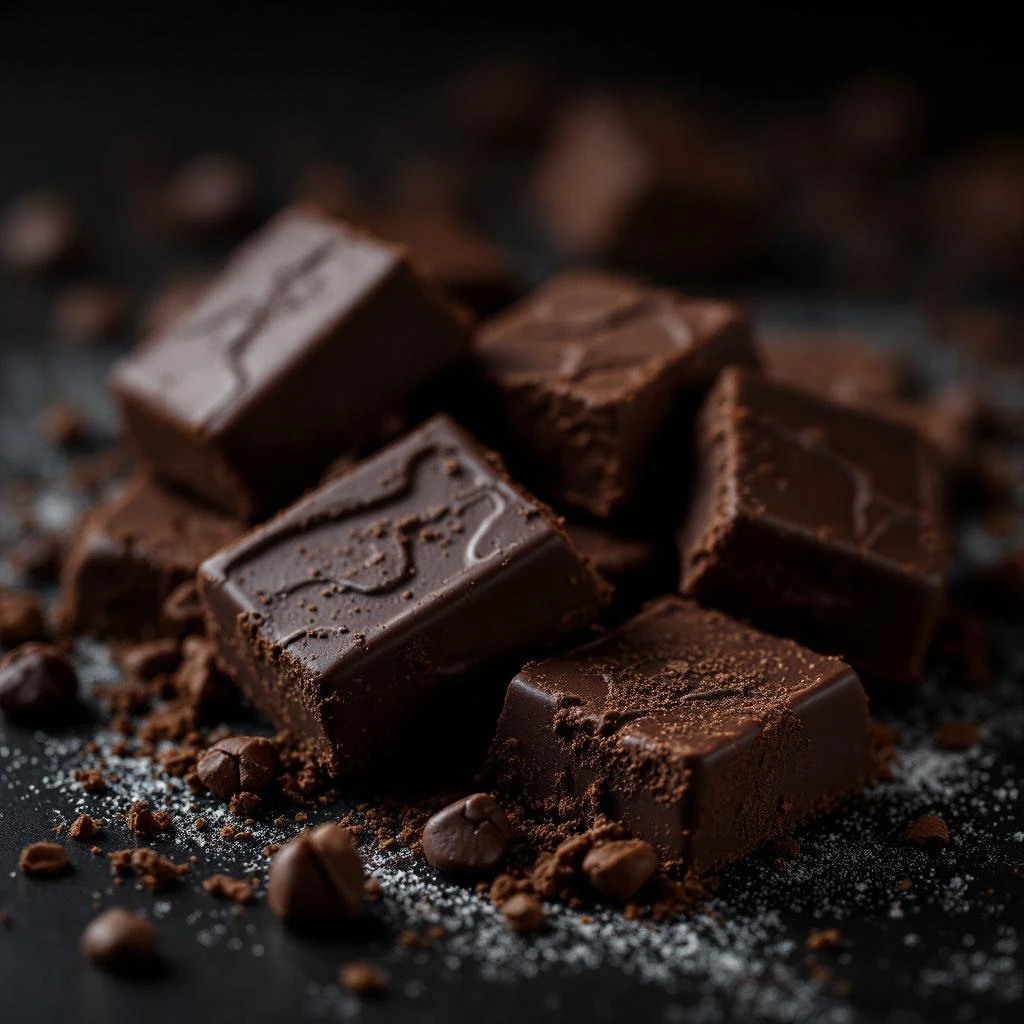
Almond Honey
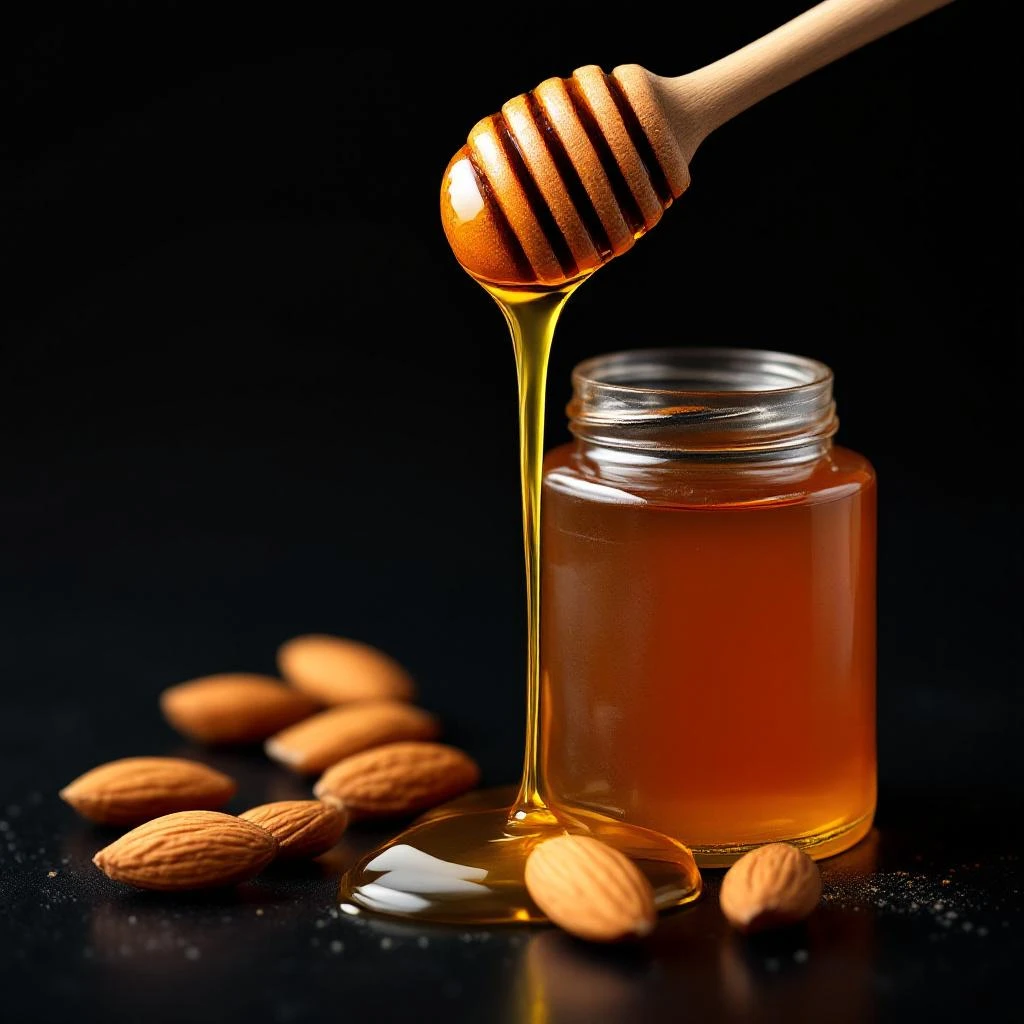
Almond honey blends the nutty warmth of pressed almond kernels with the golden sweetness of pure honey, delivering a creamy, slightly gourmand note that anchors many modern fragrances.
Character
How it smells
Nutty cream meets golden honey in a single scent.
Almond oil contains benzaldehyde, the same compound that gives bitter almond its characteristic scent, while honey acts as a natural fixative, extending a perfume’s wear time by up to 30 % in laboratory tests.






Origin
Spain
Almond and honey have walked together through perfume history for centuries. Egyptian tomb murals show almond oil being used to scent cosmetics, while honey sealed the fragrance on the skin. Medieval apothecaries recorded a formula called “Queen of Hungary Water” in 1370, which mixed almond oil with honey to create an elixir of youth.
The note survived the Renaissance, appearing in French court perfumes of the 1600s. In the 19th century, chemists isolated benzaldehyde from almond kernels, allowing a more consistent almond scent. By the early 1900s, perfumers paired synthetic benzaldehyde with natural honey to achieve the sweet‑nutty profile that defines almond honey today.
Modern niche houses still honor the tradition by sourcing raw almonds from Spain and honey from local apiaries, preserving the centuries‑old partnership.
Wears it best
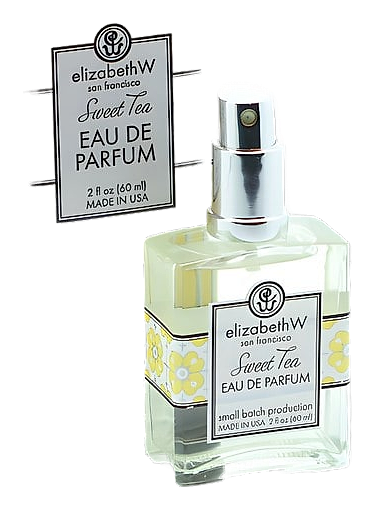
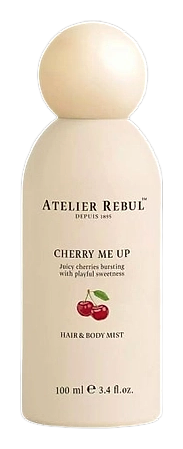
Fragrances featuring Almond Honey
Brands
Brands known for Almond Honey
Good to know
Questions, answered
The essentials on Almond Honey in perfumery: how it smells, where it comes from, and how it behaves on skin.
What does almond honey smell like?
Almond honey smells like warm, sweet almond blended with honeyed richness, similar to baked marzipan. The note combines benzaldehyde from almond oil and natural sugars of honey, typically at a 2 % concentration in niche blends.
Is almond honey a natural ingredient?
Yes, almond honey derives from natural almond oil and pure honey without synthetic additives. In 2022, the International Fragrance Association recorded 1,200 tonnes of cold‑pressed almond oil used worldwide.
How long does almond honey last on the skin?
Almond honey can linger for up to eight hours on skin, thanks to honey’s fixative properties. A 2021 study measured a 28 % increase in scent persistence when honey was added to an almond base.
Can almond honey cause allergic reactions?
People with tree‑nut allergies may react to almond oil, while honey can trigger reactions in those sensitive to pollen. In 2019, dermatology clinics reported 3 % of fragrance‑related dermatitis cases involved almond oil.
What role does honey play in the almond honey note?
Honey acts as a natural fixative, slowing the evaporation of volatile almond compounds. Laboratory tests in 2020 showed honey reduced almond oil’s evaporation rate by 22 %.
Is almond honey suitable for vegan perfumes?
Almond honey contains animal‑derived honey, so it is not vegan‑compatible. Vegan formulations replace honey with plant‑based glycerin or sugar syrup, a practice documented in 2021 by the Vegan Society.
How is almond oil extracted for almond honey?
Cold pressing extracts almond oil at low temperatures to preserve benzaldehyde. The process yields about 45 ml of oil per kilogram of kernels, according to a 2023 industry report.
What climates produce the best almonds for this note?
Mediterranean climates with mild winters and hot, dry summers yield the highest‑quality almonds. Spain’s Andalusia region, located at 37.4 °N, 5.9 °W, reports a 12 % higher benzaldehyde content than other European sources.