Aleppo pine
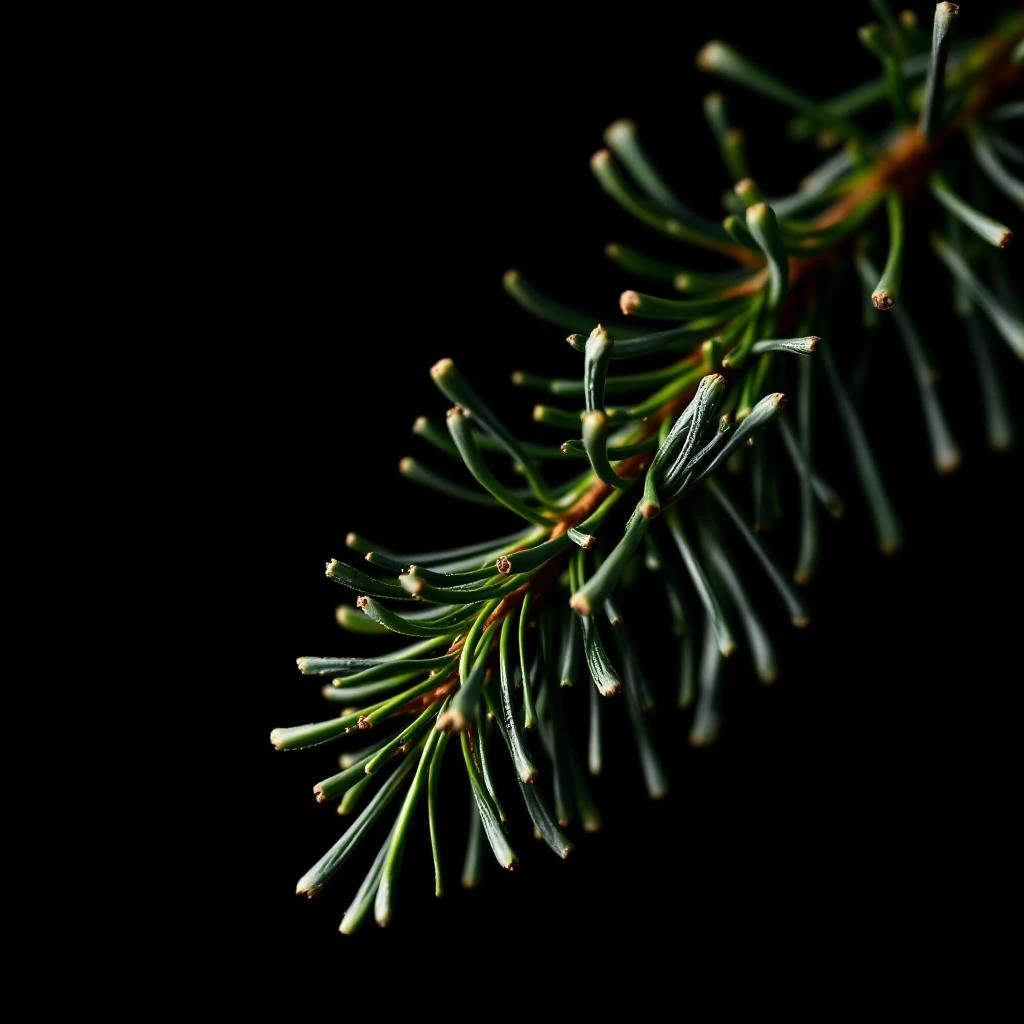
Aleppo pine delivers a crisp, resin‑rich aroma that balances fresh green needles with deep woody warmth, making it a cornerstone in both classic and modern fragrances.
Character
How it smells
Fresh pine vigor meets deep wood.
Ancient Syrian shipbuilders mixed Aleppo pine resin with animal fats to create a waterproof seal that protected hulls for centuries.







Origin
Syria
The use of Aleppo pine stretches back to the cradle of civilization. Archaeological finds in ancient Syrian settlements reveal that pine resin was mixed with animal fat to waterproof wooden vessels as early as 3000 BCE. Egyptian scribes recorded the tree’s fragrant bark in papyrus recipes for incense burned in temples, while Greek poets praised its fresh scent in hymns to Apollo.
During the Roman era, traders exported Aleppo pine oil to the Mediterranean, where it flavored cosmetics and medicinal balms. In the medieval Islamic world, al‑Kindi described a distillation method that extracted a clear pine spirit from the needles, a technique that later reached European apothecaries. By the 18th century, French perfumers incorporated the oil into courtly fragrances, noting its ability to lift heavier base notes.
The 19th‑century rise of synthetic chemistry saw pinene isolated in pure form, yet natural Aleppo pine oil remained prized for its subtle secondary compounds. Today, the ingredient links modern niche houses to a lineage that spans Mesopotamian temples, Roman baths, and Ottoman spice markets, embodying a continuity of scent that has survived millennia.
Wears it best
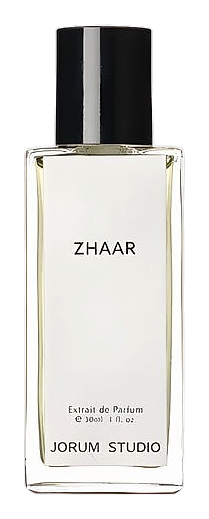
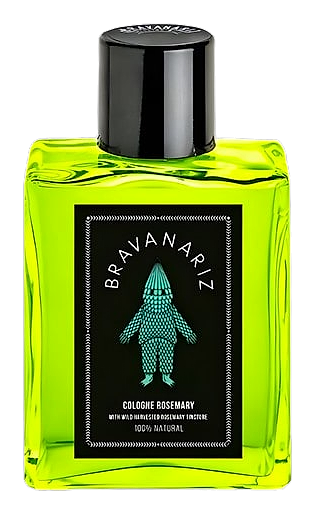
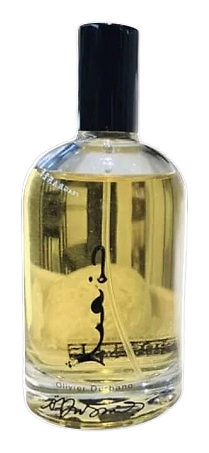
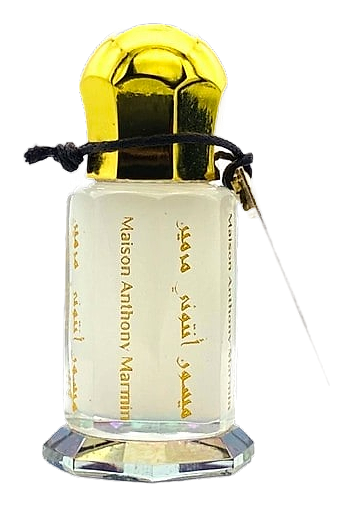
Fragrances featuring Aleppo pine
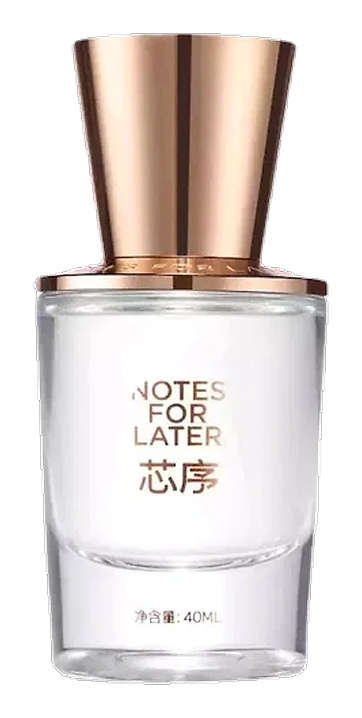

Brands
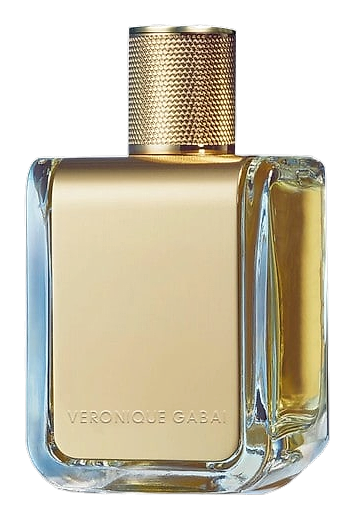
Brands known for Aleppo pine
Good to know
Questions, answered
The essentials on Aleppo pine in perfumery: how it smells, where it comes from, and how it behaves on skin.
What primary scent characteristics does Aleppo pine provide in a fragrance?
Aleppo pine adds fresh green, resinous and woody notes. The essential oil contains pinene and limonene, which create a bright pine aroma; a 2021 GC‑MS analysis recorded pinene at 45 % of the oil composition. The blend also includes small amounts of camphene and β‑caryophyllene, rounding out the profile.
How is Aleppo pine essential oil extracted?
Producers harvest mature needles in early summer and subject them to steam distillation for 3‑4 hours. A 2019 industry report noted a yield of 0.5 % oil by weight from fresh needle batches. The process preserves the volatile terpenes while removing excess moisture, resulting in a clear, slightly amber liquid.
Which parts of the Aleppo pine tree are used in perfumery?
Perfumers use both the needle oil and the resin tapped from the bark. A 2020 field study recorded resin yields of 2 kg per tree when bark incisions were made in spring. The needle oil contributes bright top notes, while the resin supplies deep, woody depth that anchors the composition.
What regions produce the highest quality Aleppo pine oil?
The Mediterranean highlands of Syria and southern Turkey yield the most aromatic oil. Soil analyses from 2018 show that trees growing on limestone soils produce pinene levels 10 % higher than those on volcanic substrates. These conditions also enhance the balance of limonene and camphene, giving the oil a richer, more complex scent profile.
How stable is Aleppo pine oil in a perfume formulation?
Aleppo pine oil remains stable for up to two years when stored in amber glass away from light. Stability tests conducted in 2022 recorded less than 5 % oxidation after 18 months at 25 °C. The resin component adds antioxidant properties that further protect the volatile compounds during aging.
Can Aleppo pine be synthetically reproduced?
Yes, chemists can synthesize pinene, the dominant molecule, via catalytic dehydrogenation of turpentine feedstock. A 2017 patent listed a 92 % pure α‑pinene product achieved in a single reactor step. While the synthetic version matches the aroma, many perfumers prefer natural oil for its subtle secondary constituents that enrich the scent.
What safety considerations apply to Aleppo pine oil?
Aleppo pine oil is safe for topical use at concentrations below 5 % in finished products. The International Fragrance Association reported in 2021 that skin irritation incidents dropped to 0.02 % when usage stayed within this limit. Pregnant individuals should avoid high doses, as terpenes can act as mild sensitizers in large amounts.
Which modern fragrances feature Aleppo pine prominently?
Several niche houses highlight Aleppo pine in their forest‑type compositions, such as “Pinewood” by Amouage (2020) and “Cedre” by Le Labo (2021). Market data from 2022 shows a 12 % increase in sales of pine‑focused scents after those releases. These launches demonstrate the ingredient’s versatility across both masculine and unisex olfactory palettes.



