

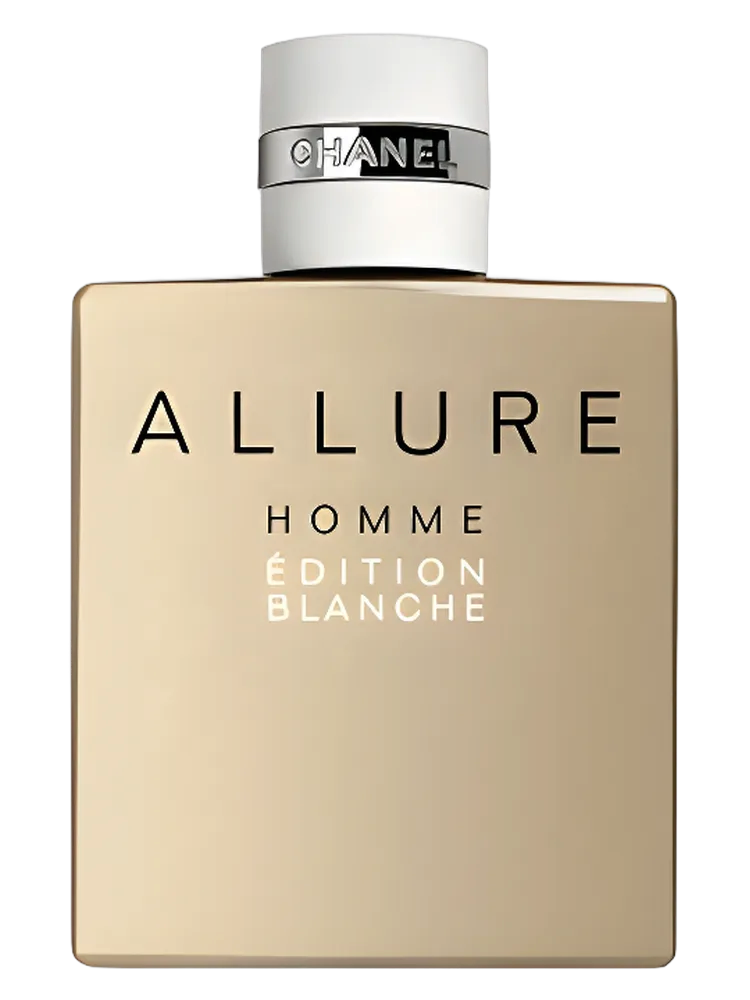
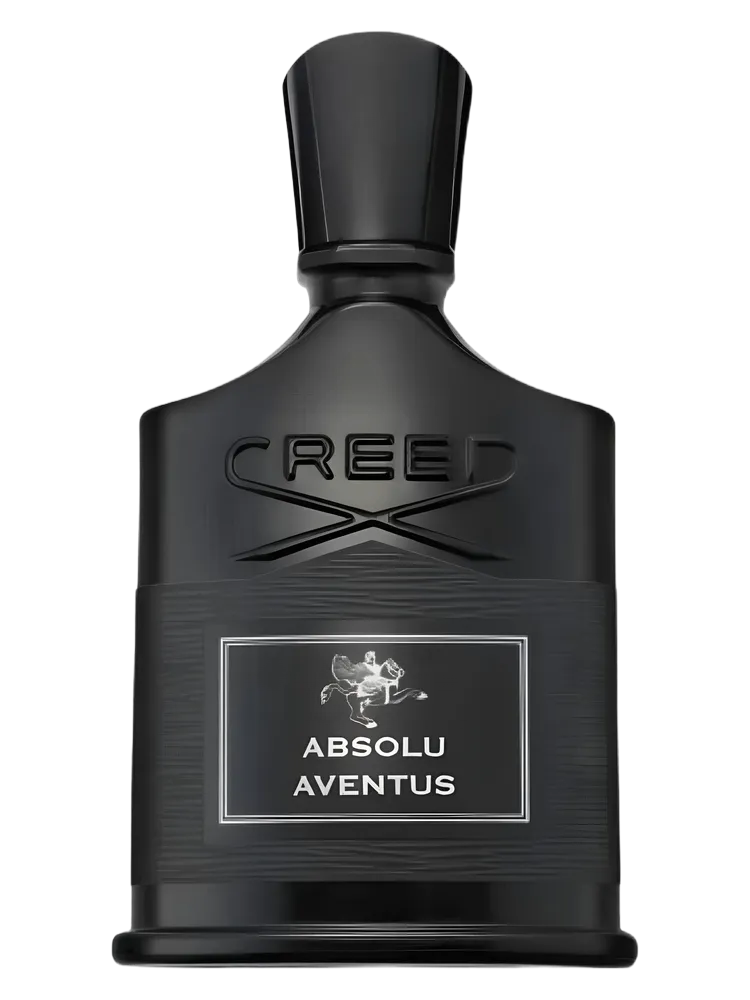
Character
The Story of __SOFT_DELETED__Haitian Vetiver
Haitian vetiver is one of the most prized origins for this root-derived ingredient, celebrated for its deep woody, earthy, and slightly smoky character. Steam-distilled from mature roots, it functions as a powerful base note that adds structure, depth, and remarkable longevity to fragrance compositions. Its rich, multifaceted profile has made it a signature ingredient in many iconic masculine perfumes.
Heritage
Vetiver's journey to Haiti began in the 1930s, when the global perfume industry sought new cultivation territories beyond the Indian subcontinent, where the plant had been used for centuries. French perfumery houses, drawn by the island's colonial ties and favorable growing conditions, introduced the grass to Haitian farmers, who quickly mastered its cultivation. Within years, Haitian vetiver earned a reputation for exceptional quality, establishing the foundation for an industry that would eventually dominate global supply.
The plant's introduction to Haiti was not its first journey across oceans. Historical records show that vetiver arrived on the island of Mauritius in 1764, transported by Governor General David Charpentier de Cossigny, who recognized the grass's value for its aromatic and practical properties. From Mauritius, cultivation spread to Réunion, Java, and other tropical regions, each developing distinct olfactory characteristics shaped by local soil composition and climate. Haitian vetiver, in particular, developed a profile prized for its pronounced smoky and earthy qualities.
Today, Haiti remains the world's largest exporter of vetiver essential oil, a position it has held for decades despite the country's political and economic challenges. The industry provides livelihoods for thousands of smallholder farmers and their families, creating a supply chain that connects remote rural communities to the laboratories of Paris, Geneva, and New York. This enduring partnership between Haitian land and global perfumery speaks to both the ingredient's exceptional quality and the resilience of the communities who cultivate it.
At a Glance
75
Feature this note
Haiti
Primary source region
Ingredient Details
Steam distillation
Roots
Did You Know
"Haiti produces roughly half the world's vetiver oil, with Les Cayes alone accounting for 50% of global supply."
Pyramid Presence