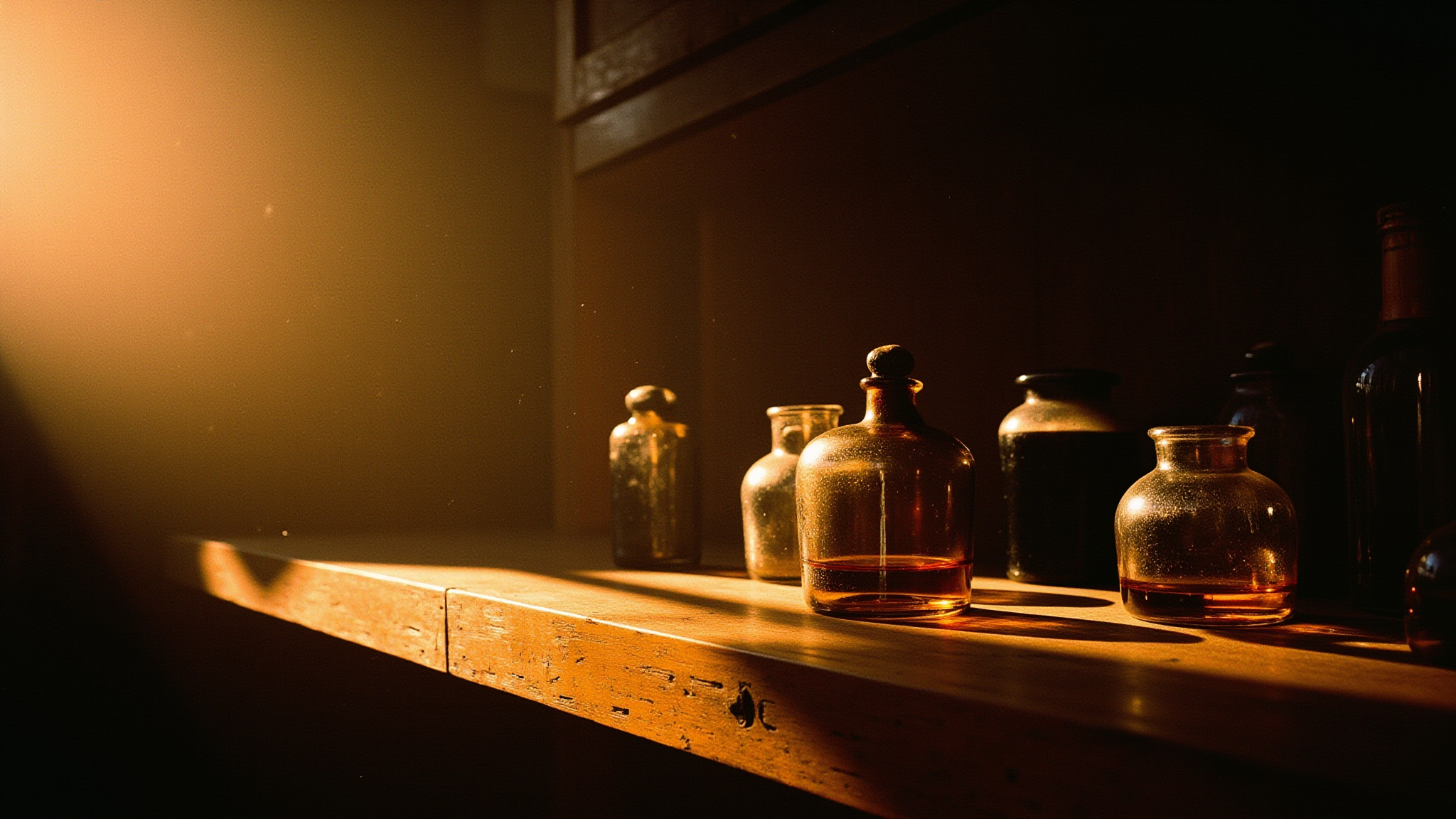
Does Perfume Expire?
Your old bottle isn't dangerous, but it might smell like regret. Here's how to know.
You’re staring at a bottle you haven’t touched in three years, wondering if it’s still good. Yes, perfume expires. It won’t grow mold in a way that’ll send you to the hospital, but it will turn into something that smells more like a dusty attic than the scent you remember loving.
That slow decline is oxidation at work. The moment you first spray a bottle, air rushes in to replace the liquid, and that oxygen starts a quiet, unstoppable reaction with the fragrance oils. Heat and sunlight speed it up, but even a bottle kept in perfect darkness is on a slow clock.
The good news is you get a long grace period. Most fragrances stay beautiful for three to five years after opening, and unopened bottles can last decades if you treat them right. Let’s talk about what’s actually happening inside the glass, how to spot a goner, and whether you should still spray that vintage find on your skin.
How long does perfume last in the bottle?
Three to five years after the first spray is a safe window for most fragrances, but that number is a guideline, not a warranty. A light citrus cologne might start fading noticeably after two years, while a heavy oriental packed with resins and woods can smell incredible at ten. I’ve owned a bottle of amber-heavy extrait that hit its peak around year six, deeper and smoother than the day I bought it.
What’s happening chemically is that top notes are the first to go. Those bright, volatile molecules (bergamot, lemon, lavender) oxidize fastest, so an older bottle often smells flatter in the opening but still delivers on the heart and base. You might spray it and think something’s missing, only to realize the dry-down is exactly as you remember.
Does unopened perfume expire?
An unopened bottle in its original box, stored somewhere cool and dark, can last ten, twenty, even fifty years without turning. The seal keeps oxygen out, and the box blocks light. I’ve cracked open vintage finds from the 1980s that smelled pristine, and I’ve opened others from the same era that smelled like vinegar. The difference is always storage history, which you rarely get to know when buying secondhand.
There’s a thriving collector market for sealed vintage fragrances precisely because they can survive so long intact. But once you break that seal and introduce air, the clock starts. So if you find a discontinued gem at an estate sale, don’t open it just to smell it unless you’re ready to start using it.
How to tell if perfume has gone bad
Your nose knows faster than your eyes. A turned perfume usually smells off in one of three ways: the top notes have vanished completely and what’s left is a dull, waxy ghost of the original; the oil has soured into something sharp and vinegary; or there’s a musty, stale note that reminds you of old potpourri in a basement bathroom.
Visual and physical signs are secondary but useful:
- The liquid has darkened significantly, moving from pale gold to amber or even brown
- There’s sediment floating in the bottle or a cloudy haze that wasn’t there before
- The sprayer sticks or the juice feels tacky on your skin instead of evaporating cleanly
- The scent disappears within minutes because the volatile compounds have broken down
One weird thing I’ve noticed: sometimes a bottle that looks terrible (dark brown, a little sludge around the cap) still smells great, and a crystal-clear bottle can be completely dead. Trust your nose over your eyes every time.
Can you use expired perfume?
You can, and you probably won’t get a rash from it unless your skin is particularly reactive. The alcohol base is hostile to bacteria, so old perfume rarely becomes a health risk. The real question is whether you want to walk around smelling like something that’s turned.
If the scent has only faded a bit and the base notes still smell pleasant, spritz it on fabric instead of skin. A scarf or jacket will hold the remaining character without the off notes that skin warmth can amplify. If it’s gone sour or vinegary, just let it go. Spraying it anyway and hoping nobody notices is a losing game (and some turned fragrances project that sourness surprisingly far).
How to store perfume so it lasts
Keep it in a cool, dark, dry place. That’s the entire strategy. A bedroom drawer, a closet shelf, or the original box tucked away from radiators and windows covers 95% of what you need to know.
The bathroom cabinet is the classic mistake. Every hot shower floods the room with steam and swings the temperature, which accelerates oxidation dramatically. I’ve seen bottles turn in under a year stored on a bathroom counter, while the same fragrance in a dark drawer stayed perfect for five.
A few specifics worth knowing:
- Refrigeration is fine but unnecessary for most fragrances. If you live somewhere very hot and don’t have air conditioning, a dedicated fridge drawer set to around 12-15°C (54-59°F) can extend life, but don’t freeze it. Freezing can separate the oils from the alcohol.
- Keep the cap on tight. Loose caps let air circulate and alcohol evaporate slowly, concentrating the oils and speeding up oxidation.
- Don’t decant into splash bottles unless you’ll use them quickly. Every time you open a splash bottle, you expose the entire surface area to fresh air.
- Original boxes are worth keeping. They block light completely and provide insulation against temperature swings.
Common mistakes that ruin perfume faster than necessary
People treat fragrance bottles like bathroom decor, and that’s exactly what kills them. The most common mistake is displaying bottles on a vanity near a window. Direct sunlight can turn a fragrance in weeks, not months. UV light breaks chemical bonds aggressively, and you’ll see the color shift before the smell goes, but it’s coming.
Another mistake is shaking the bottle. You’re not mixing anything useful. You’re introducing extra oxygen into the liquid, which is exactly what you’re trying to avoid. A gentle tilt to check the level is all you need.
Storing bottles in a car, even in the glove box, is a fast track to destruction. Summer heat cycles can cook a fragrance inside a parked car in a single afternoon. I’ve ruined a travel spray that way and the smell afterward was so unpleasant I tossed the whole thing at a gas station trash can.
Quick answers
FAQ
Can expired perfume cause a skin reaction?
It can, though it’s uncommon. As fragrance oils oxidize, they form new compounds that some people find irritating. If your skin turns red or itchy after spraying an old bottle, wash the area with soap and water and stop using it. The reaction is usually mild and resolves quickly.
Does perfume expire faster after opening?
Yes, and significantly so. An unopened bottle is a sealed environment. Once you spray it, oxygen enters and the oxidation process begins. That first spray is the starting gun for your three-to-five-year window.
What happens if you use expired perfume?
Best case, you smell a bit flat and the fragrance disappears quickly. Worst case, you smell actively unpleasant, like rancid oil or stale alcohol. It’s not dangerous, but it’s not doing what perfume is supposed to do.
Do oil-based perfumes expire differently than alcohol-based ones?
Oil-based fragrances tend to go rancid rather than evaporate, because there’s no alcohol to preserve them. They can turn faster once opened and you’ll notice a cooking-oil-gone-bad smell when they’re done. Alcohol-based perfumes are more stable, but both types degrade with time and exposure.
How can I make my perfume last longer in the bottle?
Store it in a cool, dark drawer, keep the cap tight, and leave it in its original box if you have it. Don’t decant into smaller bottles unless you’re traveling and will use the decant quickly. Every transfer exposes the liquid to more air.
Is it safe to buy vintage perfume?
Usually, yes. Many collectors buy vintage fragrances specifically for discontinued formulations that smell different from modern versions. The risk is that you don’t know the storage history, so you might get a turned bottle. Buy from sellers who describe the scent condition honestly, not just the bottle aesthetics.
More answers in our fragrance guides, or explore every brand we cover.