The Heritage
The Story of Estée Lauder
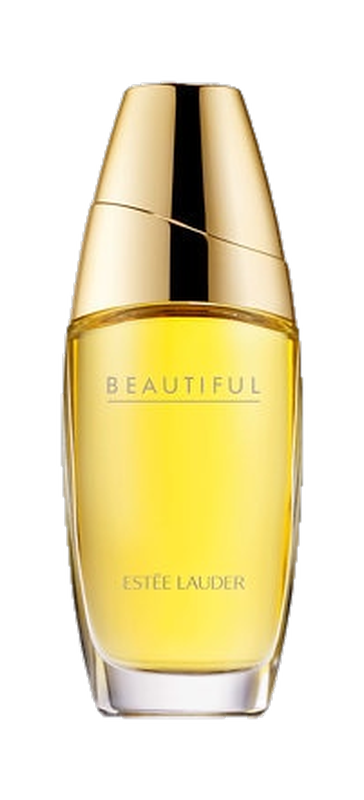
Estée Lauder stands as one of the defining houses in modern perfumery, born from the ambition of a woman who believed every person deserved to feel beautiful. Founded in 1946 in New York City by Estée Lauder and her husband Joseph, the company began with just four skincare products and grew into the world's second-largest cosmetics corporation. Today, the brand continues to embody the founder's original vision of transformative beauty, creating fragrances that balance timeless elegance with contemporary relevance. Estée Lauder's scent collection spans decades of olfactory innovation, from the legendary Beautiful to newer interpretations that honor the house's rich heritage while appealing to modern sensibilities.
Heritage
Estée Lauder was born Josephine Esther Mentzer in 1908 in Queens, New York, to parents of Hungarian and Slovak descent. Her uncle, a chemist, sparked her lifelong fascination with skincare by creating velvety creams at home, first in the family kitchen and later in a converted stable laboratory. Estée absorbed his formulations and techniques during these early years, learning the craft that would define her career. She met Joseph Lauder in the late 1920s, married him in 1930, and the couple eventually adopted the spelling 'Lauder' to correct a clerical error from Joseph's father's immigration paperwork. In the 1930s, Estée began selling her products directly in beauty salons, demonstrating her creams on women while they sat under hair dryers. This hands-on approach became a cornerstone of the brand's customer philosophy. The company officially launched in 1946, and within a year landed an $800 order from Saks Fifth Avenue, marking the beginning of department store distribution. From these humble kitchen-table origins, Estée and Joseph built a global empire that would forever change how beauty products reached consumers.
Craftsmanship
Estée Lauder collaborates with the world's most skilled perfumers to bring its visions to life, including renowned noses like Sophia Grojsman and Bernard Chant, working alongside teams at IFF. The house approaches fragrance creation as both art and science, selecting ingredients with meticulous care and attention to quality. Each component undergoes rigorous evaluation to ensure it meets the exacting standards established by the founder. The production process reflects a commitment to excellence that spans from laboratory to boutique, with quality control at every stage. Perfumers work with a vast palette of natural and synthetic materials, blending traditional techniques with modern innovations. The house maintains relationships with trusted suppliers around the world, securing the finest raw materials for its fragrances. Every bottle represents countless hours of formulation, testing, and refinement, ensuring that the final product delivers a consistent and exceptional experience.
Design Language
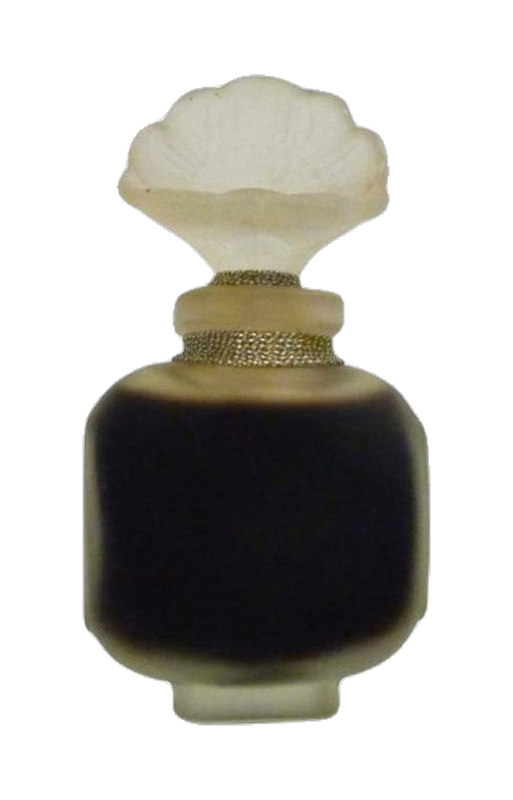
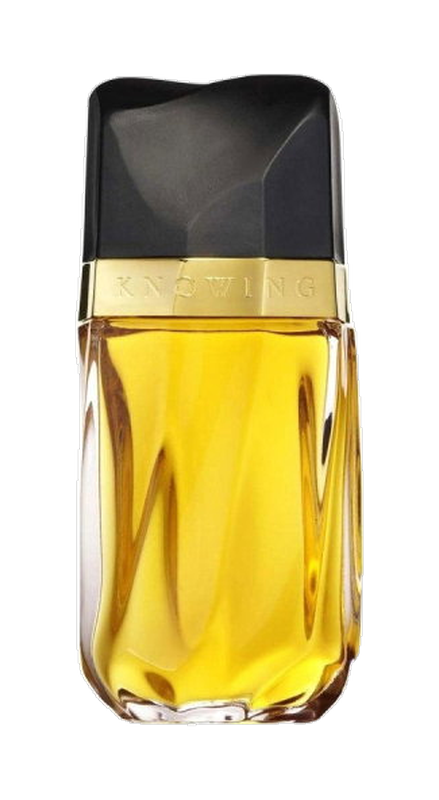
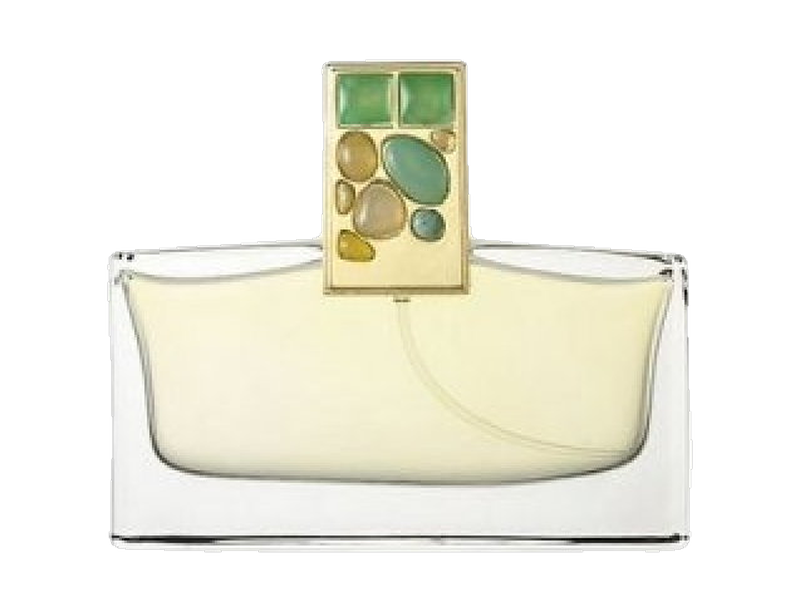
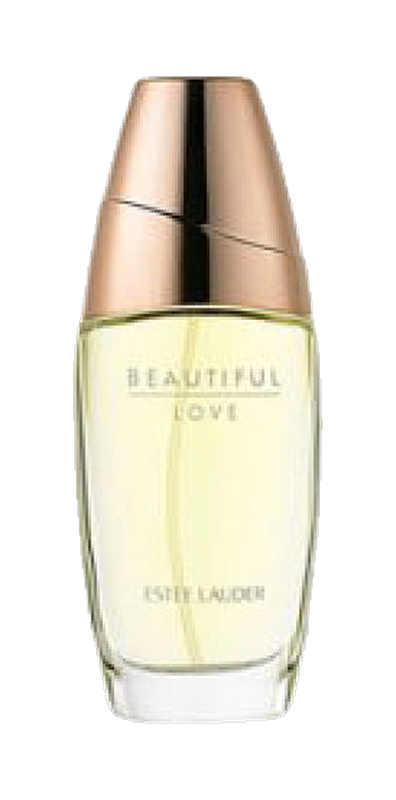
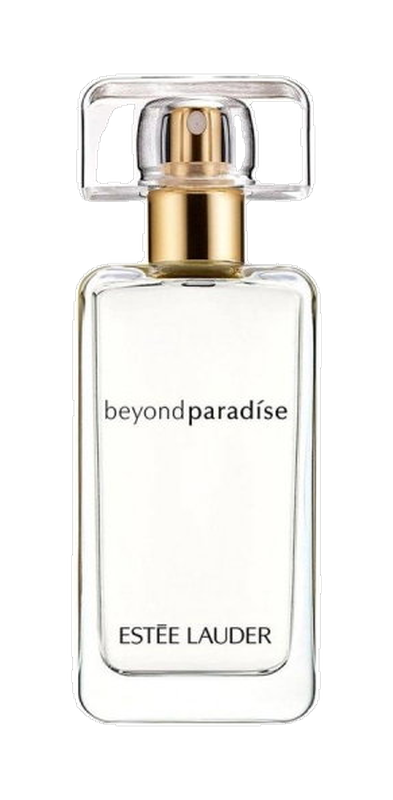
The visual identity of Estée Lauder fragrances embodies sophisticated elegance with clean, confident design language. Bottle aesthetics vary by collection, from the classic faceted silhouettes of signature scents to more contemporary interpretations that speak to evolving tastes. The brand favors understated luxury, avoiding excess in favor of refined details that reward close inspection. Signature touches, such as the distinctive cap designs and label treatments, create immediate recognition across the fragrance range. The packaging reflects the founder's own sense of style, always polished and intentional. Color palettes draw from natural beauty, with soft blush tones, deep jewel hues, and clear crystal finishes appearing throughout the collection. Every visual element serves the fragrance itself, creating an integrated experience from first glimpse to final spray.
Philosophy
The philosophy guiding Estée Lauder fragrances rests on an unwavering belief in the emotional power of scent. The founder famously declared, 'I never dreamed about success. I worked for it,' a sentiment that continues to drive the house's approach to perfumery. Every fragrance must tell a story and evoke a feeling, transforming the act of wearing perfume into a deeply personal ritual. Estée Lauder championed direct customer engagement, famously attending nearly every new store opening and spending weeks training beauty advisors. She understood that selling beauty meant helping customers discover their own radiance, not simply moving merchandise. The brand's approach to fragrance creation honors this legacy, balancing technical mastery with intuitive understanding of what wearers seek from a scent. The house believes in the democratization of luxury, ensuring that exceptional quality remains accessible to those who desire it. Innovation and tradition coexist here, with each new fragrance building upon decades of olfactory expertise while pushing creative boundaries.
Key Milestones
1946
Estée and Joseph Lauder officially launch their cosmetics company in New York City with four skincare products
1953
Youth-Dew debuts as a bath oil that doubles as perfume, becoming a commercial phenomenon that accelerates company growth
1960
The company opens its first international account at Harrods department store in London
1968
Clinique launches as the first dermatologist-guided, fragrance-free cosmetic brand, introducing new standards to the industry
1985
Beautiful Eau de Parfum debues, crafted by perfumer Sophia Grojsman, becoming one of the house's most enduring fragrances
At a Glance
Brand profile snapshot
Origin
United States
Founded
1946
Heritage
80
Years active
Collection
6
Fragrances released
Avg Rating
3.6
Community sentiment