



The Heritage
The Story of Demeter Fragrance Library
Demeter Fragrance Library is the wildly unconventional American perfume house that turned the fragrance world upside down by bottling the scents of everyday life. Founded in 1993 by former Kiehl's perfumer Christopher Brosius and entrepreneur Christopher Gable, this Great Neck, New York company built its reputation on single-note fragrances that capture the aroma of rain on pavement, fresh-cut grass, baby powder, gin and tonic, even Play-Doh. With over 200 distinct creations spanning from the nostalgic to the bizarre, Demeter (sold as The Library of Fragrance in Europe) operates on a radically democratic premise: perfume should be fun, accessible, and deeply personal. Their scents arrive in simple, utilitarian bottles at approachable prices, inviting experimentation and layering rather than preciousness. It is perfumery as time machine, as inside joke, as pure sensory play.
Heritage
The Demeter story begins in 1993 inside a cramped workspace in New York City, where Christopher Brosius, a visionary perfumer who had honed his craft at Kiehl's Pharmacy, joined forces with Christopher Gable, a business-minded collaborator who shared his radical vision. Brosius arrived at fragrance through an unlikely path. After studying visual design in college, he spent years driving a taxi through Manhattan's streets, an experience that crystallized his aversion to overpowering scents. As he later explained, certain passengers would leave behind olfactory ghosts that haunted his cab for hours. This frustration evolved into clarity: fragrance should capture real moments, real memories, real life. Not abstract fantasies of French gardens or Arabian nights, but the dirt beneath your fingernails, the tomato vine in your grandmother's garden, the snow falling outside your window. The breakthrough came in 1996, three years after founding, when Demeter launched its first three fragrances at Henri Bendel, the legendary New York department store that had launched countless American beauty brands. Dirt, Grass, and Tomato hit the shelves. The response was immediate and electric. Shoppers did not just buy these scents; they laughed with recognition, they told stories, they returned with friends. Dirt smelled like exactly that: earth, soil, the ground itself. Grass captured that particular green freshness of a lawn just after mowing. Tomato delivered the verdant, slightly acidic snap of tomato vines warmed by summer sun. These were not perfumes in any conventional sense. They were memories you could wear. The success of those first three scents propelled Demeter into uncharted territory. By the early 2000s, the catalog had expanded dramatically. Gin and Tonic arrived, effervescent and botanical. Baby Powder captured that clean, soft innocence. Play-Doh bottled the slightly salty, distinctly artificial scent of childhood craft time. Snow offered the crisp, metallic freshness of winter air. The collection grew to over 200 fragrances, each one a specific snapshot of sensory experience. In 2002, Brosius and Gable sold the company to Freedom Marketing Group, a Pennsylvania-based company that understood the brand's unconventional appeal. Mark Crames stepped in as manager, and later as CEO, steering Demeter through its next evolution while maintaining its core identity. Under Crames' leadership, Demeter continued expanding its library, introducing themed collections like the 2007 Jelly Belly collaboration that translated jelly bean recipes into wearable scents. The company also developed bath and body products, room sprays, and diffuser oils, always maintaining that same straightforward, single-note approach. A significant turning point came in 2015, when Demeter launched in the United Kingdom under the name The Library of Fragrance. The ancient Greek goddess Demeter was already trademarked by another company in Europe, forcing the rechristening. The move proved successful, introducing British consumers to the same whimsical approach that had captivated Americans. That same year, the brand launched Mountain Air, a scent capturing the specific atmospheric quality of Alaskan wilderness. Through all these changes, Demeter has remained stubbornly, wonderfully itself. It never tried to become a traditional French perfume house. It never chased luxury positioning or couture credibility. It stayed true to Brosius's original vision: fragrance as memory, as story, as accessible art.
Craftsmanship
Creating a Demeter fragrance requires a different kind of perfumery expertise than traditional European houses demand. While French maisons might spend years perfecting a complex accord, Demeter's perfumers focus on isolation and clarity. How do you capture the exact smell of a thunderstorm? Not the romantic idea of rain, but the actual petrichor released when drops hit hot pavement, the ozone in the air, the wet concrete and disturbed earth. This requires both technical skill and observational precision. The process begins with sensory analysis. For a scent like Dirt, perfumers examine actual soil samples, identifying the volatile compounds that create that distinctive earthy aroma. Geosmin, the organic compound produced by soil bacteria, becomes a key target. For Play-Doh, the challenge involves isolating the specific salty, wheat-based, slightly vanilla-tinged scent of the modeling compound. These reconstructions happen in the company's Pennsylvania facility, where a small team (under twenty-five employees, including several family members) handles everything from formulation to fulfillment. Unlike traditional perfume production, which relies heavily on alcohol bases and complex fixatives, Demeter keeps its compositions straightforward. Most fragrances use a simple alcohol or oil base with a focused cluster of aroma compounds. The brand offers multiple formats: standard cologne sprays, concentrated roll-on perfume oils, portable purse sprays, bath and body products, and home fragrance diffusers. This versatility reflects the practical, accessible nature of the brand. You can wear Thunderstorm as a personal scent, then come home to the same aroma filling your living room through a diffuser. Quality control at Demeter focuses on consistency and accuracy. A bottle of Dirt purchased today should smell identical to one purchased five years ago. The company maintains strict formulation standards and sources aroma compounds from reputable suppliers. While they do not emphasize natural ingredients in their marketing (many of their most accurate reconstructions rely on synthetics), they do prioritize safety and skin compatibility. All products are manufactured in the USA, with recyclable packaging that reinforces the brand's no-nonsense, utilitarian aesthetic.
Design Language
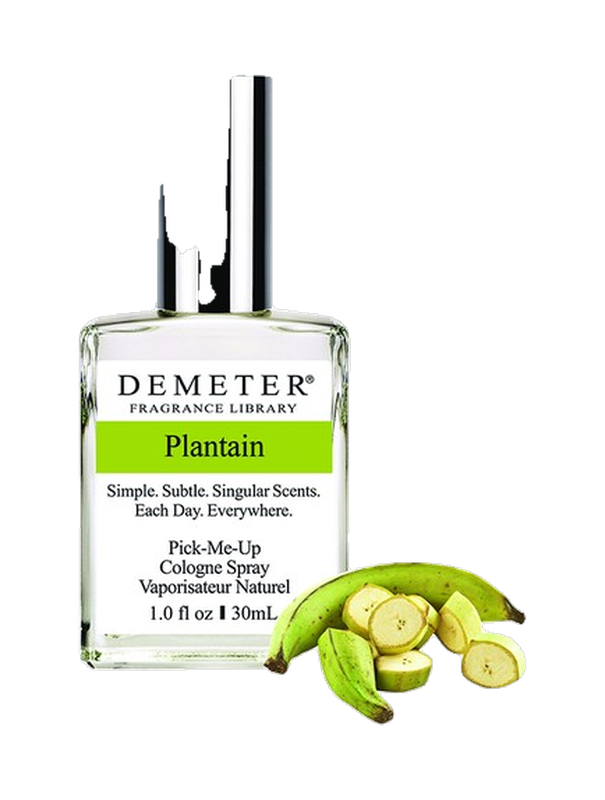
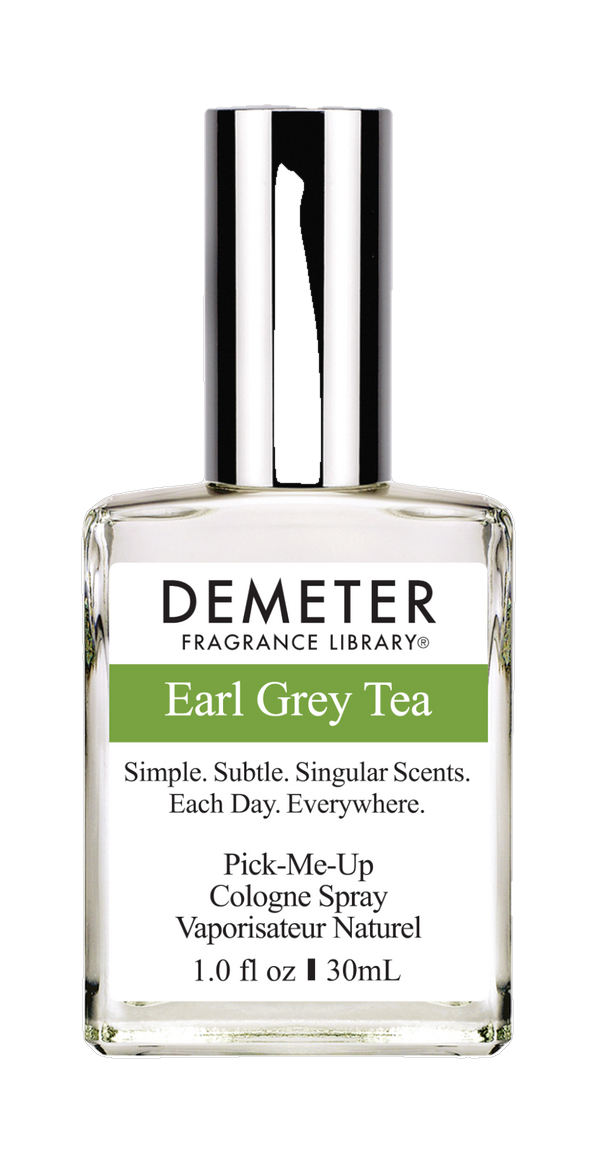
Demeter's visual identity mirrors its olfactory philosophy: straightforward, democratic, and intentionally unpretentious. The bottles are simple cylinders of clear glass, topped with basic spray nozzles or rollerball applicators. Labels feature clean typography against white backgrounds, with the fragrance name displayed prominently. There are no gold collars, no crystal stoppers, no embossed logos demanding attention. The packaging says: spend your money on what's inside. This utilitarian approach extends across the product line. Cologne bottles range from travel-friendly one-ounce sizes to larger four-ounce splashes. The roll-on oils come in slim glass vials perfect for pockets or purses. Room sprays and body products share the same clean labeling system, creating a cohesive brand experience. Even the website and retail displays maintain this unfussy aesthetic. Products are organized alphabetically or by category, with clear descriptions that tell you exactly what to expect. 'Wet Garden: The fresh, green scent of a garden after rain.' The aesthetic rejection of luxury signifiers is deliberate and strategic. By refusing to play the traditional perfume marketing game (no celebrity endorsements, no elaborate gift boxes, no aspirational lifestyle photography), Demeter carves out its own territory. The brand trusts its customers to understand that value lies in the scent itself, not in the container that holds it. This confidence is refreshing in an industry built on illusion and aspiration. Demeter offers something more honest: the smell of snow, presented plainly, for anyone who wants to wear winter on their skin in the middle of July.
Philosophy
Demeter operates on a philosophy so simple it seems radical: perfume should smell like something real. While traditional fragrance houses construct elaborate olfactory narratives through complex pyramids of top, heart, and base notes, Demeter strips away the artifice. Each scent focuses on a single, recognizable aroma captured with photographic accuracy. This approach democratizes perfumery entirely. You do not need training to understand Dirt. You do not need a refined nose to appreciate Tomato. These scents speak a universal language of memory and association. The brand's philosophy extends beyond simplicity into playfulness. Demeter fragrances are designed to be layered, mixed, and experimented with. Wear Thunderstorm on Monday, transition to Sunshine on Tuesday, layer Wet Garden over both on Wednesday. The low price point (most scents retail between twenty and forty dollars) removes the preciousness that paralyzes so many perfume collectors. You can own ten Demeter fragrances for the price of one designer eau de parfum. This accessibility is intentional and political. Fragrance, in Demeter's worldview, belongs to everyone. It is not a luxury reserved for special occasions. It is a daily pleasure, a mood enhancer, a personal signature that can change as often as your outfit or your mindset.
Key Milestones
1993
Christopher Brosius and Christopher Gable found Demeter Fragrance Library in New York City, beginning with the radical idea of bottling everyday scents
1996
Launch of first three fragrances (Dirt, Grass, and Tomato) at Henri Bendel department store in New York, marking the commercial debut of single-note lifestyle scents
2002
Brosius and Gable sell Demeter to Freedom Marketing Group; Mark Crames becomes manager, later CEO, bringing business stability while preserving the brand's creative spirit
2004
Christopher Brosius departs to found CB I Hate Perfume, taking his avant-garde approach to Brooklyn while Demeter continues under new ownership
2007
Introduction of the Jelly Belly Collection, translating iconic jelly bean flavors into wearable fragrances, plus launches of Crayon, Pure Soap, and Egg Nog
2015
Demeter enters the UK market as The Library of Fragrance (due to trademark conflicts), simultaneously launching Mountain Air scent representing Alaskan wilderness atmosphere
At a Glance
Brand profile snapshot
Origin
United States
Founded
1993
Heritage
33
Years active
Collection
2
Fragrances released
Avg Rating
3.5
Community sentiment