



The Heritage
The Story of Bath & Body Works
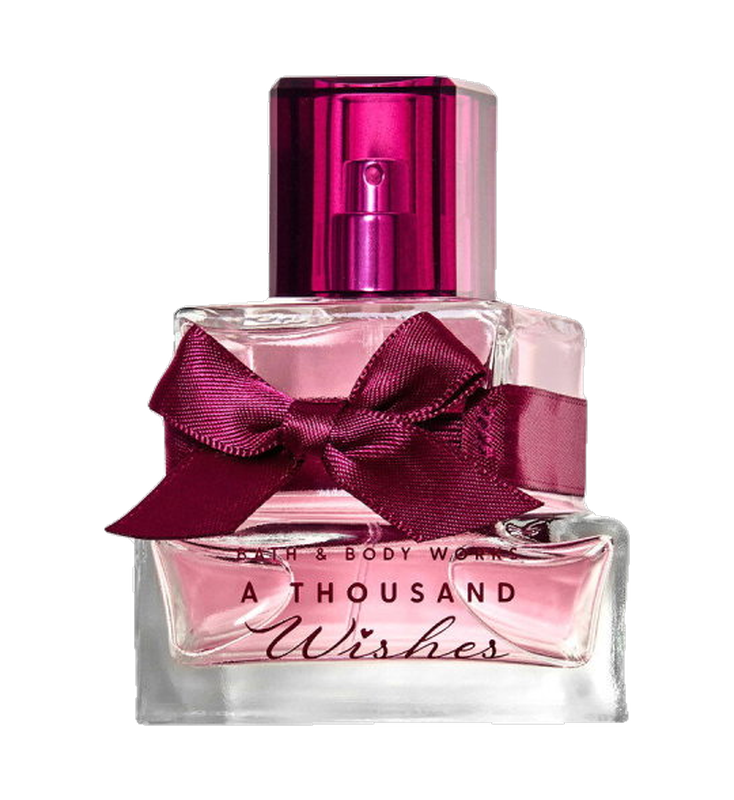
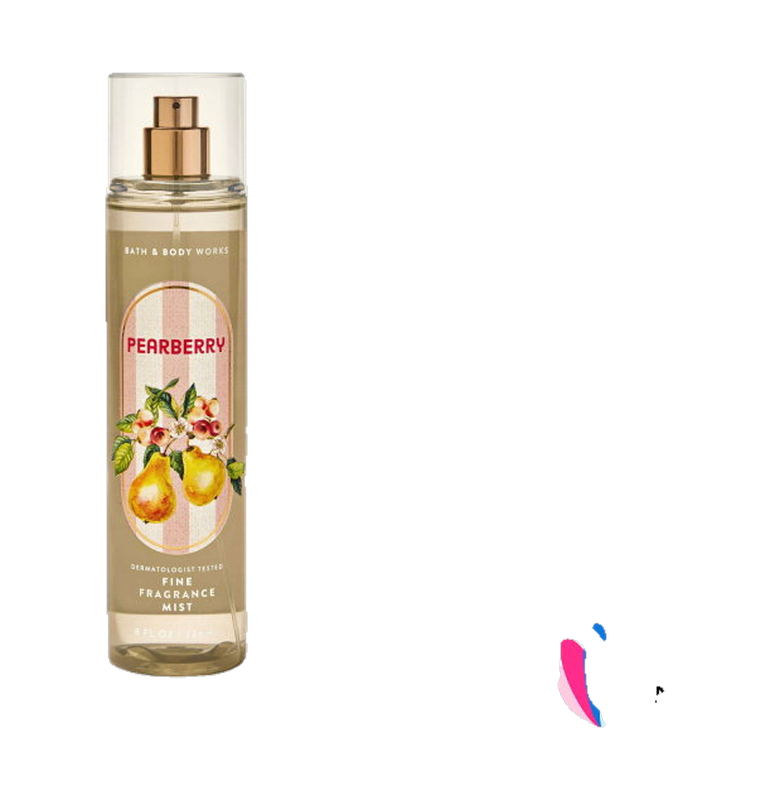
Bath & Body Works is a mass-premium fragrance and personal care retailer that has redefined how Americans experience scent. Headquartered in Columbus, Ohio, the brand operates more than 1,800 company-owned locations across the U.S. and Canada, with over 425 international franchised stores spanning 67 countries. It holds the distinction of being home to America’s Favorite Fragrances®, a claim backed by its dominance in fine fragrance mists, body lotions, body creams, and 3-wick candles. The business model centers on private-label development, delivering on-trend luxury at accessible price points through discovery-driven merchandising. By FY2023, the company reported approximately $7.4 billion in net sales with an operating margin near 15%, supported by a loyalty base exceeding 40 million members. Bath & Body Works believes in making fragrance an everyday ritual, positioning itself as both an affordable indulgence and a legitimate player in the scent space.
Heritage
Bath & Body Works was born on September 13, 1990, within The Limited, Inc., a retail conglomerate based in New Albany, Ohio. The founding team, drawn from The Limited’s merchant and executive ranks, identified a gap between drugstore basics and department-store cosmetics. Their solution was a private-label bath and body concept sold in tactile, discovery-focused mall stores. The first location opened in a Cambridge, Massachusetts shopping center that same autumn. Within its first year, the brand faced a trademark challenge from The Body Shop, resulting in a 1991 rebranding effort. To shape the brand’s identity, leadership created a mascot named Kate, and the store layout was designed to evoke her country house, giving early locations a cohesive, inviting aesthetic that set them apart from competitors. The 1990s mall boom played directly into the brand’s strengths, as trial purchases and gift occasions drove frequent customer visits. By 1995, hundreds of mall locations had opened, and by 1997, Bath & Body Works had become the largest bath shop chain in the United States. That same year, it launched Bath & Body Works at Home, extending the brand into home fragrance. In 1999, the company added the White Barn Candle Company as a division specializing in scented candles, a category that would later become one of its most iconic offerings. The early 2000s brought the 3-Wick Candle to prominence, along with enduring seasonal collections like Japanese Cherry Blossom. By 2006, net sales had reached $2.3 billion, and the company launched its first television commercial alongside a website and seasonal catalog. International expansion began in 2008 with Canadian stores, followed by the Middle East in 2010 through a franchise agreement with M.H. Alshaya Co. Today, Bath & Body Works stands as a global leader, having evolved from a single mall store into a scent-driven empire that has shaped the way consumers think about affordable luxury.
Craftsmanship
Bath & Body Works functions as a private-label retailer, meaning it develops and formulates its own products rather than distributing established perfume houses. This model gives the company direct control over ingredient selection, formulation, and cost, enabling it to respond quickly to trending notes and seasonal moods. Fragrance collections are designed to encourage layering, with body mists, lotions, and creams intended to be combined for a more intense, personalized scent experience. The brand’s signature mists became bestsellers by offering the tactile pleasure of fine fragrance at a fraction of the price. Product categories span fine fragrance mists, body lotion, body cream, 3-wick candles, home fragrance diffusers, and liquid hand soap. The company describes its formulations as “expertly crafted for exceptional performance and a luxury fragrance experience,” with ingredients chosen thoughtfully. Seasonal releases follow a predictable rhythm tied to retail calendars, with spring, summer, fall, and holiday collections driving repeat visits from collectors. The supply chain is predominantly U.S.-based, which the company credits with enabling agility and consistent quality. While Bath & Body Works does not prominently name individual perfumers in its consumer communications, the breadth and longevity of its catalog suggest structured internal development. The brand also maintains product safety and quality standards documented on its corporate website, reflecting a formalized approach to formulation integrity.
Design Language
The Bath & Body Works retail aesthetic has evolved from its Kate-the-mascot origins into a clean, luminous identity centered on white store fixtures, warm lighting, and open, touchable displays. Early stores were designed to feel like Kate’s country house, a charming concept that gave the brand warmth and personality during its formative years. The modern visual identity is more polished but retains that sense of welcome. Product displays encourage try-before-you-buy interaction, with testers readily accessible and seasonal collections arranged to invite discovery. The signature brand color palette features soft pastels, crisp whites, and seasonal accent colors that rotate with each collection. Packaging across the product range maintains a cohesive minimalism, with clean typography and simple bottle silhouettes that feel contemporary without feeling cold. Seasonal limited-edition packaging drives collectibility, a strategy that has turned routine purchases into hobbyist behavior among loyal customers. The brand’s logo and retail environments communicate approachability and brightness, positioning Bath & Body Works as a place where luxury is within reach. Online, the brand extends this aesthetic through a digital storefront that mirrors the in-store experience, emphasizing visual clarity and easy navigation.
Philosophy
Bath & Body Works operates from a straightforward belief: fragrance should be joyful, accessible, and woven into everyday life. The company describes its mission as helping the world live more fully through the power of scent, whether that means sparking a fond memory or simply providing a moment of comfort during an ordinary day. The brand rejects the notion that exceptional fragrance is reserved for special occasions or luxury price points. Instead, it positions scent as a daily ritual, an affordable form of self-care that encourages people to celebrate the routine rather than save fragrance for something grand. This democratization of scent is central to the Bath & Body Works philosophy. The company also emphasizes community and planet alongside commerce. Its corporate site outlines commitments to sustainability, responsible sourcing, and community engagement, framed not as marketing language but as ongoing obligations. The culture is described as welcoming and inclusive, with a focus on delivering exceptional experiences to customers. For Bath & Body Works, fragrance is not merely a product category. It is the vehicle through which the company fulfills a broader purpose, one that connects personal wellbeing to a sense of belonging and shared joy.
Key Milestones
1990
Bath & Body Works launches as the beauty line for The Limited, Inc. First store opens in Cambridge, Massachusetts mall in September. The Limited’s existing infrastructure supports rapid merchandising and real-estate expansion.
1991
The Body Shop files a trademark challenge against Bath & Body Works, prompting a 1991 rebranding effort that refines the brand’s identity and positioning.
1997
Bath & Body Works becomes the largest bath shop chain in the United States. The company also launches Bath & Body Works at Home, expanding into home fragrance.
1999
The White Barn Candle Company is founded as a division focused on scented candles, a category that would grow into one of the brand’s most recognizable offerings.
2006
Net sales reach $2.3 billion. Bath & Body Works launches its first television commercial, seasonal catalog, and e-commerce website, marking a shift toward omnichannel retail.
2010
First international stores open outside North America in Kuwait via franchise partner M.H. Alshaya Co., beginning the brand’s global expansion across the Middle East and beyond.
At a Glance
Brand profile snapshot
Origin
United States
Founded
1990
Heritage
36
Years active
Collection
2
Fragrances released
Avg Rating
3.5
Community sentiment