The Story
Why it exists.
The beginning
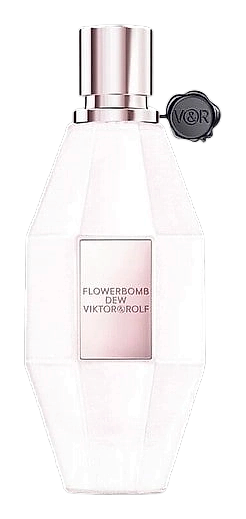
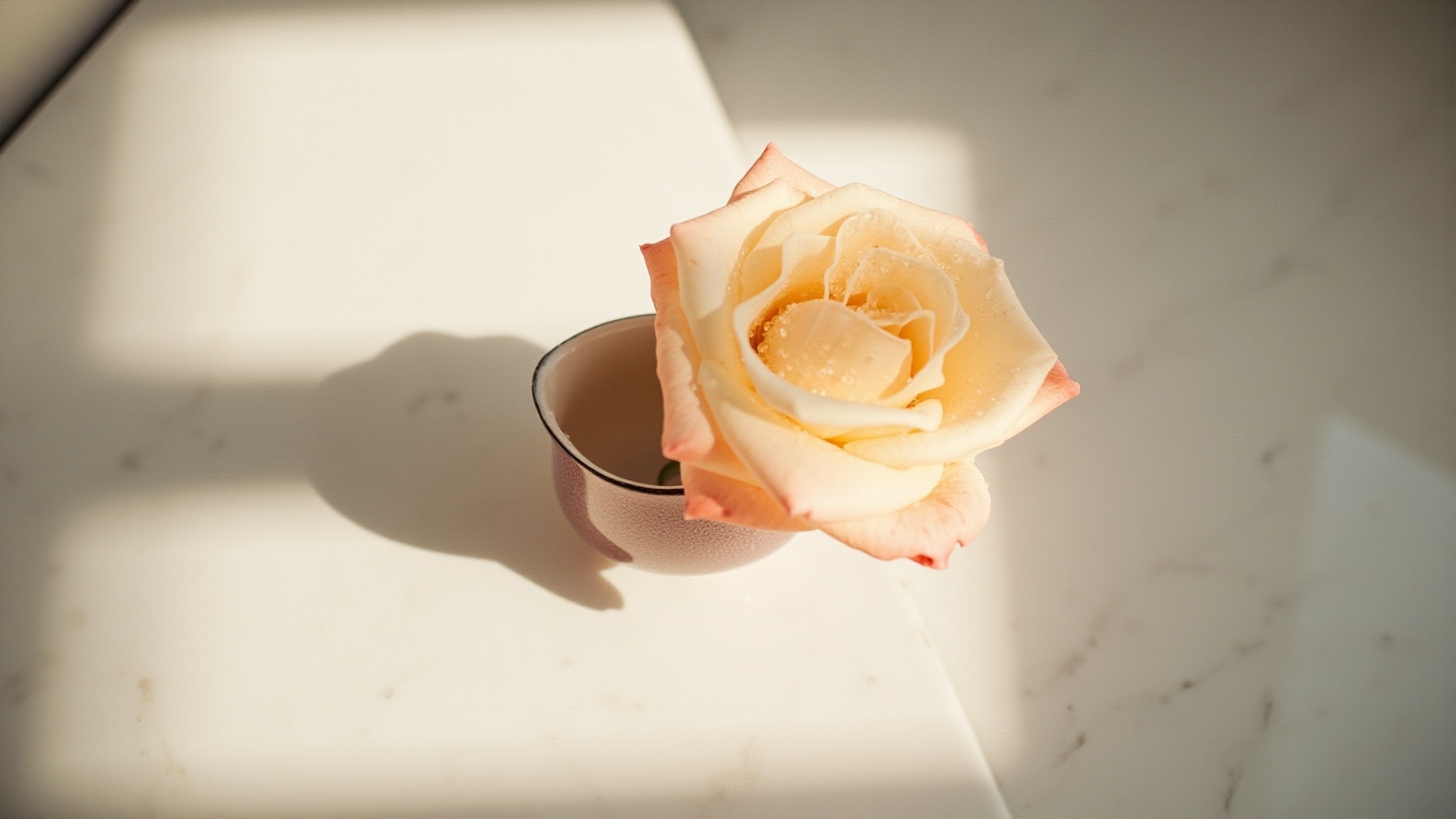
The Dewy Rose Accord formed the creative foundation for Flowerbomb Dew. The brief centered on rose paired with morning dew, building toward a floriental musky composition. The house worked with perfumers Carlos Benaïm, Dominique Ropion, and Domitille Michalon-Bertier, three noses who've contributed across the brand's fragrance portfolio. Their task was to construct a scent that captured the essence of rose infused with morning moisture, emphasizing transparency and softness over intensity. Launched in 2020, housed in the house's signature pearly white flacon, Flowerbomb Dew offers a distinct interpretation of the Flowerbomb identity, one that emphasizes subtlety and the quiet beauty of dew-kissed petals rather than dramatic floral bursts.
The Dewy Rose Accord serves as the structural foundation that gives the fragrance its distinctive character. Rather than employing a standard rose note, the perfumers developed a rose profile that reads as translucent and subtly aquatic, distinctly different from the dried-petal quality of potpourri or the concentrated intensity of heavy floral absolutes.
The evolution
The opening doesn't arrive so much as it dissolves. Ambrette and musk mallow introduce a clean, fresh sweetness that feels like morning moisture on petals, not synthetic aquatic. Bergamot follows, brief and bright, before the pear note gives the top phase a soft fruitiness that lifts rather than cloys. This initial phase settles over approximately twenty minutes. Then the iris arrives, adding powdery violet softness that replaces the fruit with something more intimate. The rose doesn't announce itself so much as it surfaces underneath, quietly present and translucent in character. By the third hour, the base takes over: white musk and cashmeran build a warmth that reads as skin, not perfume. Heliotrope adds a faint almond sweetness that keeps the drydown from becoming entirely transparent.
Cultural impact
Flowerbomb Dew represents a nuanced addition to the luxury fragrance landscape. The original Flowerbomb became a cultural phenomenon in the 2000s, gaining widespread recognition and remaining a bestseller for nearly two decades. This lighter iteration reflects how heritage brands adapt their portfolios to offer subtler, daily-wear options without sacrificing prestige. Its musks-forward composition aligns with the broader industry appreciation for clean, skin-like scent profiles that feel intimate rather than broadcast. The fragrance maintains the brand's signature elegance while offering a more understated wearing experience.