The Story
Why it exists.
The beginning
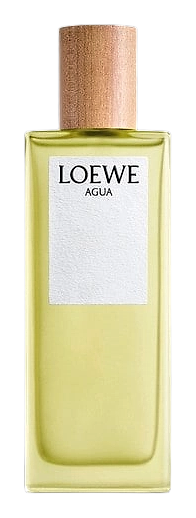
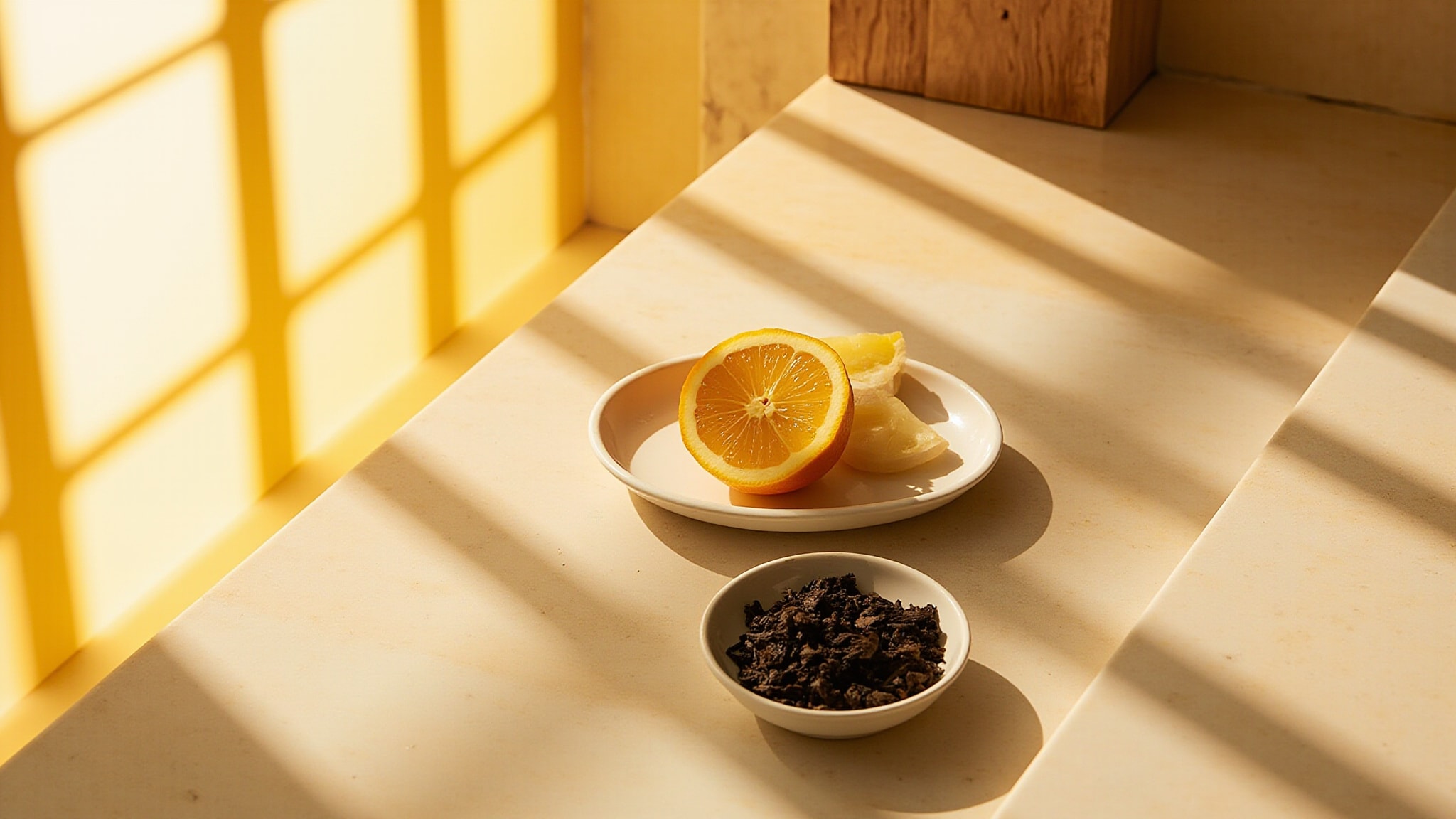
Loewe has made leather goods since 1846 and royal purveyor to the Spanish court since 1905. But the perfumery line, launched in 1972 with L de Loewe, took time to find its voice. By 2000, under the LVMH umbrella, the house wanted something that reflected its Iberian roots without leaning on tradition. Olivier Cresp was given that brief. The goal: a fragrance that captured the light on Spanish water, not aquatic, not marine, but the clarity and brightness of a Mediterranean morning. Bergamot, yuzu, and Ceylon tea became the backbone. Not a declaration fragrance. Something worn, not announced.
Yuzu is the unusual choice here. Where most citrus fragrances reach for lemon or grapefruit, Loewe went East, Japanese yuzu bringing an aromatic, almost floral quality to the top that Calabrian bergamot sharpens rather than sweetens. The citrus doesn't dominate; it opens, then yields. The Ceylon tea heart is where the fragrance earns its name. Not green tea, not black, Ceylon, with its mineral clarity and slight tannic dryness. The white pepper in the heart adds warmth without weight, keeping the composition from reading as purely fresh. It's a fragrance built on restraint, which is harder to achieve than power.
The evolution
The opening hits bright and brief, bergamot, yuzu, a flash of tangerine. Ten minutes in, the citrus recedes and the tea takes over, mineral and almost bitter, like the first steep not the second. The white pepper emerges as the citrus fades, adding a dusty warmth that carries through the heart. By the second hour, the base arrives: Atlas cedar and sandalwood, woody and intimate. The white musk keeps it close to the skin rather than throwing it into a room. By hour four, what remains is a warm wood and musk, late afternoon light through a window. The scent doesn't announce itself. It lingers.
Cultural impact
Agua de Loewe sits within Loewe's broader perfumery evolution, a house that spent decades building its fragrance vocabulary through collections like Botanical Rainbow and Paula's Ibiza before arriving at the more conceptual recent work. This 2000 release belongs to an era when citrus-tea was still relatively fresh territory, predating the wave of tea-fragrances that followed. What distinguishes it from peers is the restraint, no aquatic bomb, no sweetness overload. It reads as considered rather than commercial.