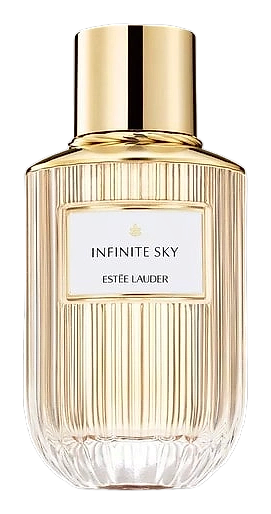

The Story
Why it exists.
The beginning
Dominique Ropion built Infinite Sky around a feeling rather than a concept. His brief, in his own words: the moment daylight gives way to dusk, when senses sharpen and everything feels more alive. The name came first, Infinite Sky, and the composition followed. Pepper for the electricity of that threshold. Vanilla for the warmth that follows. Leatherwood to ground it, to make it skin rather than air. Ropion has spent decades building fragrances that work on skin, not in bottles. This one captures the specific quality of a sky that keeps going, with no edge in sight.
Sichuan pepper and Madagascar vanilla is a familiar conversation in perfumery, Ropion knows it well from his other work. What changes here is the leatherwood. Not sandalwood, not cedar. Leatherwood is native to Tasmania, resinous and honeyed, with a smoky undertone that reads almost like embers. It's unusual in mainstream fragrance, and it gives this composition a wintry quality that distinguishes it from the sweeter vanillas in the Estée Lauder lineup. The combination of cool, tingly pepper and warm, sticky vanilla creates a tension that the leatherwood resolves, not by winning, but by holding them both.
The evolution
The Sichuan pepper hits first, immediate and electric. Thirty seconds in, your skin is tingling. The citrus and herbal undertones in the top layer keep it from being one-dimensional during those opening minutes, but make no mistake, the pepper is running the show. Within the first hour, the vanilla takes over. Not slowly. It swells, warm and resinous, the sticky sweetness of a vanilla absolute rather than a synthetic substitute. This is the fragrance people fall in love with. The part they'll defend in reviews. The leatherwood arrives quietly, somewhere around hour three, but it changes everything, smoke and honey and something almost animal, settling close to the skin. The sillage drops. The projection becomes intimate. This is when Infinite Sky becomes yours alone. By hour eight, on skin, there's still a trace, vanilla and leatherwood, warm and close, the ghost of what was a full conversation.
Cultural impact
Infinite Sky arrived at a moment when the fragrance market was saturated with gender-neutral florals and clean-musk profiles. Estée Lauder took a contrary position, commissioning Dominique Ropion to build a fragrance that refused to apologize for its warmth. The Sichuan pepper inclusion was deliberate, not novelty, it referenced the ingredient's growing presence in Western fine dining, where chefs had spent the previous decade establishing it as the defining note of modern Sichuan cuisine. The fragrance landed as a statement about restraint and intensity working in tandem. Ropion's three-note pyramid became a talking point among enthusiasts who had grown accustomed to six-to-eight note constructions.