The Story
Why it exists.
The beginning
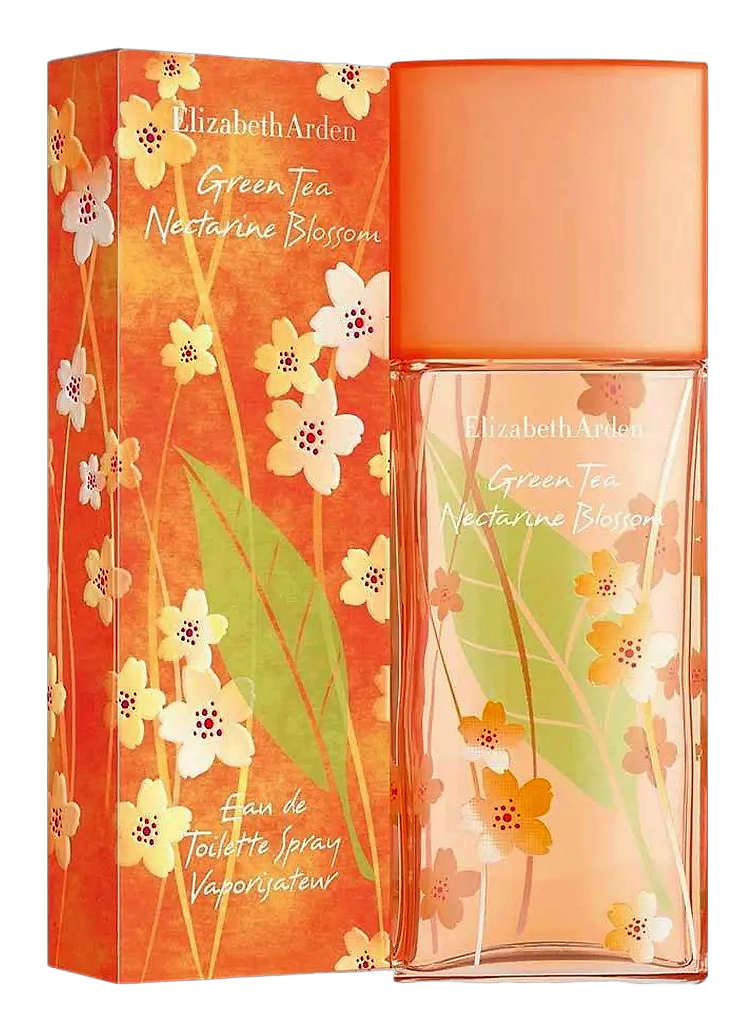
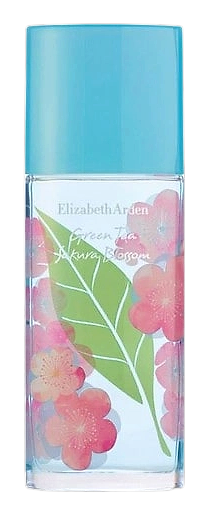
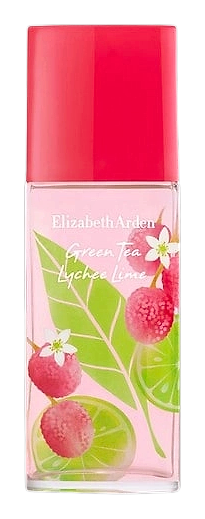
The Green Tea collection has been Elizabeth Arden's quiet workhorse for years, a fresh, spa-like profile that doesn't demand attention. Green Tea Lychee Lime arrives in 2022, designed by Rodrigo Flores-Roux, to bring that accessibility into something more contemporary. The brief wasn't reinvent the wheel. It was to take a familiar idea and make it feel like a second cup, same comfort, different mood. Lychee and lime weren't chosen randomly. They were chosen because they smell like the kind of morning that doesn't need an alarm.
What's interesting here is how the base keeps its promises. Green tea and black tea together create a drydown that actually smells like tea, not a tea accord doing impressions of something else. Lychee appears twice in the pyramid, which means it opens the fragrance and lingers quietly in the base, threading sweetness through the whole composition without ever becoming saccharine. It's a structural choice, not just a marketing one. The result is a fragrance that reads coherent from first spray to final fade, where most flankers feel like a collection of ingredients rather than a conversation.
The evolution
The opening is all brightness, lychee and key lime hitting together like something effervescent. The bergamot adds a brief stillness before the florals arrive. Water lily and magnolia move in around minute five, softening what came before without killing the spark. It's the difference between someone entering a room and someone settling into it. By the second hour, green tea takes over, not the sharp green of cut stems, but the smooth, slightly bitter warmth of a cup held between both hands. The lychee liqueur in the base adds a ghost of sweetness that keeps the tea from feeling austere. On most skin, expect 4-6 hours. On dry skin, it becomes intimate sooner, close projection, not a room-filler. The next morning, there's almost nothing left. A faint warmth at the wrist, maybe. That's it.
Cultural impact
Green Tea Lychee Lime arrived during the early 2010s wave of approachable fresh fragrances that prioritized lightness over projection. Elizabeth Arden leveraged their mass-market reach to introduce lychee, a fruit previously reserved for niche luxury scents, to a broader audience. The perfume occupied a unique position: neither a pure classical chypre nor a minimalist designer fragrance, but something caught between department store accessibility and artisanal aspirations. Its moderate longevity meant it functioned as a personal scent rather than a room-filler, appealing to those who wanted fragrance as an intimate accessory rather than a statement. This approachable positioning helped normalize tropical-fresh compositions in everyday perfume wardrobes.