
The Story
Why it exists.
The beginning
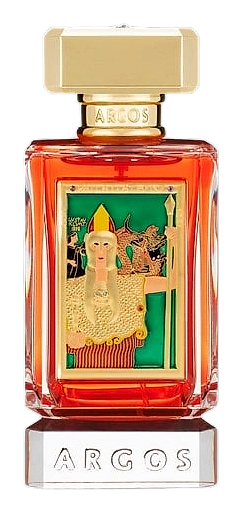
Pallas Athene takes its name from the Greek goddess of wisdom, strength, and the arts, and from Gustav Klimt's founding painting for the Wiener Sezession, which depicts her bearing truth in one hand and the head of Medusa on her aegis. The painting captures something essential about the deity she represents: intellect paired with power, beauty fused with something that could protect or transform. That duality runs through the fragrance itself, a composition that doesn't soften itself for approval. Beauty that doesn't apologize for its own power lives in every layer, from the first impression through the hours that follow.
The note structure does something interesting here. The top accord stays bright and modern, citrus and berries keep things approachable, even playful. But underneath, the heart carries genuine weight. Peony and rose aren't delicate in this composition; they're layered thick enough to feel substantial. The powdery iris in the base is what pulls it all together, turning what could have been just another floral into something with structure. It's the architectural skeleton underneath the silk dress.
The evolution
The opening hits immediately, bergamot, red berries, a sharp kiss of pink pepper. That citrus burst is brief but confident, lasting maybe twenty minutes before the florals begin their takeover. By the second hour, peony and rose have fully arrived. They're joined by violet, and together the three create a heart that smells expensive in the way good skincare products smell expensive, not loud, but undeniably present. The drydown is where Pallas Athene earns its mythology. Iris and vanilla settle into something powdery and warm, the kind of scent that stays close to the skin for hours after application. Mysore sandalwood and vetiver give it just enough earth to keep the sweetness from floating away entirely. The quiet, intimate presence lingers long after the first spray fades.
Cultural impact
Pallas Athene occupies a specific corner of the niche fragrance world: the intersection of art history and scent. The direct reference to Klimt's 1900 painting for the Wiener Sezession gives it a cultural register that most fragrances lack. It's the kind of scent that attracts people who already know the story before they smell it, and rewards those who discover it through the fragrance itself.