Lantana
Lantana brings wild, untamed fragrance to perfume: a tropical plant with vibrant flowers and a scent that pulses with green, camphorated energy. Extracts from its leaves and blooms add unexpected depth to fragrance compositions.
Character
How it smells
Wild tropical energy captured in scent.
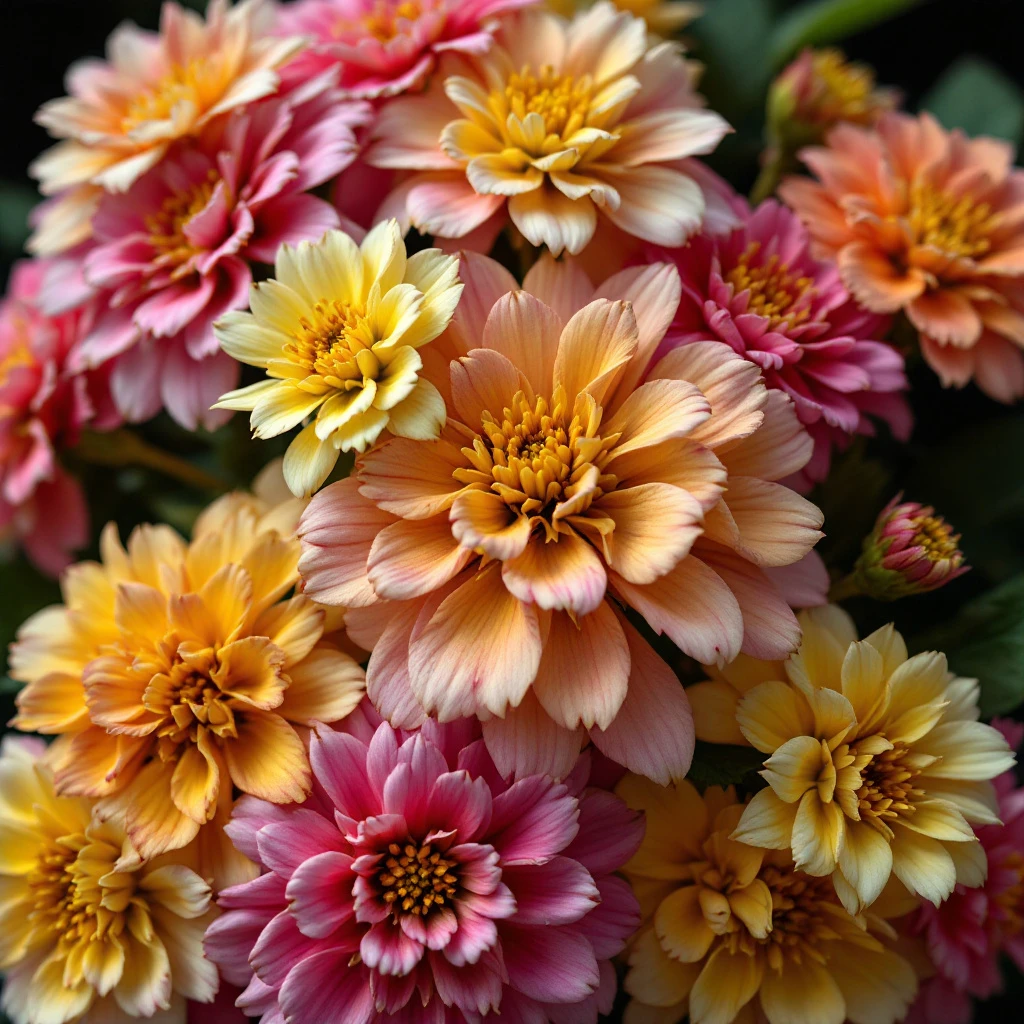
Lantana started as an ornamental garden plant before perfumers discovered its intensely aromatic leaves and flowers, now prized for their complex green-camphor character.
Pairs beautifully with

Origin
Brazil
Lantana originated in the tropical Americas, with Lantana camara native to the Caribbean and Central and South America. Spanish and Portuguese explorers spread the plant globally during the colonial era as an ornamental garden species, prized for its colorful flower clusters. The plant escaped cultivation in tropical regions worldwide, becoming naturalized across Africa, Asia, and the Pacific.
Traditional medicine systems in Central America and the Caribbean used lantana for its aromatic and therapeutic properties long before perfumers adopted it. Modern fragrance houses began incorporating lantana extracts in the late 20th century as interest in unusual botanical aromatics expanded, discovering its distinctive green, almost medicinal character added distinguishng complexity to herbaceous and tropical fragrance compositions.
Wears it best
Fragrances featuring Lantana
Good to know
Questions, answered
The essentials on Lantana in perfumery: how it smells, where it comes from, and how it behaves on skin.
What does lantana smell like in perfume?
Lantana delivers a sharp, green, herbaceous scent with camphorated and slightly bitter undertones. The fragrance evokes fresh tropical foliage with an intensely aromatic, almost medicinal quality that adds backbone to fragrance compositions.
Is lantana safe to use in perfumery and cosmetics?
Cautions apply. While research identifies antioxidant properties, lantana contains compounds that can irritate sensitive skin and cause photosensitivity. Industry guidelines restrict concentration levels, particularly in leave-on cosmetic products.
Where does commercial lantana oil originate?
Brazil leads production of lantana extracts for perfumery. The plant thrives across tropical Latin America, where harvests supply the fragrance industry with fresh plant material for distillation.
Which fragrance families incorporate lantana?
Lantana appears in green, aromatic, and tropical fragrance families. Perfumers use the extract to reinforce herbal and fougere accords, add depth to tropical compositions, and introduce unexpected wildness to masculine and unisex scents.
What makes lantana an unusual perfume ingredient?
Lantana began its perfume career as an accidental discovery rather than a traditional material. Originally a garden ornamental, the plant's intensely aromatic leaves and flowers proved too distinctive to ignore once perfumers began exploring unconventional botanicals.
Does lantana appear on fragrance ingredient lists?
Yes, but under various names. Lantana oil, lantana absolute, and Lantana camara leaf oil appear on ingredient labels. The INCI name Lantana camara flower/leaf oil identifies the material most reliably.
Is lantana harvesting sustainable for perfumery?
The plant's invasive status in tropical regions means material is widely available without pressure on native populations. Harvesting actually supports removal of an ecologically disruptive species, making lantana extraction potentially beneficial to tropical ecosystems.