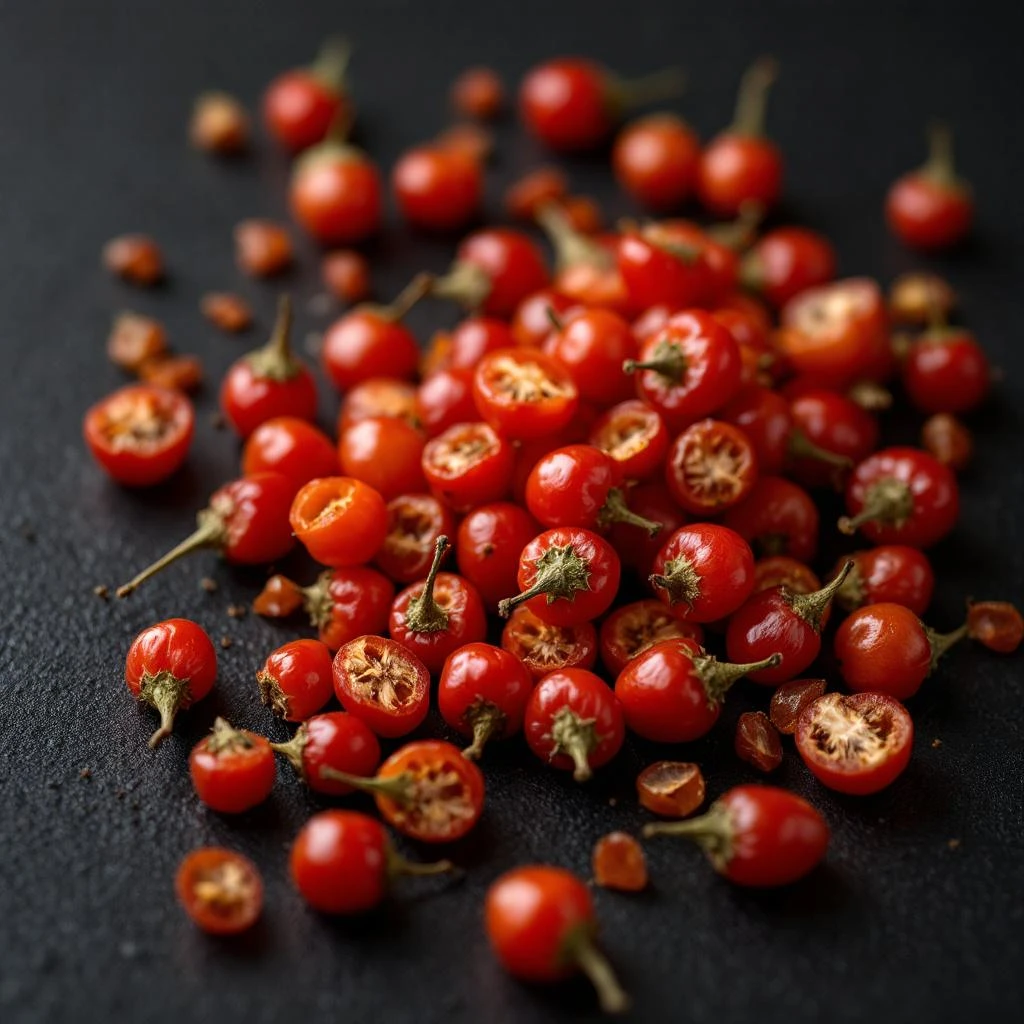

    Ingredient Profile

    Indian pink pepper fragrance note

    Indian pink pepper bursts with bright citrus, rosy spice and a whisper of pine, delivering a crisp, uplifting spark that brightens both fres…More

    India

    1

    Fragrances

    Fragrances featuring Indian pink pepper

    Character

    The Story of Indian pink pepper

    Indian pink pepper bursts with bright citrus, rosy spice and a whisper of pine, delivering a crisp, uplifting spark that brightens both fresh and woody compositions.

    Heritage

    Indigenous peoples of the Andes first recognized pink pepper berries as a culinary spice, noting their aromatic punch and mild heat. Spanish explorers introduced the fruit to Europe in the 1600s, where it appeared in herbal compendia as a decorative garnish. By the late 1800s, traders carried the berries to the Indian subcontinent, where colonial plantations cultivated the tree for export. Indian perfumers began experimenting with the oil in the early 20th century, using it to add a fresh sparkle to traditional sandalwood bases. The 1990s saw a resurgence of pink pepper in modern perfumery, as fragrance houses sought bright, non‑traditional spice notes. Today, Indian pink pepper oil appears in both niche and mainstream fragrances, valued for its ability to lift and clarify complex blends.

    At a Glance

    Fragrances

    1

    Feature this note

    Origin

    India

    Primary source region

    Ingredient Details

    Extraction

    Steam distillation

    Used Parts

    Dried berries

    Did You Know

    "The pink berries of Schinus molle are not true pepper; they belong to the cashew family and were first used by Peruvian tribes as a seasoning before reaching Indian markets in the 19th century."

    Production

    How Indian pink pepper Is Made

    Farmers harvest pink pepper berries from Schinus molle trees when they turn vivid pink, usually between October and December. Workers hand‑pick the ripe berries, then spread them in thin layers to dry under shade for up to two weeks. Once moisture drops below 12%, distillers feed the dried berries into a stainless‑steel still. Steam distillation extracts a clear, pale oil that captures the berry's bright top notes while preserving subtle pine nuances. Some niche houses apply supercritical CO2 extraction to retain a higher concentration of volatile terpenes. After extraction, technicians filter the oil, test its specific gravity, and store it in amber glass to protect it from light. The final product contains a balanced mix of limonene, pinene and β‑caryophyllene, ready for blending into perfume accords.

    Provenance

    India

    India20.6°N, 79.0°E

    About Indian pink pepper